
Review · JAPAN
Hiroshima: Acupuncture and Japanese unique massage treatment
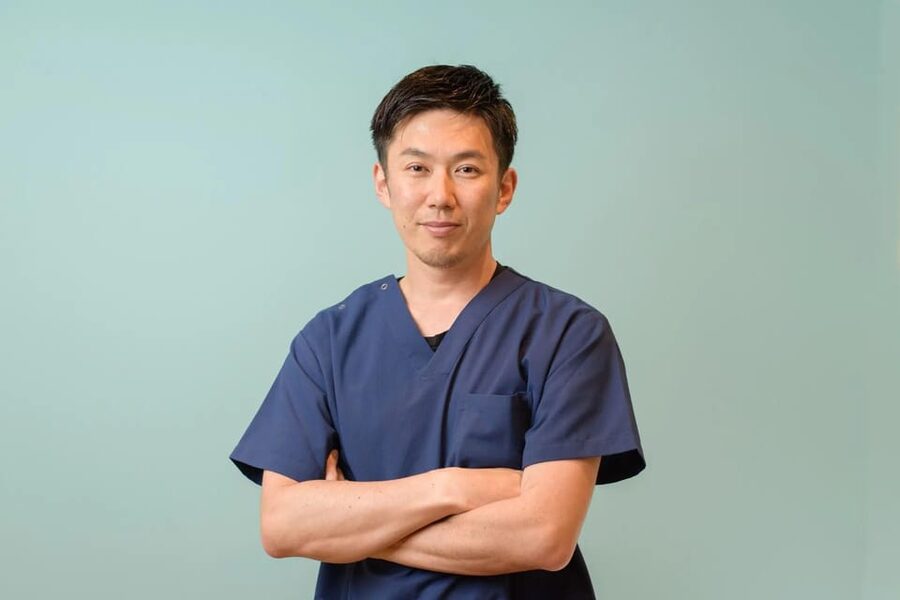
Travel tiredness meets old Japanese care. Near Hiroshima’s Atomic Bomb Dome, this private treatment combines acupuncture, moxibustion, and Japanese-style Seitai, a gentle hands-on therapy related to chiropractic care. I like the quiet one-on-one setting, and I like that treatment begins with a health questionnaire and personal consultation rather than sending you straight onto a table. The main point to consider is language: the instructor is Japanese, and no other language support is listed.
The treatment can suit you after long days on your feet or if your back and neck need attention. Just keep your expectations sensible. This is a traditional wellness treatment, not a sightseeing stop or a guaranteed medical cure, and one recent booking found the massage portion shorter than expected when the time was shared between two people.
Key points at a glance
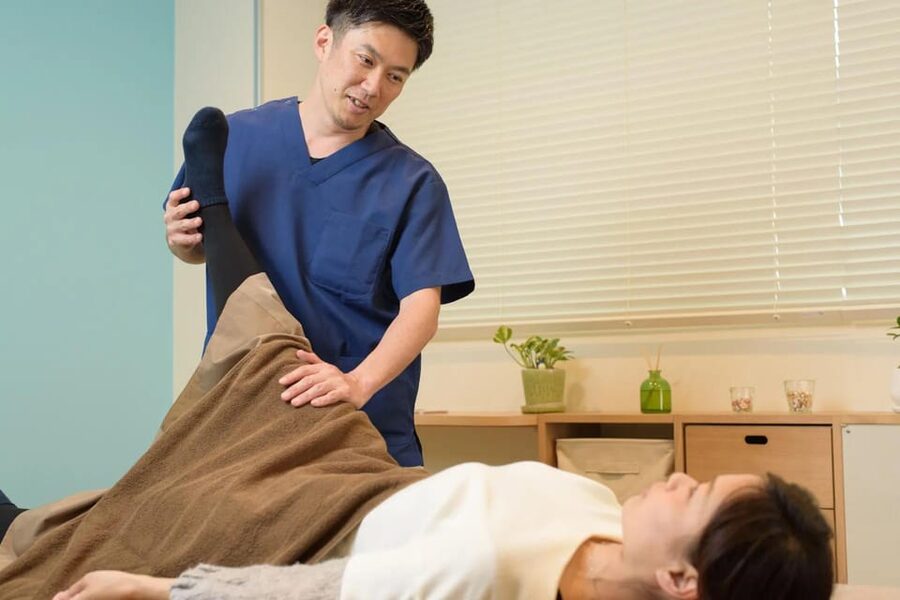
- Private room near the Atomic Bomb Dome: You receive treatment away from other clients, with one-on-one attention from the practitioner.
- Nationally licensed care: Practitioners hold Japanese qualifications in acupuncture, moxibustion, and judo therapy, which is the credential used for the clinic’s hands-on Seitai treatment.
- A consultation comes first: You fill out a medical questionnaire, discuss your concerns, and receive an explanation of the treatment plan before anything begins.
- Acupuncture and gentle Seitai: The session may combine disposable needles, moxibustion, and Japanese-style bodywork intended to address muscles, bones, and nerve function.
- Flexible treatment lengths: The clinic lists 50-minute, 90-minute, and 120-minute options, while the experience booking describes a visit lasting about 90 minutes to two hours.
- Useful after a demanding day: The focus is on tired bodies, chronic discomfort, relaxation, and practical self-care advice after treatment.
A quiet pause near Hiroshima’s most powerful sight
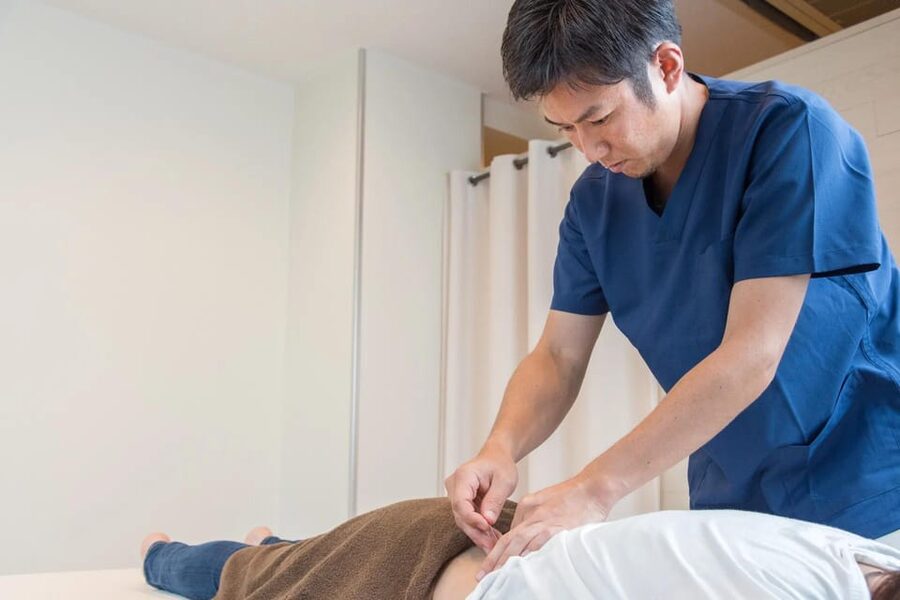
Hiroshima asks a lot of you. A visit to the Atomic Bomb Dome and nearby Peace Memorial sites can be moving and tiring, and the city is easy to explore on foot for hours at a time. This treatment offers a very different kind of activity: you stop, sit down, answer a few health questions, and let a qualified practitioner focus on your body.
I like the location because it fits neatly into a central Hiroshima day. You can pair serious sightseeing with a calm recovery period without committing to a full-day trip outside the city. The exact walking route and meeting details should be checked when you reserve, but the treatment is described as being near the Atomic Bomb Dome.
The private setting matters. You do not have to discuss pain or medical concerns in front of a group, and the clinic uses disposable needles for acupuncture. That gives the visit a more personal feel than a busy spa treatment.
This is not presented as a group class or a cultural demonstration. It is a private appointment with a treatment plan based on your condition. If you want a polished tourist show, this is not it. If you want a quiet appointment with a Japanese practitioner, it may fit well.
A few more spa visits around Japan worth a look
- Tokyo: Japanese Massage – Kangfu Beauty & Body Care Salon
★ 4.4 · 43 reviews - Tokyo Ikebana Wellness Art Experience near Shinjuku
★ 5.0 · 27 reviews - Osaka Temple Head Spa &Matcha Facial – Refresh & Glow〈90min〉
★ 5.0 · 24 reviews
What happens when you arrive
The visit follows a clear six-step process. That structure is useful, especially if acupuncture is new to you or you are unsure what Japanese Seitai involves.
First, you complete a medical questionnaire. The clinic then talks with you about your condition, discomfort, and aims. The information provided does not specify the exact questions, so you should be ready to explain areas such as back or neck pain, general fatigue, or what you hope to get from the appointment.
Next comes a physical condition examination. The practitioner uses this stage to assess your body before explaining the proposed treatment approach. This is a good feature for anyone who dislikes one-size-fits-all massage. You get a chance to say what concerns you, and the practitioner can shape the session around that discussion.
The third step is an explanation of the treatment policy. Ask questions here if you need them. Since the instructor is Japanese and Japanese is the listed language, simple preparation may help. You can write down the main area of discomfort and any important health information before arriving.
Only after those steps does the treatment begin. This order helps create a slower, more thoughtful appointment. You are not rushed onto the table, and you know the basic plan before the needles or hands-on work start.
At the end, the practitioner checks how you feel and gives precautions or self-care advice for daily life. That final conversation is valuable because it turns the visit into more than a short period of relaxation. It also gives you a chance to report any discomfort before leaving.
Acupuncture, moxibustion, and disposable needles
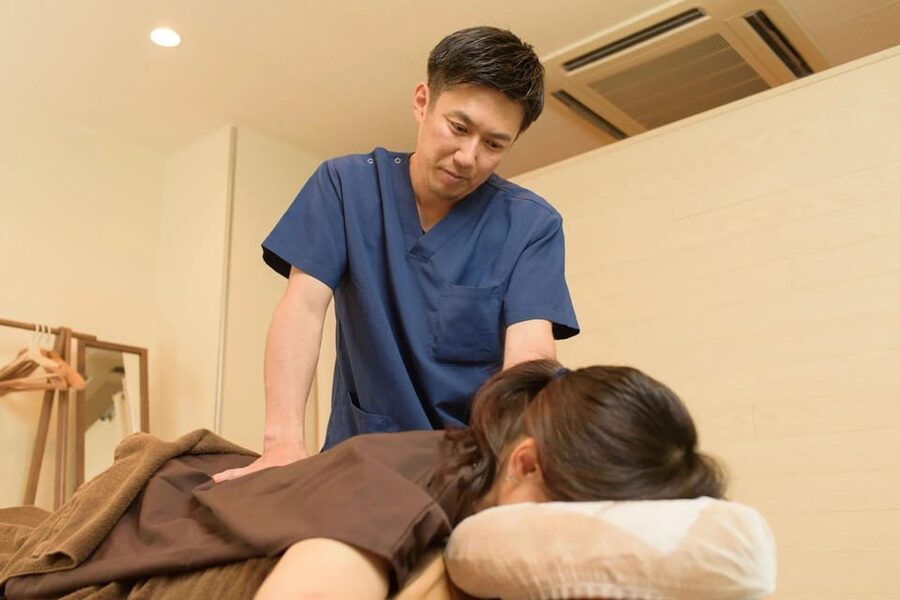
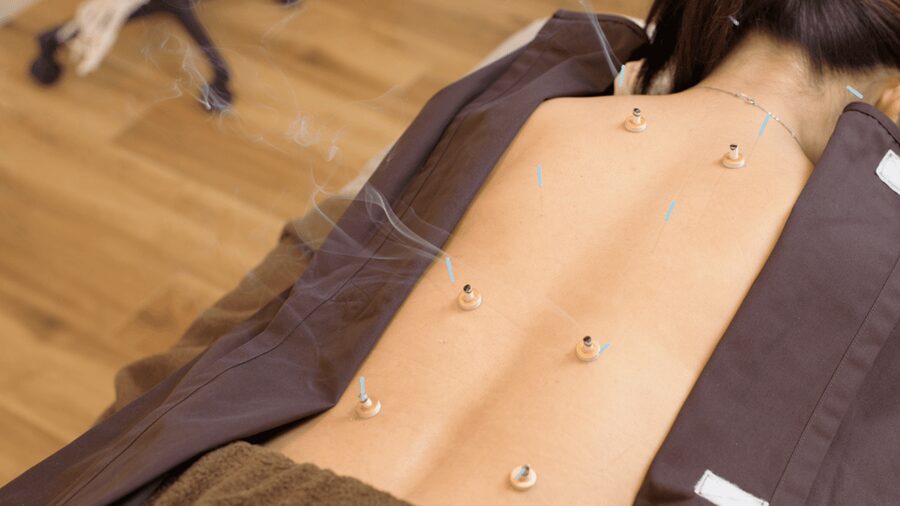
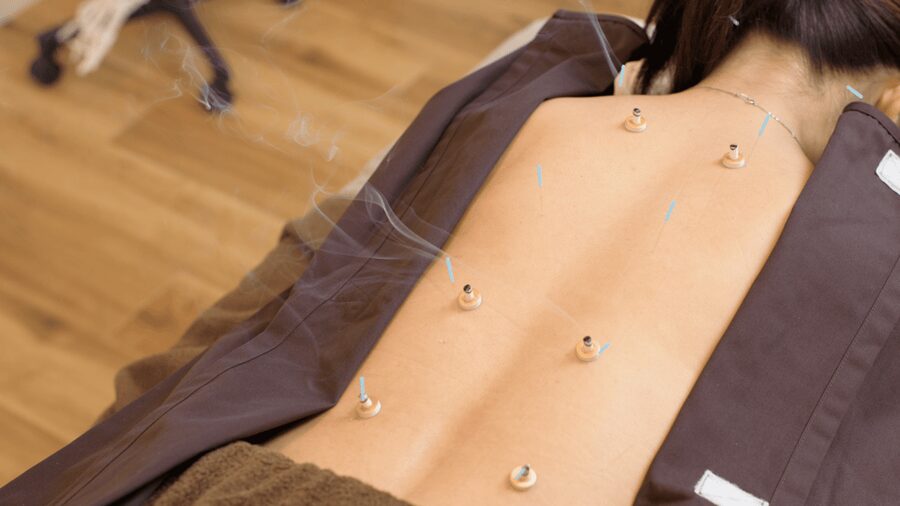
The acupuncture treatment uses needles on points around the body. Moxibustion may also be used, with warmth adjusted to a comfortable level. The clinic describes these techniques as part of traditional Japanese care passed down over many years.
If you have never tried acupuncture, the consultation is especially important. Tell the practitioner that it is your first time and ask for an explanation of each step. The treatment is presented as safe and professionally delivered, but you should still share relevant health concerns before beginning.
The clinic says that most repeat clients choose acupuncture and report satisfaction. That does not promise the same result for you, but it indicates that acupuncture is a central part of the practice rather than an optional extra added to a regular massage.
I would book this part of the experience if you are curious about Japanese acupuncture and want a qualified professional rather than a quick tourist version. I would not book it expecting a guaranteed fix for chronic pain. The sensible goal is to receive careful treatment, learn how your body responds, and follow the practitioner’s advice afterward.
The use of disposable needles is a practical detail worth noting. It addresses a basic hygiene concern and may make first-time visitors feel more comfortable. Still, if needles make you uneasy, you should raise that before the treatment begins.
Gentle Japanese Seitai for tired muscles
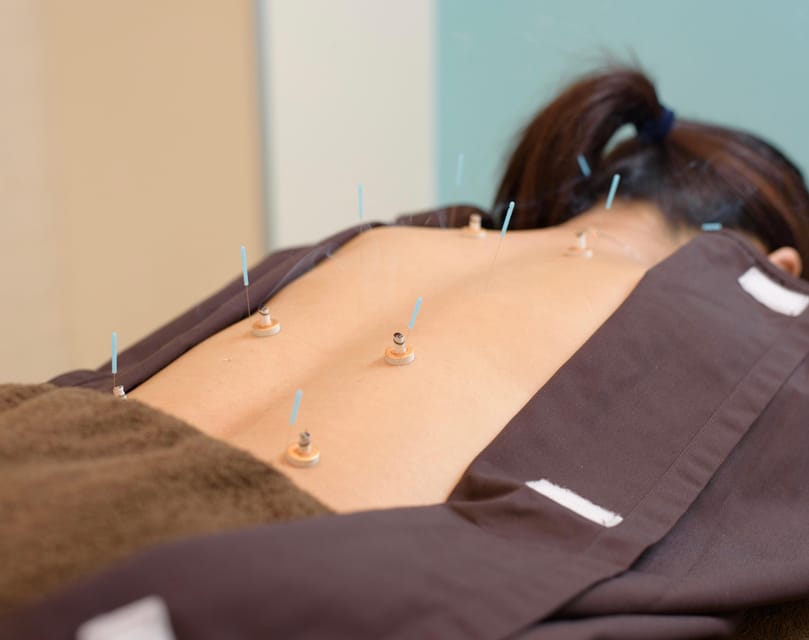
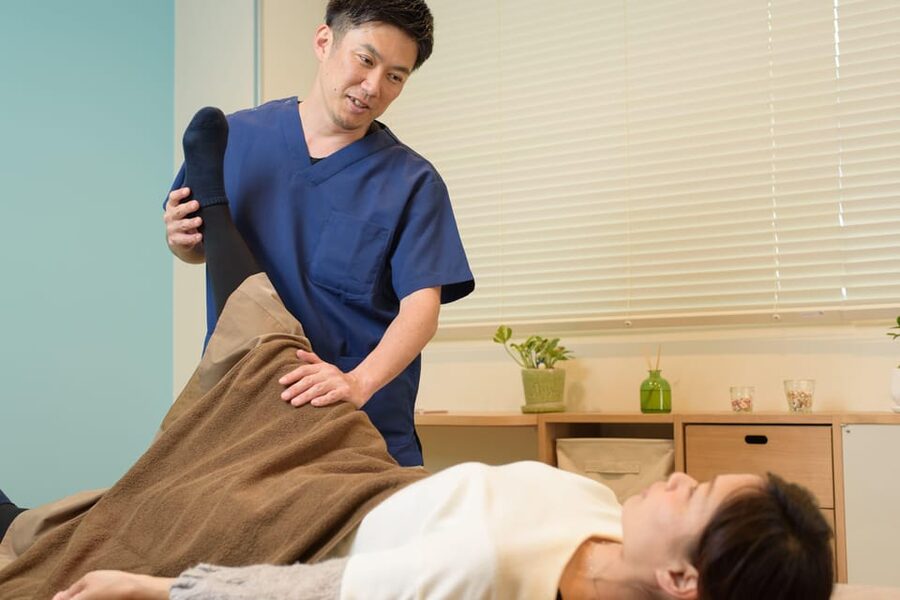
The second main treatment is Japanese-style Seitai. The clinic describes it as nerve chiropractic, with gentle and comfortable movements designed to support normal nerve function and muscle movement.
The wording may sound intense, but the treatment is presented as mild rather than forceful. It is described as suitable for people of different ages and genders, including people with chronic conditions. That does not mean every condition is appropriate for treatment, so you should explain your medical situation during counseling.
The aim is to help your body move and function more normally. The clinic uses language about returning to your best performance, but I would treat that as the clinic’s treatment goal, not a promise. The real value for you may be simpler: a quiet session, careful hands-on work, and a chance to ease the stiffness that comes from sightseeing, flights, trains, or hotel beds.
The treatment can be paired with acupuncture. The exact mix depends on the consultation and the length you choose. A 90-minute appointment gives the practitioner more room than a 50-minute visit, especially if you want both needle treatment and Seitai.
One useful warning comes from the way this service may work for two people booking together. One person can receive acupuncture while another receives a relaxing pressure-drainage treatment using special socks in the waiting area. That arrangement is convenient, but it also means the hands-on massage time may feel shorter than expected. If both people want a full treatment, confirm how the appointment will be divided before booking.
Same place, a different way to unwind:
- Experience Award-Winning Spa Treatments in Downtown Tokyo
★ 5.0 · 21 reviews - Osaka: Tennen Onsen Naniwa-no-Yu, the famous hot spring spa
★ 4.7 · 19 reviews - Osaka Temple :Warm Bamboo Oil Massage – Deep Restore〈60min〉
★ 4.9 · 19 reviews - Osaka Temple :Warm Bamboo Oil Massage – Deep Restore〈90min〉
★ 5.0 · 14 reviews
The private-room advantage
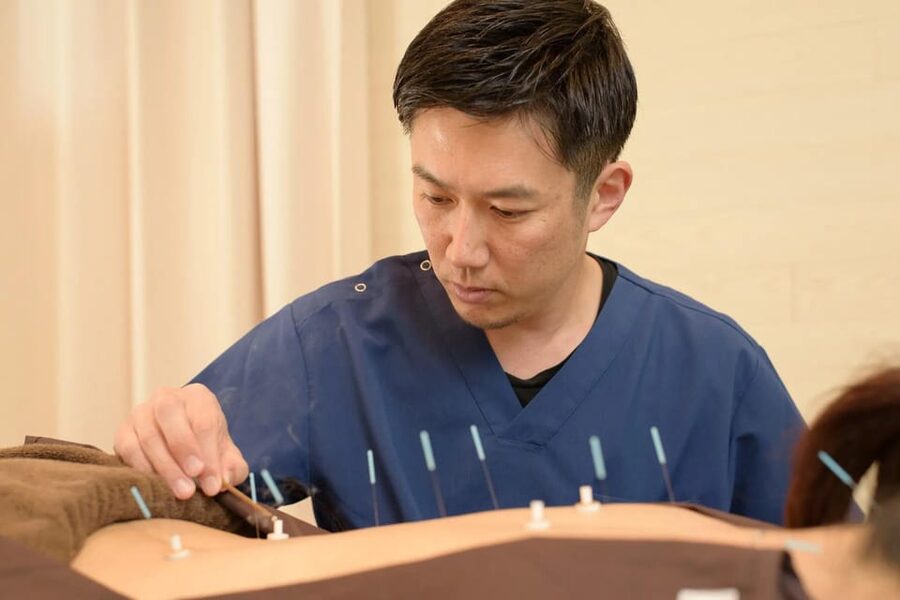
The fully private room is one of the strongest reasons to choose this experience. Acupuncture and bodywork are personal services, and privacy lets you discuss discomfort without an audience.
The clinic promises one-on-one support throughout the process. That includes the initial counseling, the examination, the treatment itself, and the final advice. For a visitor who does not know Japanese clinic customs, this individual attention can make the appointment less intimidating.
A companion does not necessarily have to sit idle. The information provided says accompanying people can receive a machine-assisted leg massage in a dedicated waiting room. This is a useful option if only one person wants acupuncture at a time.
Still, you should ask how the companion arrangement affects the booking. The listed experience is for a private group, but the treatment type and time may differ between people. The clearest plan is to decide before arrival who wants acupuncture, who wants Seitai, and how long each person expects to be treated.
The room itself is described as quiet and private. No spa extras, refreshments, views, or hotel pickup are listed, so do not expect those additions. The appeal here is focused care, not a long list of luxury features.
Choosing between 50, 90, and 120 minutes
The clinic lists three treatment prices:
- 50 minutes: 13,200 yen
- 90 minutes: 17,800 yen
- 120 minutes: 24,800 yen
The experience price is advertised at about $95 per person, and the booking information describes a duration of 90 minutes to two hours. Currency conversions change, so check the live amount before paying. The 90-minute and 120-minute options appear to match the advertised experience most closely.
For value, the 90-minute option looks like the practical middle choice. It gives enough time for the questionnaire, examination, explanation, treatment, and follow-up without turning the appointment into a major part of your day. If you want acupuncture and Seitai in the same visit, extra time should help.
The 50-minute option costs less, but the consultation and closing advice still take part of the appointment. That can leave less time for hands-on treatment. It may work for a focused concern or a shorter rest, but it is less attractive if you want to try several techniques.
The 120-minute option costs more and makes sense if you want a longer, slower session or have several areas to discuss. It is not automatically better. A longer appointment is worthwhile only if the practitioner recommends it or you know that you prefer a longer treatment.
At about $95 per person, I see this as a specialist wellness appointment rather than a budget massage. The value comes from the license, private room, consultation, and Japanese techniques. If you want only a quick shoulder massage, cheaper options may suit you better. If you want professional acupuncture near central Hiroshima, the price is easier to justify.
What the best feedback points to
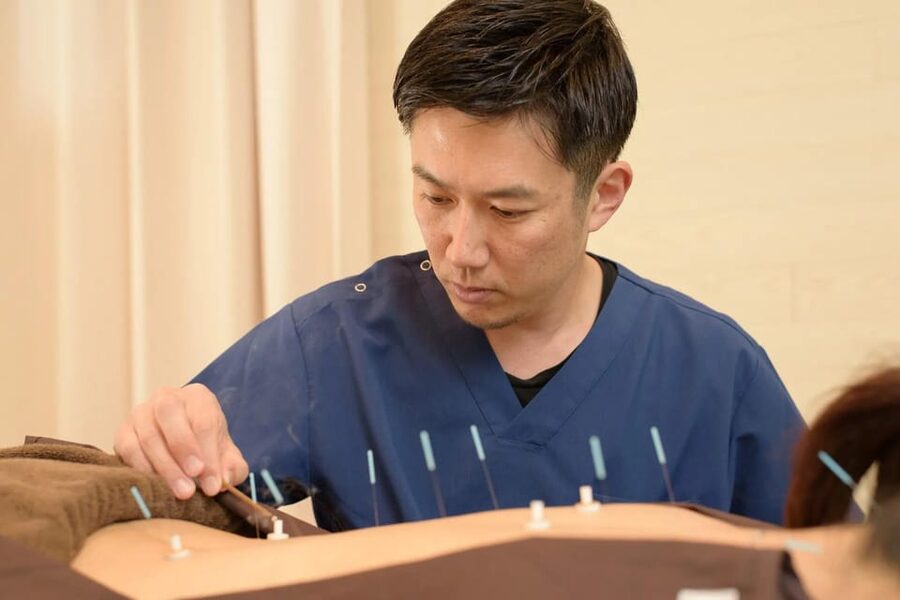
The strongest praise centers on the practitioner’s manner and the calm, clean setting. The treatment is described as friendly, attentive, and professional, with a warm welcome that helps first-time clients relax.
That personal approach starts before the treatment. The questionnaire and individual discussion allow the practitioner to respond to specific wishes instead of applying the same routine to everyone. One booking included acupuncture for one person and pressure drainage with special socks for another, and both treatments were described as comfortable.
Back and neck relief is another clear strength. A first-time acupuncture client specifically found the treatment helpful for those areas. That is useful if your pain comes from carrying bags, long journeys, or hours spent looking down at maps and phones.
The clinic is also described as clean and caring. Cleanliness matters in any needle-based treatment, while gentle communication is important if you are nervous. The practitioner’s attentive manner appears to be a major part of the experience, not just a small extra.
The limitation is equally clear: a treatment that includes several elements may not give each one equal time. If you want a long massage, say so during counseling. The clinic’s focus is broader than massage alone, and acupuncture or Seitai may take priority.
Who should book this treatment
I would recommend it most strongly to:
- People with tired backs, stiff necks, or general travel fatigue
- Visitors curious about Japanese acupuncture and moxibustion
- First-time acupuncture clients who want a private setting
- Couples or friends who want appointments in the same clinic
- Visitors staying near central Hiroshima who want a quiet break between sights
- People who prefer a qualified practitioner and a consultation before treatment
I would be more cautious if you need treatment in a language other than Japanese. Japanese is the only listed language, and no interpreter service is stated. Prepare key health information in writing and confirm communication details before booking.
I would also think twice if your main goal is a long, traditional massage. The service includes Japanese Seitai, but it is not described as a standard spa massage, and one appointment found the massage portion brief. Choose it for the combined treatment approach, not just for massage.
Cancellation is flexible enough for normal sightseeing plans: you can cancel up to 24 hours before the appointment for a full refund. You can also reserve and pay later, which helps if your Hiroshima schedule may change.
Should you book it?
Book this experience if you want professional, private Japanese treatment rather than a tourist performance. The strongest reasons are the nationally licensed practitioners, careful intake process, disposable needles, and calm room near the Atomic Bomb Dome.
Choose the 90-minute option if you want a balanced visit with time for consultation and treatment. Ask in advance how time is divided if two people are booking together, especially if both expect a full massage.
Skip it if you want a cheap, language-supported spa session or a guaranteed medical result. For everyone else, this is a thoughtful way to rest your body after Hiroshima sightseeing while trying traditional Japanese acupuncture and gentle Seitai in a focused setting.
FAQ
Where does the treatment take place?
It takes place near Hiroshima’s Atomic Bomb Dome in the Chugoku Region of Japan.
How long does the experience last?
The experience is described as lasting about 90 minutes to two hours. The clinic also lists separate 50-minute, 90-minute, and 120-minute treatment options.
How much does the treatment cost?
The advertised experience price is $95 per person. The clinic lists 13,200 yen for 50 minutes, 17,800 yen for 90 minutes, and 24,800 yen for 120 minutes.
What treatments are included?
The available treatments include Japanese acupuncture, moxibustion, and Japanese-style Seitai, a traditional hands-on treatment related to chiropractic care.
Are the practitioners qualified?
Yes. The practitioners are nationally qualified as acupuncturists, moxibustion practitioners, and judo therapists.
Is the treatment private?
Yes. Treatment takes place in a fully private room with one-on-one support.
What language is spoken?
The listed instructor language is Japanese.
Can I cancel for a full refund?
Yes. You can cancel up to 24 hours before the appointment for a full refund.
Can I reserve now and pay later?
Yes. The booking option allows you to reserve your place and pay later, keeping your travel plans flexible.
Just added around Japan
- Onsen Spa in Tokyo and Asakusa Bar Hopping with Local Guide★ 5.0 · 3 reviews
- Japanese Head Onsen and Scalp Massage Retreat in Tokyo★ 4.5 · 2 reviews
- Aroma Massage with cherry blossom infused oil★ 5.0 · 5 reviews
- Authentic Japanese Massage Experience★ 5.0 · 2 reviews
- [Japan Wellness] Zen Meditation and Temple Tour in Matsushima★ 5.0 · 9 reviews
- Wellness in Saitama: Takedera Blowing Zen Meditation & Hot Spring★ 5.0 · 2 reviews
- Osaka Reiki Healing and Aroma Massage At The Temple<120min>★ 5.0 · 2 reviews
- ZEN therapy | Shiatsu-style massage, EnergyTherapy & Japanese Tea★ 5.0 · 5 reviews
Japan Massage and Spa, compared.
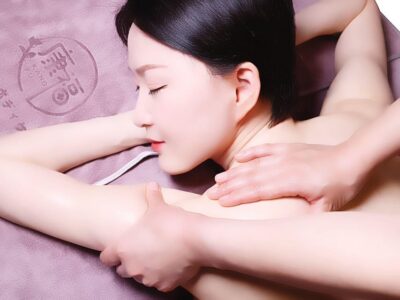
Tokyo: Japanese Massage – Kangfu Beauty & Body Care Salon
Read our review →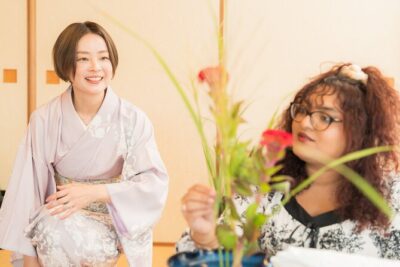
Tokyo Ikebana Wellness Art Experience near Shinjuku
Read our review →
Osaka Temple Head Spa &Matcha Facial – Refresh & Glow〈90min〉
Read our review →
Experience Award-Winning Spa Treatments in Downtown Tokyo
Read our review →
Osaka Temple :Warm Bamboo Oil Massage – Deep Restore〈60min〉
Read our review →
Osaka: Tennen Onsen Naniwa-no-Yu, the famous hot spring spa
Read our review →
Osaka Temple :Warm Bamboo Oil Massage – Deep Restore〈90min〉
Read our review →
Osaka: Japanese Zen Massage and Facial at the Temple/180-min
Read our review →Where else this treatment appears