
Review · OSAKA
ZEN therapy | Shiatsu-style massage, EnergyTherapy & Japanese Tea
Give your muscles an hour of quiet care. This Osaka treatment combines Shiatsu-style bodywork and energy therapy with a Japanese tea ritual, creating something more personal than a standard massage. I like the chance to wear a samue, the simple work robe associated with Zen monks, and I like that the visit ends with matcha, a tea sweet, and a written treatment report. The main consideration is that the energy work is rooted in qi, or life energy, so this experience suits you best if you are open to that idea rather than expecting a conventional medical treatment.
The session takes place in a private room at MAITRII, near public transportation in Osaka’s Nishinakajima area. At $57.23 per person, the listed one-hour option is fairly priced for private bodywork plus the tea ritual, though you should check which duration you are booking because 30, 60, 90, and 120-minute choices are offered. The treatment is not a substitute for medical care, and some of its claims about detoxification, prevention, and healing should be viewed as the provider’s wellness philosophy.
Key points to know before booking
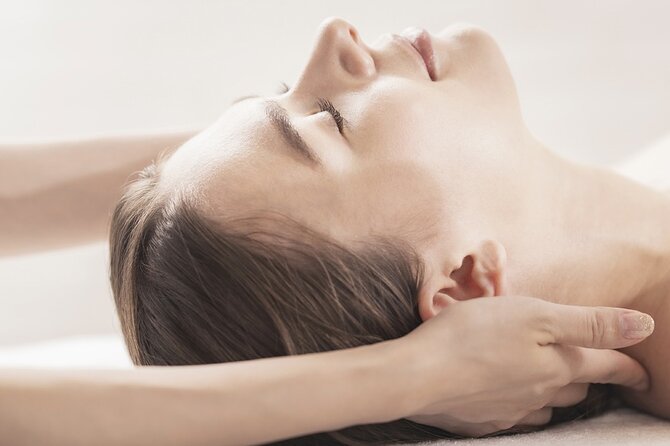
- You wear a samue during the treatment: The Zen-style work robe makes this feel different from an ordinary massage appointment.
- Shiatsu and energy work are combined: Expect hands-on body treatment alongside the provider’s qi-balancing approach.
- The tea ritual closes the visit: Matcha and a Japanese tea sweet give the hour a calm, distinctly Japanese finish.
- A private room is reserved for your group: You are not sharing the treatment with other customers.
- Four treatment lengths are available: Options are listed at 30, 60, 90, and 120 minutes.
- The session includes a treatment report: Your therapist gives you an account of your energy status and suggestions for the future.
What this Osaka Zen session is really offering
This is a small wellness appointment, not a sightseeing tour. You go to MAITRII, change into a samue, receive bodywork, drink matcha, and return to the same meeting point. The whole experience is built around slowing down and paying attention to your physical and mental state.
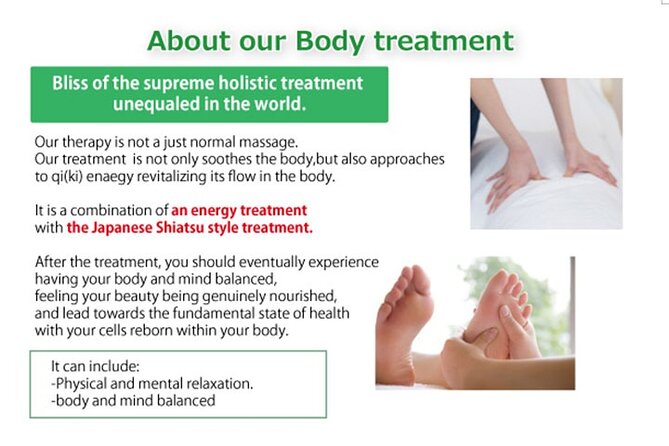
The provider describes the treatment as a combination of Shiatsu-style massage and energy therapy. Shiatsu generally uses pressure and bodywork, while the energy portion focuses on the flow of qi, known in Japan as ki. Here, the therapist’s aim is to release what the practice describes as unwanted energy linked with stress and toxins, then restore a more balanced state.
I would treat that language as part of the session’s spiritual and wellness framework, not as a proven medical diagnosis. You may leave feeling calmer and less tense, as the strongest praise for the treatment points to relaxation and renewed energy, but the experience cannot promise disease prevention, anti-aging results, brain development, or a cure for illness.
The setting adds to the mood. High-quality artificial quartz crystals are placed beneath the bed, and the provider says they are used to amplify beneficial energy and regulate the room. If crystals and energy healing appeal to you, this detail may make the treatment feel more focused. If you prefer evidence-based massage only, it may feel unusual or unconvincing.
More Traditional Massages in Japan:
- Bali: Traditional Balinese Massage at Your Residence
★ 4.8 · 395 reviews - Agadir: Traditional Massage
★ 4.4 · 309 reviews - Traditional Khmer Massage is an extremely relaxing treatment that uses no oil.
★ 5.0 · 153 reviews
Arriving at MAITRII in Nishinakajima
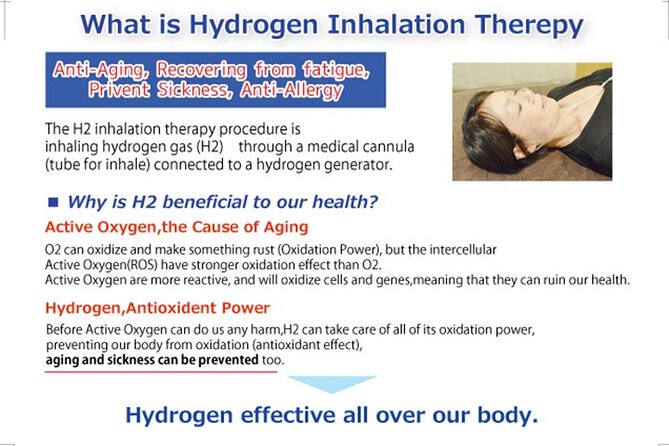
The meeting point is MAITRII, H2 Inhalation Therapy & Relaxation, at Shi-Osaka-daiichi-bldg 8F, Shinosaka Dainichi Building, 8th floor. The address is in Nishinakajima, Yodogawa Ward, Osaka, and the experience is described as being near public transportation.
You should allow enough time to find the building and reach the eighth floor, especially if you are unfamiliar with Japanese addresses. The provider supplies a mobile ticket, and confirmation is sent within 48 hours of booking when space is available. Since the appointment is private and a therapist is reserved for you, arriving on time matters.
This is not a walk-in spa stop that you can casually squeeze between major attractions. The experience lasts about one hour for the standard option, and the longer versions can take up to two hours. Plan your Osaka day around it rather than trying to race across the city afterward.
The activity begins and ends at the same location. Private transportation is not included, so you are responsible for reaching MAITRII and returning to your next stop. That arrangement keeps the price reasonable, but you need to handle the final part of the journey yourself.
Changing into a Zen samue
The first step is changing into a samue, a loose work robe traditionally associated with Zen monks. You wear it during the treatment rather than your ordinary clothes.
This is more than a costume detail. A samue gives the appointment a clear ritual beginning, and the loose clothing makes it easier to receive bodywork without dealing with tight everyday clothes. The robe also links the session to Japanese Zen practice, where simple clothing and repeated routines help create a calmer frame of mind.
The provider says samue can also be purchased as a souvenir. The work robes are described as comfortable and well made, suitable for relaxing at home, taking a walk, or visiting a temple for zazen. The purchase is optional, and the price is not provided, so ask about cost if you are interested.
You should also remember that the experience is not presented as a formal temple visit. The samue supplies a Zen connection within a private wellness setting. That distinction matters if you are looking for religious instruction or traditional meditation with a temple community.
The body treatment: Shiatsu-style pressure and qi work
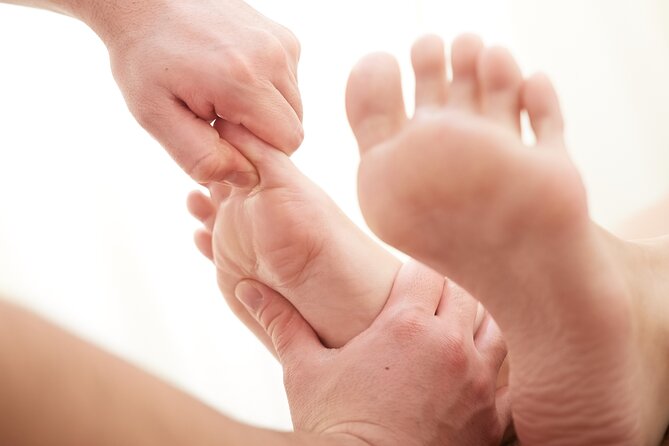
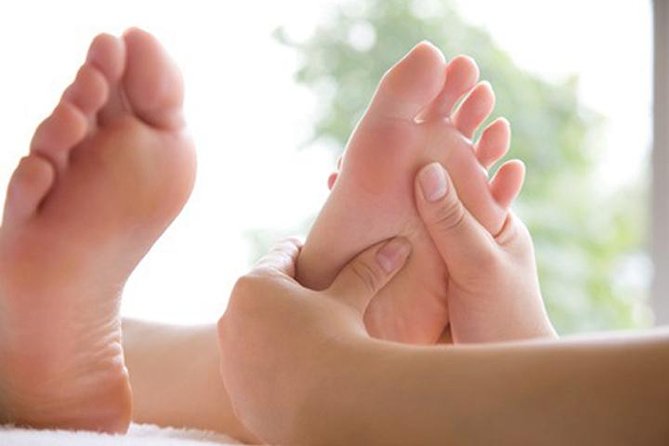
Once changed, you receive a full-body treatment that blends Shiatsu-style massage with the provider’s energy therapy. The therapist works on the body while also focusing on the circulation of qi.
The aim is to reduce the physical effects of fatigue and stress, then leave you with a calmer mind. The treatment description also says the therapist addresses thoughts and mental tension. In practical terms, you should expect a quiet session centered on relaxation, pressure, and the therapist’s energy-based method.
The 60-minute choice is the natural fit for most people. It gives you enough time to experience the bodywork without turning the appointment into a major block of your day. The 30-minute option may suit you if you are short on time or mainly want a quick refresh, though the description suggests that longer appointments are better if you have several areas of concern.
The 90-minute and 120-minute choices are intended for a fuller treatment. The provider specifically recommends the premium or luxury options if you are concerned about several parts of your body. These longer sessions cost more than the listed $57.23 starting price, so confirm the price for your chosen duration before paying.
The experience is private, which is a real advantage. You do not need to share the room or adjust to a group schedule. A private appointment also makes it easier to relax, discuss your concerns, and listen to the treatment report at the end.
A few more spa visits around Japan worth a look
- Tokyo: Japanese Massage – Kangfu Beauty & Body Care Salon
★ 4.4 · 43 reviews - Tokyo Ikebana Wellness Art Experience near Shinjuku
★ 5.0 · 27 reviews - Osaka Temple Head Spa &Matcha Facial – Refresh & Glow〈90min〉
★ 5.0 · 24 reviews - Experience Award-Winning Spa Treatments in Downtown Tokyo
★ 5.0 · 21 reviews
How the energy therapy fits into the experience
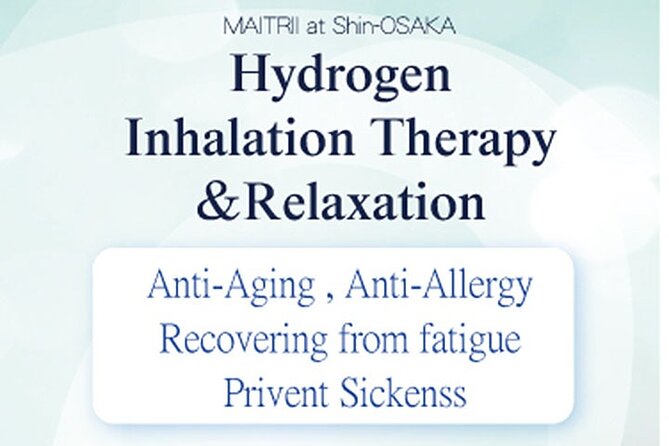
Energy therapy is not an add-on here. It is one of the central features of the appointment.
The provider describes the method as a Japanese-origin practice designed to support the body’s natural healing ability by adjusting energy circulation. The therapist is presented as a specialist in qi, or ki, and the room is prepared with artificial quartz crystals intended to support the session.
You do not need to have a strong belief in energy healing to take part. The experience can be approached in two ways. You might see the qi work as a spiritual practice, or you might simply use the quiet setting and hands-on treatment as a way to rest. One of the strongest positive comments came from someone who enjoyed the mix of Shiatsu and energy work even without being certain about energy concepts.
That flexibility is useful. You can appreciate the calm, breathing space, and physical attention without treating the energy claims as scientific fact. At the same time, you should not book this expecting a clinical assessment or a guaranteed health result.
The description uses terms such as detoxification, disease prevention, beauty, and anti-aging. I would not use those claims as a reason to replace a doctor, physiotherapist, or licensed medical treatment. Book it for relaxation and personal interest, not for a serious health problem.
Matcha, tea sweets, and the Zen connection
After the bodywork, the experience shifts from treatment to tea. You receive Japanese matcha and a tea sweet in a brief tea ritual.
This closing moment helps prevent the appointment from feeling like a rushed massage followed by a quick goodbye. You have time to sit with the experience, enjoy a traditional flavor, and move from bodywork back into the rest of your day.
The connection between tea and Zen is part of the program’s central idea. The provider explains that the Japanese tea ceremony, or sado, developed from Zen traditions. You are not taking a full tea ceremony class, and no lengthy instruction is promised, but the tea gives the session a small cultural element beyond massage.
If you have never tried matcha, expect a strong, grassy tea rather than a mild black tea. The accompanying sweet provides a useful contrast. The exact sweet is not specified, so do not expect a particular confection.
I like this part because it makes the appointment feel distinctly Japanese without requiring a full day of cultural activity. You get a small ritual, not a museum lecture. That simplicity is the point.
The treatment report and what it adds
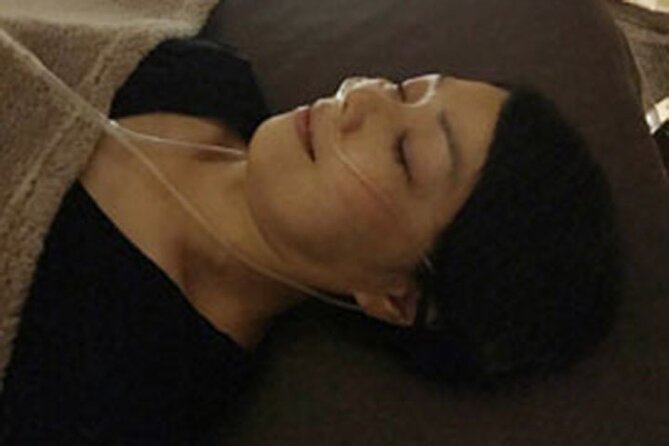
The final step is a treatment report from your therapist. It describes your energy status and gives advice for the future.
This is useful if you want the session to feel personal rather than generic. You leave with something to think about, and the report may help you remember what the therapist focused on during the appointment.
Still, you should treat the report as wellness guidance, not a medical document. The supplied information does not say that it includes clinical measurements, diagnosis, or treatment recommendations from a medical professional. If the report discusses energy imbalances or emotional patterns, consider those observations within the provider’s own system.
For some people, this final conversation may be the most meaningful part of the visit. For others, it may feel vague compared with a standard massage therapist’s explanation of muscles and posture. Your response will depend largely on how comfortable you are with spiritual and energy-based language.
Choosing between 30, 60, 90, and 120 minutes
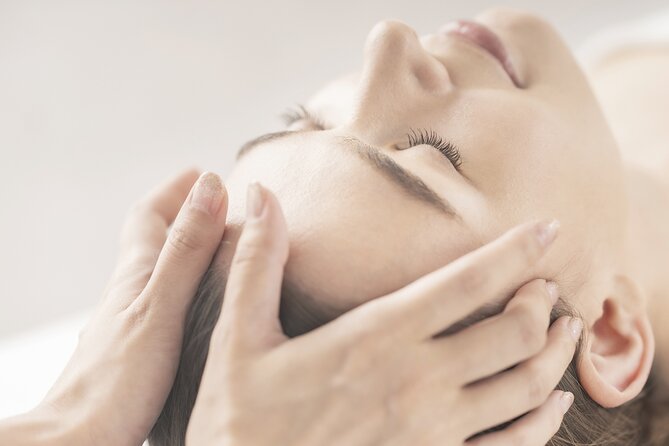
The experience lists four duration choices:
- 30 minutes: Best for a short refresh or a tight schedule.
- 60 minutes: The standard option and the best match for the approximately one-hour description.
- 90 minutes: A longer session if you want more time with the bodywork.
- 120 minutes: The luxury option for a fuller appointment and multiple areas of concern.
The names in the description contain some awkward wording, including phrases about a game and a match. I would focus on the actual durations rather than those labels. Before booking, confirm that your selected length matches the price shown at checkout.
At $57.23 per person, the one-hour option offers solid value if you want private bodywork plus a tea ritual and written follow-up. A standard massage alone can cost a similar amount in many cities, though prices vary widely. Here, you are paying partly for the themed setting and energy approach, not only for physical massage time.
The longer options may be worthwhile if you want a slower session and have several areas that need attention. They are less practical if you only want a quick rest before dinner or sightseeing. Since the appointment is private, every extra minute applies to your group rather than a shared class.
Who will enjoy this most
I would recommend this experience to you if you want:
- A quiet wellness break in Osaka
- A private appointment rather than a group activity
- A Japanese cultural touch without committing to a full tea ceremony
- A combination of massage and spiritual wellness
- A calm stop after several busy days of sightseeing
- A souvenir samue to wear at home or during future relaxation
It may not suit you if you want a firm sports massage, a medical assessment, or a traditional temple program. It also may not be a good use of your time if you are uncomfortable with qi, crystals, or energy-based explanations.
The activity says most people can participate, but it does not provide detailed medical guidance about injuries, pregnancy, or specific health conditions. If you have a condition that affects massage, ask the provider before booking.
The experience has a perfect five-star average from the five ratings supplied, with praise focused on feeling relaxed, refreshed, and rejuvenated. One person specifically chose the longest course and felt it was worth the extra time. That supports the idea that the strongest benefit is a sense of rest and renewal, not sightseeing or formal instruction.
Timing, cancellation, and practical value
The experience is commonly booked about 19 days ahead. That suggests you should not wait until the morning of your preferred date, especially because the appointment is private and depends on therapist availability.
You can cancel for a full refund up to 24 hours before the local start time. Cancellations made less than 24 hours before the appointment are not refunded, and late changes are not accepted. This policy is reasonable for a private treatment, but it means you should be certain about your Osaka schedule before booking.
Confirmation arrives within 48 hours, subject to availability. Keep the mobile ticket accessible, and save the meeting address in your phone. Since the session ends where it begins, it is easy to pair with nearby plans, but the provided information does not identify a precise subway exit or travel time.
The price does not include transportation. That is not a serious drawback if you are already staying near Osaka’s public transit network, but it is worth factoring into the total cost. You are paying for the treatment, the tea ritual, and the private setting, while getting yourself to and from the building.
Should you book this Zen Therapy session?
Book it if you want a gentle, unusual wellness break and like the idea of combining Shiatsu-style massage, qi work, samue clothing, matcha, and a treatment report. The private format and modest one-hour price make it appealing for a solo visitor or a small group seeking quiet time in Osaka.
Skip it if you need evidence-based medical care, a detailed cultural tour, or a conventional massage with no spiritual language. The best reason to choose it is the chance to slow down and try a distinctly Japanese wellness ritual. The best reason to pass is that the energy claims will not suit everyone.
For most people, I would choose the 60-minute option first. It gives you the full shape of the experience without taking over your day. If fatigue is your main concern and your budget allows, the 90-minute or 120-minute choices may offer a more relaxed pace. Either way, confirm the duration, price, and treatment expectations before you arrive.
FAQ
Where does the Zen Therapy experience take place?
It takes place at MAITRII, H2 Inhalation Therapy & Relaxation, on the eighth floor of Shi-Osaka-daiichi-bldg in Nishinakajima, Yodogawa Ward, Osaka.
How long does the experience last?
The standard experience is approximately one hour. Options are listed for 30, 60, 90, and 120 minutes.
What is included in the price?
The experience includes a full-body qi-balancing massage using Shiatsu-style energy therapy and a Japanese Zen tea ritual with matcha and a tea sweet.
Is transportation included?
No. Private transportation is not included. The activity begins and ends at the MAITRII meeting point.
Is the treatment private?
Yes. This is a private activity, and only your group participates.
Do I wear special clothing during the treatment?
Yes. You change into a samue, a Zen-style work robe, before receiving the treatment.
What happens after the massage?
You receive matcha and a Japanese tea sweet, followed by a treatment report describing your energy status and offering advice for the future.
Can I purchase a samue?
Yes. Samue work robes are available for purchase as souvenirs, though the price is not provided.
How far in advance is the experience usually booked?
It is booked, on average, 19 days in advance. Confirmation is sent within 48 hours, subject to availability.
Can I cancel for a full refund?
Yes. You can cancel at least 24 hours before the local start time for a full refund. Cancellations made less than 24 hours before the start time are not refunded.
Just added around Japan
- Onsen Spa in Tokyo and Asakusa Bar Hopping with Local Guide★ 5.0 · 3 reviews
- Japanese Head Onsen and Scalp Massage Retreat in Tokyo★ 4.5 · 2 reviews
- Aroma Massage with cherry blossom infused oil★ 5.0 · 5 reviews
- Authentic Japanese Massage Experience★ 5.0 · 2 reviews
- [Japan Wellness] Zen Meditation and Temple Tour in Matsushima★ 5.0 · 9 reviews
- Wellness in Saitama: Takedera Blowing Zen Meditation & Hot Spring★ 5.0 · 2 reviews
- Osaka Reiki Healing and Aroma Massage At The Temple<120min>★ 5.0 · 2 reviews
- Osaka:Bamboo Healing Massage at the Temple <90-min>★ 5.0 · 9 reviews
Osaka Massage and Spa, compared.
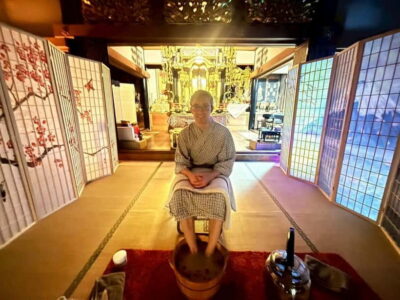
Osaka Temple Head Spa &Matcha Facial – Refresh & Glow〈90min〉
Read our review →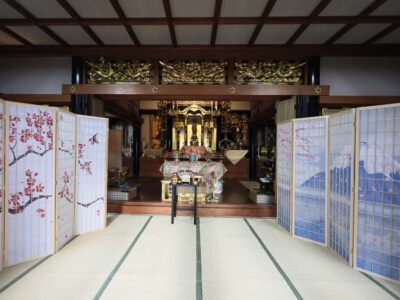
Osaka Temple :Warm Bamboo Oil Massage – Deep Restore〈60min〉
Read our review →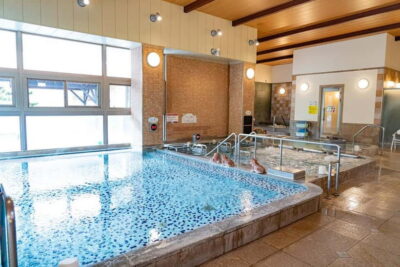
Osaka: Tennen Onsen Naniwa-no-Yu, the famous hot spring spa
Read our review →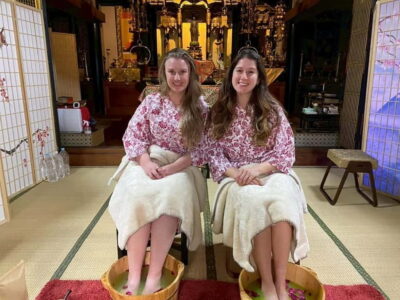
Osaka Temple :Warm Bamboo Oil Massage – Deep Restore〈90min〉
Read our review →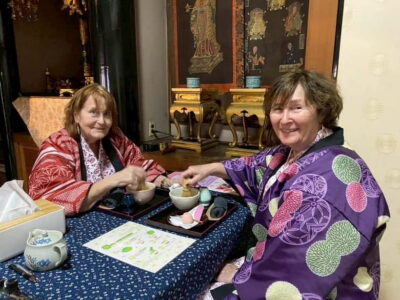
Osaka: Japanese Zen Massage and Facial at the Temple/180-min
Read our review →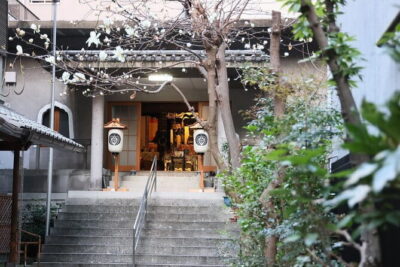
Osaka:Bamboo Healing Massage at the Temple <90-min>
Read our review →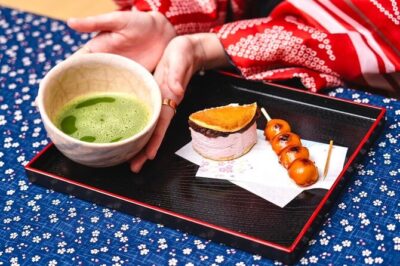
Osaka Reiki Healing and Aroma Massage At The Temple<120min>
Read our review →Where else this treatment appears