
Review · TOKYO
Onsen Spa in Tokyo and Asakusa Bar Hopping with Local Guide
Tokyo rewards a slower kind of sightseeing. This six-hour small-group outing pairs a clean local onsen with food and drinks around Asakusa, giving you a break from temples and department stores. I like the private spa time and the chance to ask an English-speaking guide about Japanese bathing customs. I also like the small group, limited to eight people. The main drawback is the price, $161.28 per person, especially since restaurant bills are extra and the onsen admission information is inconsistent.
The route starts near Ryogoku Station and ends at Asakusa Station, so it works well for an afternoon and evening in eastern Tokyo. You should also note the schedule: this experience currently runs Tuesday through Thursday from 1 PM to 9 PM. Heavy tattoos are prohibited at Edoyu, though the operator says it may be able to suggest ways to cover some tattoos.
Key points at a glance
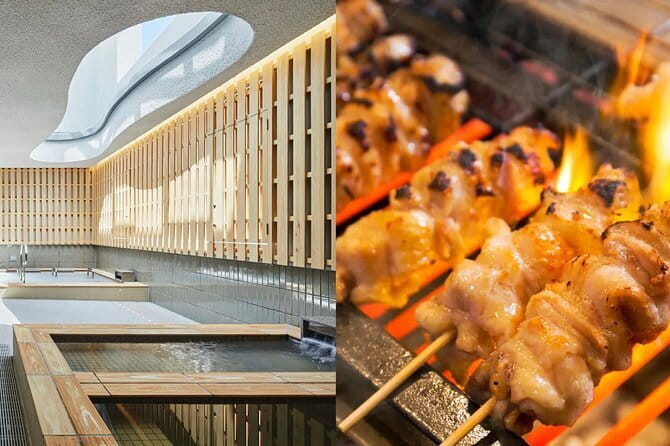
- Edoyu gives you three hours for baths, saunas, and quiet time, with six baths, three saunas, three bedrock baths, four treatment spas, and four relaxation lounges.
- Your guide does not enter the spa with you, which lets you enjoy the bathing facilities privately after receiving help with the local rules.
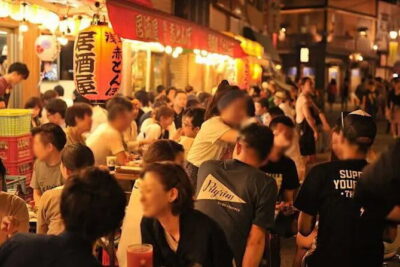
- Hoppy Street brings the evening back to street level, with yakitori, okonomiyaki, motsuni, and drinks at relatively reasonable local prices.
- The group is capped at eight people, a useful size for questions, translation, and moving between stops.
- The route connects Ryogoku and Asakusa, two well-known eastern Tokyo areas, without spending the whole afternoon at major landmarks.
- The price requires careful checking, because the details say both that onsen admission is included and that it is not included.
Why this Tokyo outing feels different
Many Tokyo tours are built around famous sights. This one takes a more ordinary-day approach: bathe, rest, eat, and have a drink. That sounds simple, but it gives you a useful look at how leisure in Japan can work outside the standard sightseeing circuit.
The appeal is not a long list of monuments. It is the change of pace. After busy streets and crowded stations, three hours at a bath and spa can reset your day. Later, Asakusa provides a more social finish, with small eateries and bars along Hoppy Street.
I especially like the balance between guided help and personal space. Your guide explains what to do before you enter Edoyu, then leaves you to use the facilities alone. You are not required to make conversation during the bath or follow a guide from room to room.
The small group matters here. With no more than eight people, you should have a fair chance to ask about etiquette, food, ordering, or the neighborhoods along the route. It also makes translation easier once you reach the restaurants.
More Onsen Experiences in Japan:
- Osaka: Tennen Onsen Naniwa-no-Yu, the famous hot spring spa
★ 4.7 · 19 reviews - Onsen Spa in Tokyo and Asakusa Bar Hopping with Local Guide
★ 5.0 · 3 reviews - Japanese Head Onsen and Scalp Massage Retreat in Tokyo
★ 4.5 · 2 reviews
Starting near Ryogoku Station
The meeting point is outside Ryogoku Station at 1-chome-3-20 Yokoami in Sumida City. You should allow enough time to find the correct station exit and meeting spot, since Tokyo station areas can be confusing even when the address looks simple.
Ryogoku is a fitting starting point for a local-feeling afternoon. The tour does not promise a major sightseeing stop there, so think of the station as a practical launch point rather than a full guided visit. From here, the focus shifts to Edoyu.
The listed duration is about six hours, with roughly three hours assigned to each main stop. That is a generous amount of time for the spa. It also means this is not a quick add-on between museum visits. Plan your day around it.
The experience runs from 1 PM to 9 PM on Tuesday, Wednesday, and Thursday during the stated operating period. That timing suits you if you want a late lunch or early evening meal afterward. It will not work for a Monday plan, a weekend schedule, or a short morning visit.
Three hours at Edoyu
Edoyu is described as a newer local onsen with clean facilities. The scale is larger than a simple neighborhood bathhouse. You will find six onsens, or baths, three saunas, three bedrock baths, four treatment spas, and four types of relaxation lounges.
That variety is one of the strongest reasons to allow the full three hours. You can move at your own speed instead of rushing through a single bath. If you prefer heat, the sauna and bedrock bath options give you more choice. If you want quiet recovery time, the lounges offer a place to pause.
The guide’s role before entry is important. Japanese onsen etiquette can feel unfamiliar, especially if you do not know the order of washing, bathing, and changing. One particularly praised part of the experience is the clear explanation of the steps needed to follow local bathing customs. That practical briefing may help you feel less awkward when you enter.
You receive towels, gowns, robes, and soap. The guide does not accompany you inside, so you can use the baths without an audience from your tour group. That arrangement gives you the best of both sides: help with the rules first, then privacy.
Do not expect the guide to interpret every moment inside the spa. Once you go in, the visit is your own. That is a benefit for someone who values quiet, but it may disappoint you if you want a fully guided spa experience.
Onsen etiquette and tattoo rules
You should take the bathing customs seriously. The supplied description specifically highlights the need to explain the steps, which suggests the guide will help you understand how to conform to the local routine before entering.
The information also says heavy tattoos are prohibited. The operator asks people with tattoos to contact them in advance, since there may be ways to enter by hiding them in some cases. This is not a guarantee of entry, so do not wait until arrival to raise the issue.
The tattoo rule is one of the most important practical points in the entire booking decision. If you have extensive tattoos, contact Matenro Tours before paying or before the cancellation deadline. Ask exactly what Edoyu will allow and what covering method is accepted.
The tour materials conflict on the entrance fee. One part says all fees of entry are included, while another says the onsen entrance fee is not included. Since that changes the real price, confirm the current policy with the operator before booking. Towels, gowns, robes, and soap are listed as included, but restaurant costs are not.
Same place, a different way to unwind:
- Tokyo: Japanese Massage – Kangfu Beauty & Body Care Salon
★ 4.4 · 43 reviews - Tokyo Ikebana Wellness Art Experience near Shinjuku
★ 5.0 · 27 reviews - Osaka Temple Head Spa &Matcha Facial – Refresh & Glow〈90min〉
★ 5.0 · 24 reviews - Experience Award-Winning Spa Treatments in Downtown Tokyo
★ 5.0 · 21 reviews
From quiet bathing to Hoppy Street
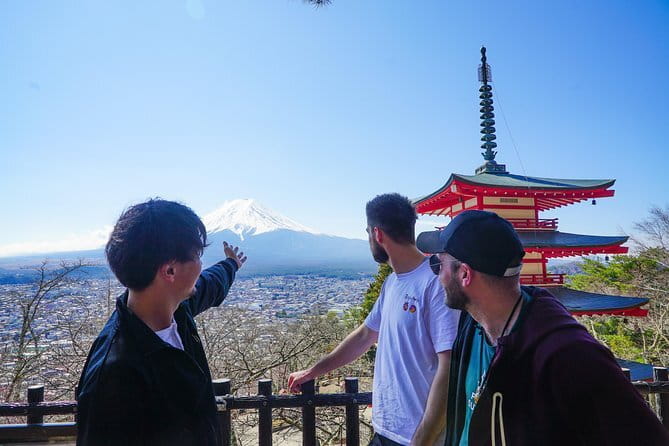
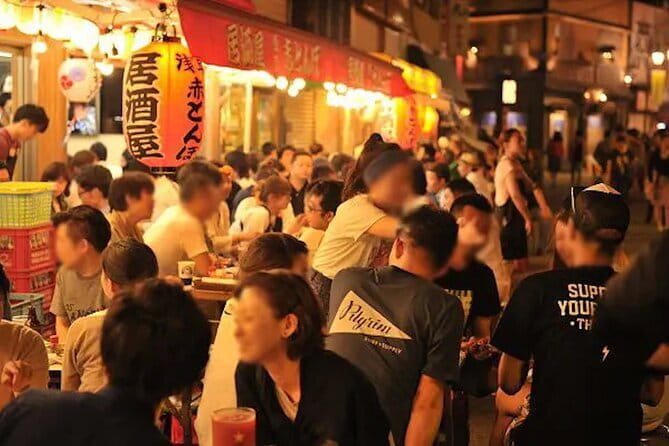
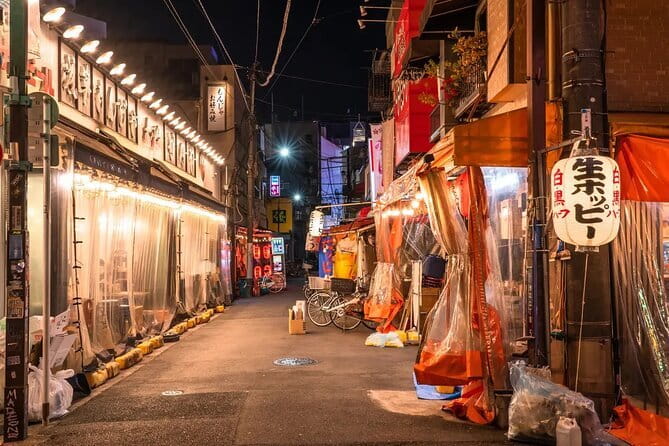
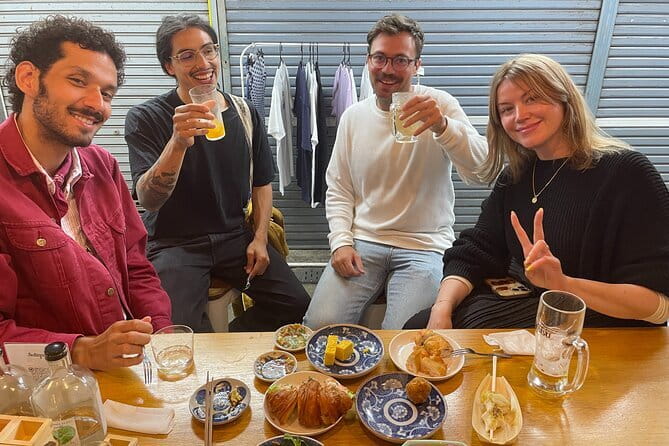
After Edoyu, the tour moves to Hoppy Street in Asakusa. The mood changes sharply. You go from bathing and resting to small restaurants, street-side drinking, and a casual food crawl.
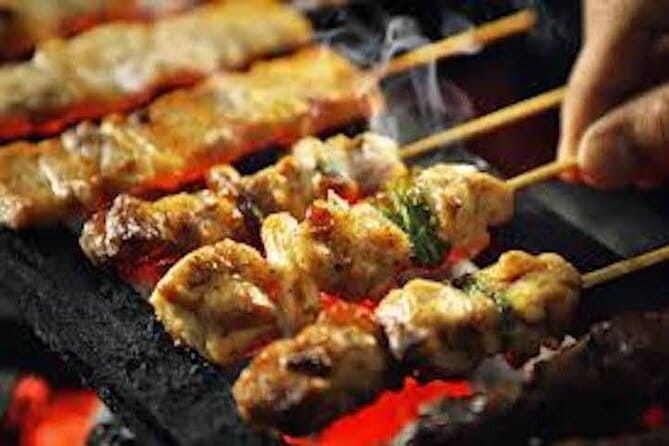
Hoppy Street is presented as a local drinking area with yakitori, okonomiyaki, and motsuni. These dishes give you a better sense of everyday eating than a polished restaurant tasting menu would. Prices are described as relatively reasonable, though you still pay for everything you order.
You can ask about a late lunch or early dinner, and the tour can be adjusted around your food preferences. That flexibility is useful if you do not eat certain ingredients or already have a particular Japanese dish in mind. The supplied details do not promise a fixed food menu, so ask what is planned before you arrive.
The English-speaking guide translates the necessary communication for ordering. That can be a real help in small bars, where menus and ordering customs may not be easy to navigate. It also lets you spend less time worrying about how to order and more time paying attention to the food and setting.
Still, keep your expectations in check. This is not described as a paid tasting tour with meals included. Restaurant fees are separate, and the final cost depends on what you eat and drink. If you want to control spending, ask about prices and portions as you go.
What the six-hour format means

Six hours is long enough for the spa to feel worthwhile and for the food stop to develop at a relaxed pace. You are not being hurried from one photo stop to another. The trade-off is that the outing takes up most of an afternoon and evening.
I would not pair it with a tightly scheduled temple tour, museum reservation, or dinner booking. The tour ends at Asakusa Station, but the exact timing of the food and drinks may vary. Leave your evening open after the experience.
The ending at Asakusa Station is convenient. You can continue exploring the area, return to your hotel, or use the station for onward travel. The end point is not the same as the start, so remember that you will need to make your own way to Ryogoku at the beginning.
Because the tour is booked an average of 71 days ahead, popular dates may fill early. That advance-booking pattern is worth noting if your Tokyo schedule is fixed. At the same time, the stated free cancellation policy lets you cancel for a full refund up to 24 hours before the start time. Changes or cancellations inside that window are not refunded.
Is $161.28 a fair price?
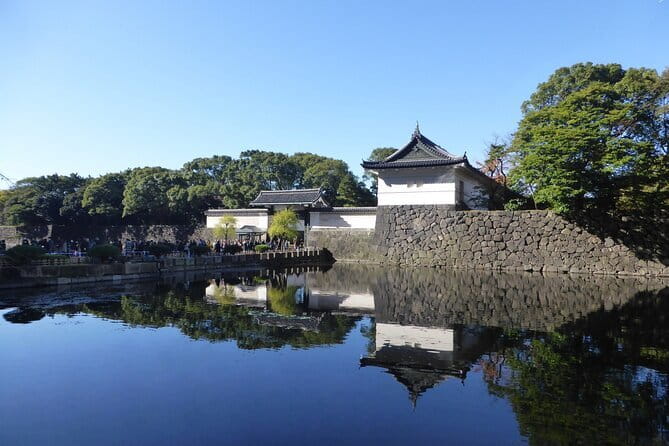
At $161.28 per person, this is not a budget night out. The value depends on how much help you want with the onsen and local ordering.
You are paying for an English-speaking guide, a small group, the bathing orientation, and a carefully connected route from Ryogoku to Asakusa. You also receive towels, gowns, robes, and soap for the spa. The guide’s translation support may save you stress, especially if this is your first onsen visit.
The price looks less attractive if you are comfortable entering a Japanese bathhouse alone and can order food without translation. In that case, you could likely arrange the separate parts yourself and keep more control over your timing and spending. The tour earns its keep through instruction, company, and access to a more local evening rather than through included meals.
Remember that all restaurant charges are extra. Also confirm the onsen fee before booking, because the supplied details disagree on that point. Once those costs are clear, you can compare the total with what you would spend arranging an onsen visit and Asakusa dinner independently.
Group discounts are listed as a feature, though no discount amount is provided. Ask the operator for the current group rate if you are booking with several people.
Who should book this experience?
I would recommend this for a first-time Tokyo visitor who wants help with onsen etiquette but does not want to spend the entire day following a guide. It is also a good fit for people who enjoy food, casual bars, and neighborhood life more than landmark collecting.
The tour suits you if you:
- Want a local-style bath and spa visit with clear instructions
- Prefer a small group rather than a large coach tour
- Like trying dishes such as yakitori, okonomiyaki, and motsuni
- Need English help with ordering
- Want an itinerary that begins in Ryogoku and finishes in Asakusa
- Have an afternoon and evening free from Tuesday through Thursday
It may not suit you if you dislike communal bathing, have extensive tattoos that cannot be covered, or want all food and admission costs included in one fixed price. It is also not the right pick for someone seeking a major sightseeing tour, since the focus is relaxation and eating.
The strongest praise attached to this experience concerns the clear explanation of onsen customs and the guide’s friendly, professional manner. No guide name is provided, so you should not expect to request a particular person. What you can count on from the available information is English assistance and a small group capped at eight.
Final call: book it if the onsen is your priority
Book this tour if you want a guided introduction to Japanese bathing followed by casual Asakusa food and drinks. The private spa time, helpful etiquette briefing, and small group make the experience easier than arranging your first onsen visit alone.
Before you commit, confirm two things: the exact onsen admission policy and the tattoo rules. If those work for you, the tour offers a pleasant break from Tokyo’s usual sightseeing circuit, with enough structure to prevent confusion and enough free time to let the spa do its job.
FAQ
How long does the experience last?
The experience lasts approximately six hours. About three hours are assigned to Edoyu and about three hours to Hoppy Street in Asakusa.
Where does the tour begin?
It begins near Ryogoku Station at 1-chome-3-20 Yokoami, Sumida City, Tokyo 130-0015, Japan.
Where does the tour end?
The tour ends at Asakusa Station at 1 Chome-4 Hanakawado, Taito City, Tokyo 111-0033, Japan.
What days and times does the tour operate?
The stated operating schedule is Tuesday through Thursday, from 1 PM to 9 PM, during the listed operating period from June 25, 2024, through January 20, 2027.
Is the onsen entrance fee included?
The information provided is inconsistent. One section says all entry fees are included, while another says the onsen entrance fee is not included. Confirm the current policy with the operator before booking.
What is provided at Edoyu?
Towels, gowns, robes, and soap are listed as included. Edoyu has six baths, three saunas, three bedrock baths, four treatment spas, and four relaxation lounges.
Are food and drinks included?
No. Restaurant fees at Hoppy Street are not included. You pay separately for dishes and drinks.
Can people with tattoos enter the onsen?
Heavy tattoos are prohibited. The operator asks you to contact them in advance, since there may be ways to hide a tattoo in some cases, but entry is not guaranteed.
Just added around Japan
- Japanese Head Onsen and Scalp Massage Retreat in Tokyo★ 4.5 · 2 reviews
- Aroma Massage with cherry blossom infused oil★ 5.0 · 5 reviews
- Authentic Japanese Massage Experience★ 5.0 · 2 reviews
- [Japan Wellness] Zen Meditation and Temple Tour in Matsushima★ 5.0 · 9 reviews
- Wellness in Saitama: Takedera Blowing Zen Meditation & Hot Spring★ 5.0 · 2 reviews
- Osaka Reiki Healing and Aroma Massage At The Temple<120min>★ 5.0 · 2 reviews
- ZEN therapy | Shiatsu-style massage, EnergyTherapy & Japanese Tea★ 5.0 · 5 reviews
- Osaka:Bamboo Healing Massage at the Temple <90-min>★ 5.0 · 9 reviews
Tokyo Massage and Spa, compared.
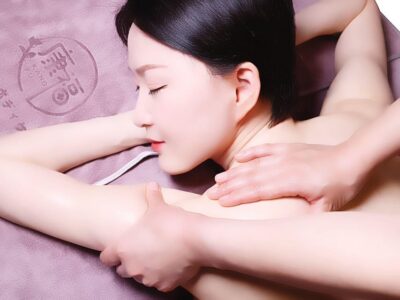
Tokyo: Japanese Massage – Kangfu Beauty & Body Care Salon
Read our review →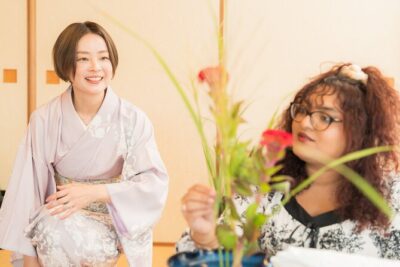
Tokyo Ikebana Wellness Art Experience near Shinjuku
Read our review →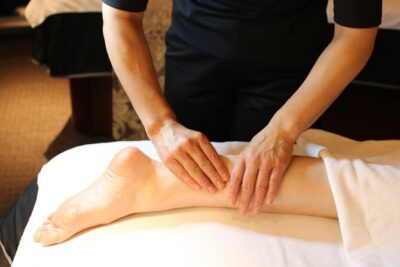
Experience Award-Winning Spa Treatments in Downtown Tokyo
Read our review →
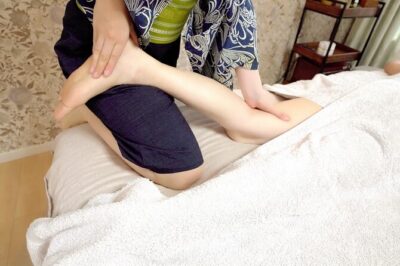
Onsen Spa in Tokyo and Asakusa Bar Hopping with Local Guide
Read our review →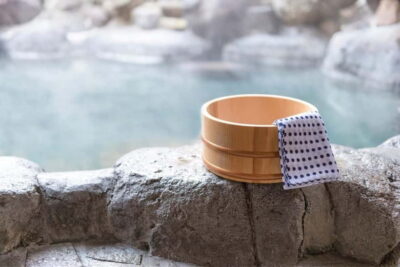
Tokyo: Japanese Spa & Sento Experience with Local
Read our review →
Where else this treatment appears