
Review · OSAKA
Osaka Temple :Warm Bamboo Oil Massage – Deep Restore〈90min〉
Calm begins at the temple door. This Osaka experience pairs a 90-minute bamboo oil massage with Zen meditation, incense, a foot bath, matcha, and Japanese sweets. I like the thoughtful mix of body treatment and cultural activity, and I especially like that the small group is limited to three people. The main point to consider is that the meditation may be shared unless you request a private session.
The $129 price is not just for a massage. You are paying for about two hours of guided time, a yukata, temple rituals, tea instruction, photos, and hands-on treatment. I would book this for a quiet break from sightseeing, but I would not choose it if you want a fast spa appointment or a fully private ceremony by default.
Six details that shape the experience
- The massage lasts 90 minutes, while the full visit takes about two hours.
- Warm bamboo tools and hands are used for oil massage and myofascial release.
- The temple setting adds real cultural content, including incense, worship customs, and Zen meditation.
- You change into a simple yukata, then receive complimentary smartphone photos.
- The tea ceremony includes matcha and original Japanese sweets, with an explanation of Japanese customs.
- Small groups are limited to three people, with English and Japanese instruction available.
A temple visit with a wellness focus
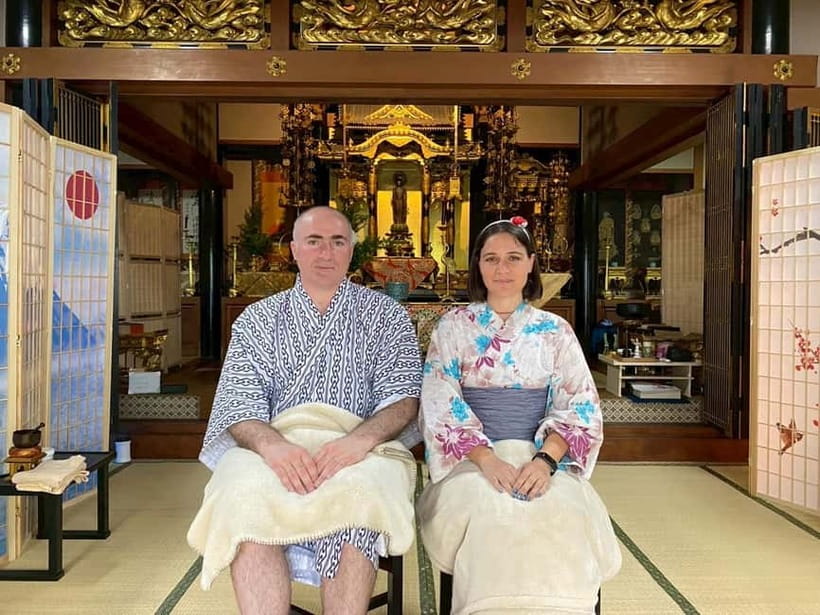
Many Osaka activities ask you to look, listen, and move on. This one asks you to slow down. The setting is a temple, but the visit is designed as a guided wellness experience rather than a standard sightseeing stop.
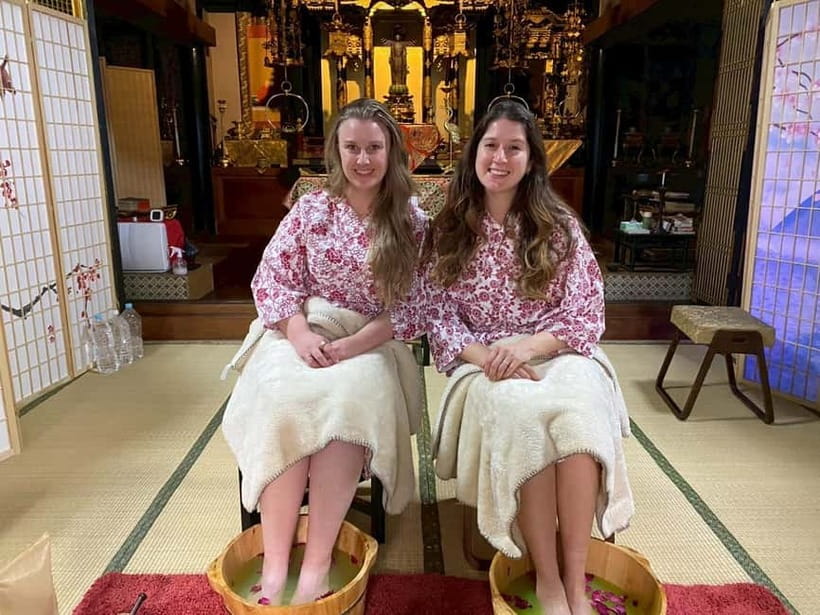
You begin with a welcome drink and a change into a simple yukata. That small step changes the mood. It also makes the appointment feel less like a normal massage clinic and more like a cultural visit with a treatment at its center.
The temple portion includes an incense offering and an introduction to the temple’s history and Japanese worship culture. I value this explanation because rituals can feel mysterious when you only watch from the side. Here, you get some context before taking part.
The experience is conducted in English and Japanese. That matters during the worship and tea sections, where a short explanation can make the difference between copying a gesture and understanding what you are doing.
More Full Body Massages in Japan:
- Osaka Temple :Warm Bamboo Oil Massage – Deep Restore〈60min〉
★ 4.9 · 19 reviews - Aroma Massage with cherry blossom infused oil
★ 5.0 · 5 reviews - Osaka Reiki Healing and Aroma Massage At The Temple<120min>
★ 5.0 · 2 reviews
Finding the entrance without a wrong turn
The meeting point requires care. When using Google Maps, search for Japanese Massage -the one&only-, not the temple name. Entering the temple name may send you to a back entrance, where it is easy to lose time and direction.
If the massage name does not appear clearly, search for the restaurant Tossa de coracao. The meeting point is right next to it. I would save both names before leaving your hotel and allow a few extra minutes for finding the correct entrance.
This is a useful example of a small detail that can affect an otherwise peaceful booking. A temple complex may have several entrances, and the most obvious map result is not always the right arrival point.
Incense, bells, and kneaded fragrance
After changing, you visit the temple and make an incense offering. The activity includes an introduction to worship customs, so you are not left guessing about the order or meaning of the ritual.
The meditation section uses a bell and kneaded incense. These details give the session a clear beginning and end. The bell helps mark the shift away from Osaka’s streets, while the incense adds a sensory focus without turning the meditation into a long formal sitting.
The meditation may be shared with other people. If you want a private session, request one in advance. The group limit is three participants, so shared meditation should remain fairly small, but it is still different from having the room entirely to yourself.
I would set expectations correctly here. This is a short cultural meditation within a two-hour wellness visit, not a full-day temple retreat. That is part of its appeal for visitors who want a taste of Zen practice without giving up half a day.
The foot bath prepares you for treatment
The treatment starts with a foot bath and scrub massage. This is a practical opening because it helps you settle before the longer bodywork begins.
A foot bath also makes the change from outdoor sightseeing feel complete. You have arrived, removed the pace of the city, and begun with a simple physical reset before lying down for the main massage.
The scrub massage is not presented as a separate spa treatment. It works as an introduction to the full session. If you want strong pressure only, tell the practitioner what you prefer when you arrive. The provided information does not specify pressure levels or individual medical adaptations, so clear communication is the sensible approach.
A few more spa visits around Japan worth a look
- Tokyo: Japanese Massage – Kangfu Beauty & Body Care Salon
★ 4.4 · 43 reviews - Tokyo Ikebana Wellness Art Experience near Shinjuku
★ 5.0 · 27 reviews - Osaka Temple Head Spa &Matcha Facial – Refresh & Glow〈90min〉
★ 5.0 · 24 reviews - Experience Award-Winning Spa Treatments in Downtown Tokyo
★ 5.0 · 21 reviews
Warm bamboo and hand massage
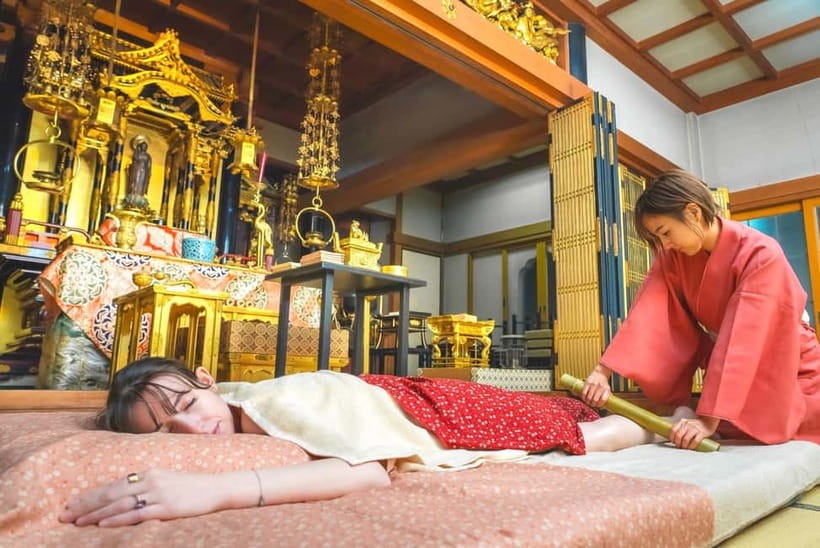
The central treatment combines warm bamboo with hand-applied oil massage and myofascial release. Bamboo tools offer a different sensation from hands alone. They can create broader pressure along the body, while the practitioner can use hands for more controlled work.
The treatment is called Warm Bamboo Oil Massage, Deep Restore, and the massage itself lasts 90 minutes. That is a substantial treatment length, especially when added to the foot bath and the slower temple program.
The word myofascial refers to work aimed at the connective tissue surrounding muscles. I would think of this as a bodywork-focused massage rather than a light lotion rub. Still, every person responds differently to pressure and heat, so tell the practitioner if you need adjustments.
One practitioner specifically praised in the feedback is Arisa, who was described as both a talented masseuse and the guide for the wider experience. That combination matters here. You are not only receiving bodywork from someone who understands the treatment, but also moving through a cultural program that needs calm, clear guidance.
The experience information also describes Reiki as a non-contact Japanese energy practice intended to support relaxation and emotional balance. Since the main included treatment is listed as an aroma massage with bamboo, I would ask the provider before arrival if Reiki is part of your particular appointment or simply an additional description of the wellness approach.
Matcha, sweets, and a lesson in Japanese hospitality
The tea ceremony follows the massage and meditation. This timing works well. You are already quiet and settled, so the tea portion does not feel like a rushed demonstration squeezed between sightseeing stops.
You receive matcha and original Japanese sweets, along with cultural and historical explanation. The sweets are not just a snack. In a tea setting, the order and relationship between the sweet and the tea are part of the experience.
I like that the activity explains the ceremony rather than presenting it as a photo opportunity alone. You can ask questions, notice the careful movements, and understand more about why tea preparation is treated as a social and cultural practice.
The tea ceremony may be the most accessible part for companions who are less interested in massage. One person can appreciate the bodywork, while another may remember the matcha lesson or the temple customs most clearly.
There is one practical point to remember: matcha has a distinctive, bitter taste and contains caffeine. The information does not specify alternatives, so mention any dietary or drink concerns when booking.
The yukata photo is a simple keepsake
A simple yukata is included, and complimentary smartphone photos are taken during the temple experience. The photos are sent home as a keepsake, so you do not need to arrange a professional photographer or carry special equipment.
I see the photo as a pleasant extra, not the main reason to book. The yukata gives the visit a visual connection to Japanese culture, but the strongest part of the experience is the time and attention given to the massage, meditation, and tea.
The photo can also make the activity feel more complete for couples. One couple described the appointment as a welcome chance to relax during their trip, with the treatment and hospitality both receiving praise. For a pair traveling together, this is a calm shared activity rather than two people separating for a standard spa booking.
What the $129 price includes
At $129 per person, the price sits above a basic massage but covers much more than bodywork. You receive:
- A welcome drink
- A simple yukata
- Temple visit and incense offering
- Explanation of worship customs
- Zen meditation with a bell and kneaded incense
- Foot bath and scrub massage
- Warm bamboo and hand oil massage
- Matcha tea ceremony
- Original Japanese sweets
- Complimentary smartphone photos
The key value is the combined format. If you priced the massage, cultural instruction, tea ceremony, and small-group attention separately, the total would likely feel less surprising. More important, you avoid spending a morning or afternoon arranging several unrelated activities.
I would consider the price good for someone who wants a polished, guided experience with a strong cultural element. It is less attractive if you only want massage time. In that case, a normal spa may offer a simpler comparison.
The session also includes skip-the-ticket-line access, though this is not a standard attraction with a long public queue. The real benefit is the reserved appointment and organized welcome.
A two-hour schedule that does not feel rushed
The full duration is two hours, with the massage section listed as 90 minutes. The remaining time covers arrival, changing, temple introduction, incense, meditation, foot bath, tea, sweets, and photographs.
The schedule has a sensible rhythm:
- Welcome drink and change into a yukata.
- Temple visit, incense offering, and cultural explanation.
- Zen meditation with bell and kneaded incense.
- Foot bath and scrub massage.
- Warm bamboo and hand oil massage.
- Matcha tea ceremony with sweets and explanation.
- Smartphone photos and departure.
The exact order may vary slightly, but this sequence shows why you should not treat the appointment as a 90-minute massage with a few extras. The full two hours matters.
I would avoid placing a rushed activity immediately afterward. You may feel relaxed after the bodywork, and the tea ceremony deserves attention rather than a quick glance at the clock.
Who will enjoy this most
I would recommend this experience to:
- Couples who want a peaceful shared activity
- First-time visitors seeking a gentle introduction to Japanese customs
- People who want massage but also care about place and setting
- Solo visitors who appreciate guided cultural activities
- Anyone recovering from a busy day of Osaka sightseeing
- Visitors who enjoy small groups rather than large tours
It also suits people who want a calm cultural memory without committing to a formal meditation course. The English and Japanese instruction makes the process more approachable for international visitors.
I would think twice if you dislike oil massage, warm tools, matcha, or changing into traditional clothing. The cultural parts are not optional decorations. They are built into the visit.
I would also be cautious about booking for three people without planning ahead. Reservations for three are available by email, so contact the provider rather than assuming the online booking process will handle your group automatically.
What the praise tells you about the experience
The feedback is unusually consistent, with a 5 out of 5 rating from 14 reviews. The strongest praise centers on relaxation, kind staff, and the combination of massage with tea and temple culture.
Several people describe leaving calm and restored. One person who booked mainly for the massage found the tea ceremony and temple introduction just as informative and relaxing. That is a useful clue: the cultural section is not filler before the treatment.
A repeat visitor returned for a second massage and again praised the setting and calming atmosphere. Repeat bookings are especially relevant for a wellness activity because they suggest the appeal is not limited to a one-time novelty.
Another person enjoyed the treatment so much that they booked a facial for the next day. That does not guarantee you will want another appointment, but it shows how the experience can fit into a longer self-care plan in Osaka.
The international feedback also points to a friendly welcome. French, Dutch, German, and English comments all praise the staff and the peaceful quality of the visit. The warm reception appears to be one of the experience’s strongest features.
Still, a perfect rating does not remove the need to check your preferences. The reviews praise the massage and cultural program, but the available information does not specify room details, pressure choices, accessibility features, or how private the treatment room is. Ask before booking if those points matter to you.
Booking advice and final decision
You can cancel up to 24 hours before the appointment for a full refund, and you can reserve now and pay later. Those policies help if your Osaka schedule is still changing.
The provider is japanese massage 唯一無二, also presented as Japanese Massage -the one&only-. Search for the latter wording in Google Maps, and remember the Tossa de coracao landmark if needed.
Book this experience if you want a slow, intimate cultural activity that gives you both a serious massage and a guided introduction to temple customs. The small group, matcha ceremony, yukata, and photos make it more memorable than a routine spa appointment.
Skip it if your priority is the cheapest massage, complete privacy, or a treatment with no cultural elements. For everyone else, $129 is a fair price for two hours of organized care, especially if you value the setting as much as the massage itself.
FAQ
How long does the Osaka temple massage experience last?
The full experience lasts two hours. The listed bamboo and hand oil massage lasts 90 minutes.
How much does the experience cost?
The price is $129 per person.
What languages are available?
Instruction is available in English and Japanese.
How many people can join?
The experience is a small-group activity limited to three participants. Reservations for three people are available by email.
Can the Zen meditation be private?
Zen meditation may be shared with other participants unless you request a private experience.
Where should I go for the meeting point?
Search Google Maps for Japanese Massage -the one&only-. Do not search only for the temple name, since that may direct you to the back entrance. If needed, search for Tossa de coracao, the restaurant next to the meeting point.
Just added around Japan
- Onsen Spa in Tokyo and Asakusa Bar Hopping with Local Guide★ 5.0 · 3 reviews
- Japanese Head Onsen and Scalp Massage Retreat in Tokyo★ 4.5 · 2 reviews
- Authentic Japanese Massage Experience★ 5.0 · 2 reviews
- Aroma Massage with cherry blossom infused oil★ 5.0 · 5 reviews
- [Japan Wellness] Zen Meditation and Temple Tour in Matsushima★ 5.0 · 9 reviews
- Wellness in Saitama: Takedera Blowing Zen Meditation & Hot Spring★ 5.0 · 2 reviews
- Osaka Reiki Healing and Aroma Massage At The Temple<120min>★ 5.0 · 2 reviews
- ZEN therapy | Shiatsu-style massage, EnergyTherapy & Japanese Tea★ 5.0 · 5 reviews
Osaka Massage and Spa, compared.
Osaka Temple Head Spa &Matcha Facial – Refresh & Glow〈90min〉
Read our review →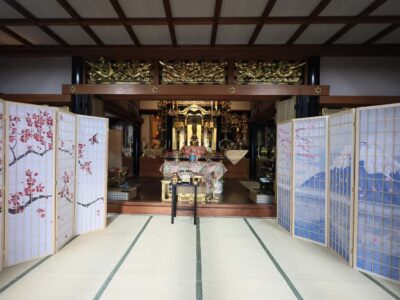
Osaka Temple :Warm Bamboo Oil Massage – Deep Restore〈60min〉
Read our review →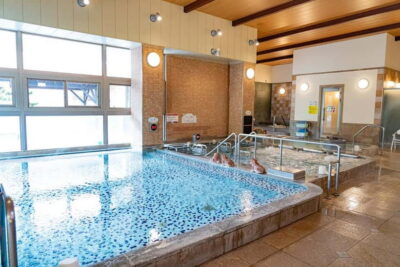
Osaka: Tennen Onsen Naniwa-no-Yu, the famous hot spring spa
Read our review →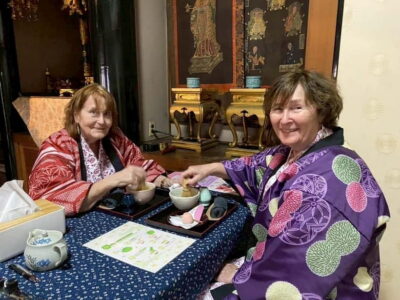
Osaka: Japanese Zen Massage and Facial at the Temple/180-min
Read our review →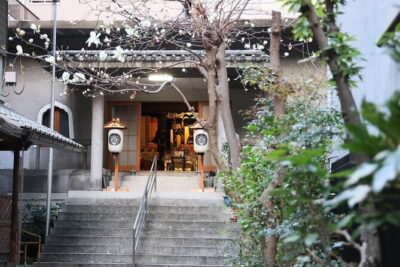
Osaka:Bamboo Healing Massage at the Temple <90-min>
Read our review →
ZEN therapy | Shiatsu-style massage, EnergyTherapy & Japanese Tea
Read our review →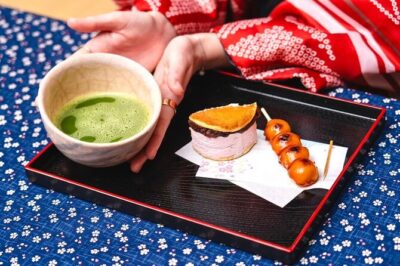
Osaka Reiki Healing and Aroma Massage At The Temple<120min>
Read our review →Where else this treatment appears