
Review · BANGKOK
Mini Group: Authentic Thai Cooking & Wellness Experience
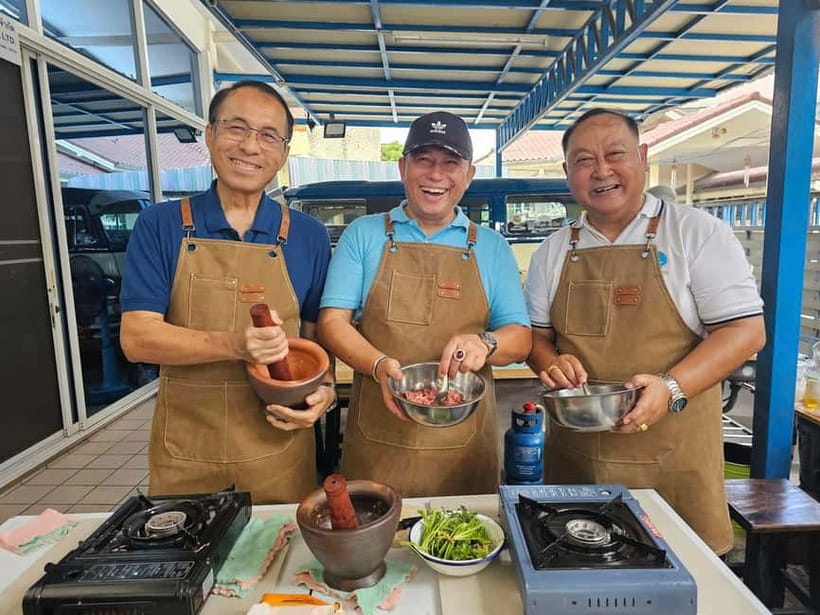
Thai cooking starts at the market. This five-hour class combines Huai Khwang Market, a home garden, and hands-on cooking in a group limited to eight people. I like the market-to-table format, which gives you a clear reason for each ingredient, and I like the personal feel of Uncle and Aunty Cooking House, where Sunee, her family, and staff make the class feel warm rather than commercial. The one drawback is the fixed weekday menu, so your dishes depend on the day you book.
The morning begins at MRT Huai Khwang Exit 4 and ends at the same point. You will visit a Ganesha Shrine, walk about 400 meters to the market, ride to the cooking house, prepare four Thai dishes, eat together, and receive digital recipes plus a certificate. At $44 per person, that is a fair price for the instruction, ingredients, transport between stops, meal, and small-group setting.
Five useful things to know before booking
- The menu changes every day: Check the weekday list before booking if you especially want green curry, Pad Thai, Som Tum, or mango-style dessert.
- The group is limited to eight: You get more direct help than in a large demonstration class.
- The market comes first: You learn about herbs, vegetables, spices, and other ingredients before cooking with them.
- The class is held at a home cooking house: Expect a relaxed, family-style setting instead of a formal culinary school.
- The morning includes moderate walking and standing: Wear comfortable shoes and clothing suitable for cooking.
- You leave with practical takeaways: Digital recipes, a completion certificate, and the skills to make curry paste and coconut milk.
Meeting Ganesha Shrine and walking to Huai Khwang Market
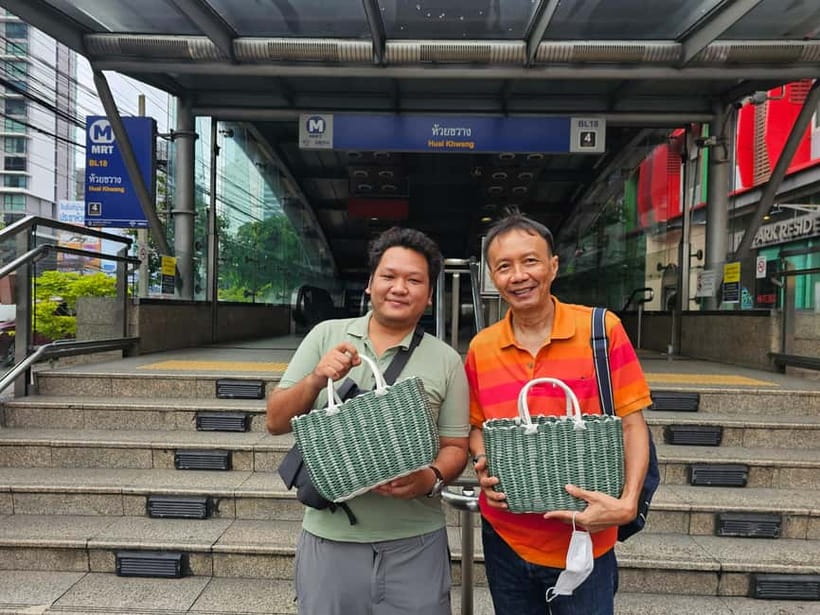
Your morning starts at 8:00 AM at MRT Huai Khwang Station, Exit 4. The guide waits there, so arrive on time. The experience is built around a simple route, and missing the start could mean missing both the shrine visit and the market selection.
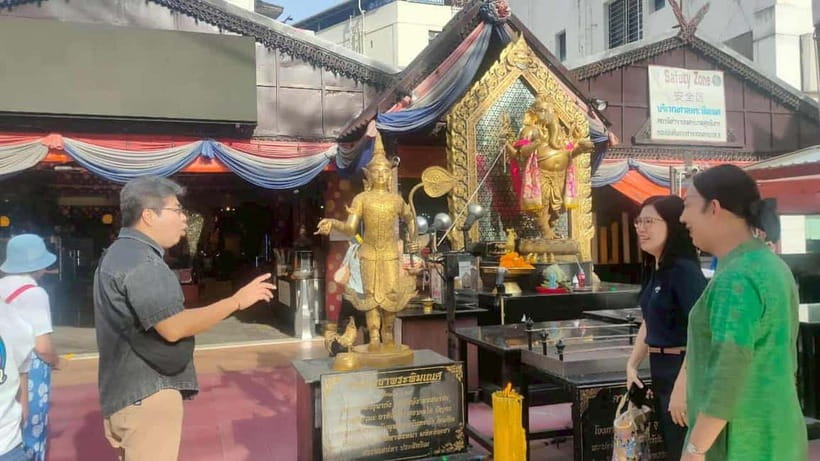
The first stop is the Ganesha Shrine, a respected spiritual site where you can watch traditional offerings and rituals. The stop adds a cultural note before the cooking begins. It is not just a quick food lesson detached from its surroundings. You get a glimpse of a place associated with wisdom and prosperity, then move into the everyday shopping streets nearby.
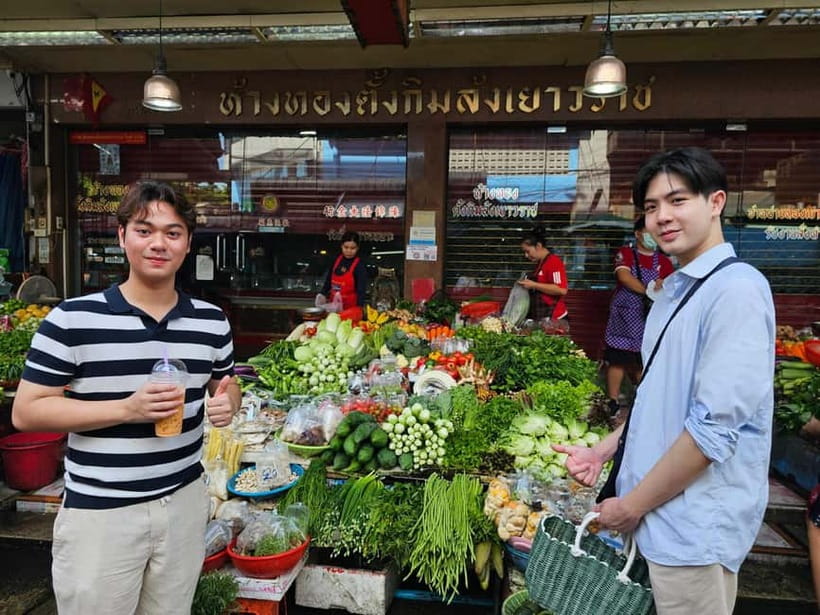
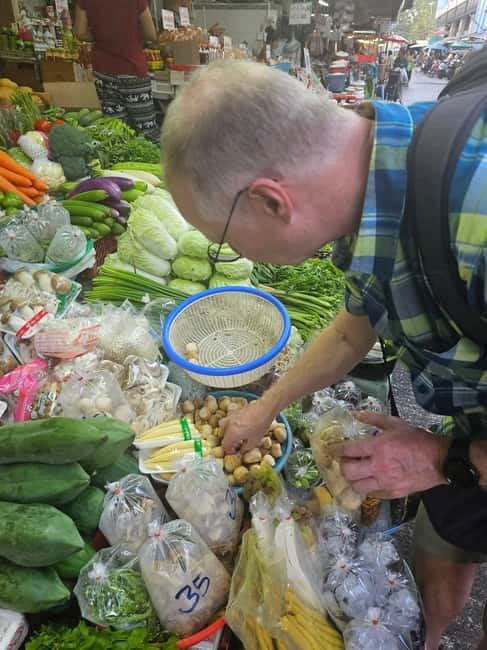
From the shrine, the group walks about 400 meters to Huai Khwang Market. That distance is short, but the walk and market visit still require comfortable shoes. You will see fresh vegetables, herbs, tropical fruit, spices, and ingredients that may not be familiar if Thai food is new to you.
This is one of the strongest parts of the experience. Instead of finding a premeasured basket of ingredients at the cooking house, you see the produce before it is prepared. Your guide can explain what each item does in a dish and help the group choose what is needed for the day’s menu.
The market is also where you get a better sense of Thai cooking as a daily practice. Herbs are not decorative extras. They help shape aroma, heat, sweetness, sourness, and balance. For you, that makes the later cooking lesson easier to understand because the ingredients have a place and purpose before they reach the wok.
More Cooking Classes in Bangkok:
- Local Ghanaian Cooking Class in Accra to help support wellness community center
★ 4.5 · 22 reviews - Beach day experience + Mexican Cooking Class + Massage
★ 4.5 · 21 reviews - Balinese Traditional Food Cooking Class with Ubud Monkey Forest and SPA
★ 5.0 · 6 reviews
Learning Thai herbs from market to garden
After shopping, you travel to Uncle and Aunty Cooking House. Transport from the market to the venue is included, and the return ride to MRT Huai Khwang Exit 4 is included at the end. One review describes a tuk tuk ride between the market and cooking house, though the supplied information does not promise that every class uses one, so treat that as a possible feature rather than a guarantee.
On arrival, you receive a herbal welcome drink. It is a small touch, but it sets the tone for the class. You are given time to refresh before the cooking starts, rather than being pushed straight from the market into a workstation.
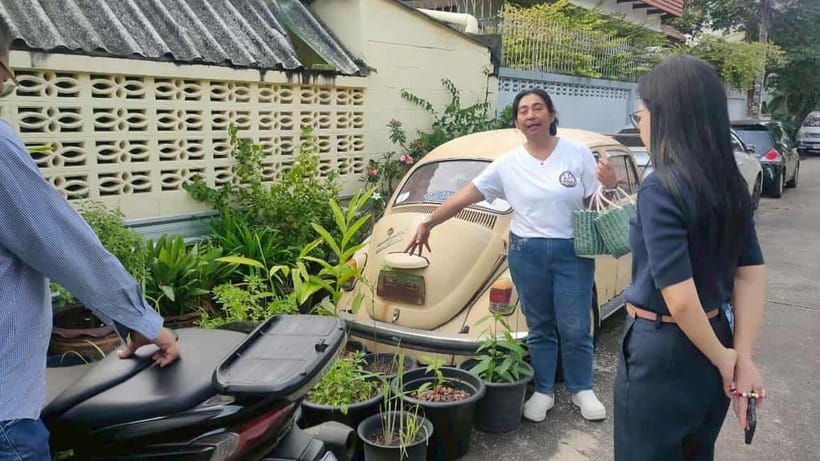
The cooking house has a garden filled with herbs and flowers. You walk through it with the instructor and see plants used in Thai cooking. The herb specialists and instructors explain their properties, giving you another look at ingredients you may have just seen at the market.
I like this two-part introduction. The market shows you how ingredients are bought, while the garden shows you where some of them come from and how they look before preparation. It also gives the morning a calmer pause between the busy market and the focused kitchen work.
The setting matters. This is a home-based experience, and the atmosphere is meant to be friendly and personal. Sunee and her family help create that family-style feeling. You should not expect a polished restaurant kitchen or a large professional training facility. The appeal is the close contact, relaxed pace, and chance to cook in a more domestic setting.
Making coconut milk and curry paste from scratch
At about 9:00 AM, the instructor introduces the ingredients selected at the market and picked from the garden. This is the point where the class moves from sightseeing into cooking technique.
You learn how to make coconut milk and curry paste from scratch. These are useful lessons because they explain two foundations of Thai food rather than treating curry as something that comes from a jar. The instructor also discusses the special properties of the herbs and other ingredients.
The class is taught in English or German, and step-by-step instruction is included. With only eight participants, you have a better chance to ask questions and receive help while working. That small group size is especially useful for tasks involving heat, chopping, mixing, or timing.
The scheduled cooking session begins around 10:00 AM. The work is organized around soup or stir-fry, salad, curry, and dessert. You make four dishes under supervision, then sit down to eat what you have prepared.
A small detail from the experience is worth noting: dessert may receive a little extra help from Sunee rather than being entirely prepared by each participant. That keeps the session moving and gives the group a shared dish to finish together. It also means the experience is hands-on without pretending that every part is an individual cooking exam.
Choosing your menu by the day of the week
The rotating menu is a major booking decision. You do not simply choose four dishes from a large list. The menu is tied to the day, so check it before committing to a date.
Monday brings Beef Panang Curry, stir-fried morning glory with red chili, poached eggs, fried chicken with Thai herbs, and Khanom Tom, traditional sweet coconut balls.
Tuesday features Tom Kha Gai, stir-fried tofu with bean sprouts, deep-fried pork with herbs, fried rice, and steamed pandan layer cake.
Wednesday includes hot and sour shrimp soup with mixed vegetables, stir-fried chicken with holy basil, Thai omelet, Thai-style fried noodles, and Kanom Tuay, a steamed coconut milk custard.
Thursday focuses on stir-fried bamboo shoot with curry paste, clear tofu soup, deep-fried pork belly with herbs, Chinese-style fried noodles, and steamed banana cake.
Friday offers chicken green curry, stir-fried kale with salted fish, fried chicken with garlic and pepper, stir-fried rice noodles with soy sauce, and a soft mung bean crepe.
Saturday is the day for Som Tum, spicy minced meat salad, hot and spicy soup, fried chicken with Thai herbs, and banana in coconut milk.
Sunday includes Tom Yum Gai, stir-fried Napa cabbage, stir-fried beef with red curry paste, stir-fried rice noodles with chicken, and poached pumpkin in coconut milk.
The menu list includes five items on several days, while the experience describes creating four dishes. That likely means some parts are prepared as shared or supported dishes, but you should confirm the exact cooking arrangement when booking. If you have your heart set on a particular dish, choose your date carefully.
The variety is useful. A curry fan may prefer Monday or Friday. Soup lovers have strong choices on Tuesday, Wednesday, Saturday, or Sunday. Saturday is appealing if you want Som Tum and a spicy minced meat salad. If you avoid meat or seafood, contact the provider at least 48 hours before the class about dietary restrictions and allergies.
A few more spa visits around Bangkok worth a look
- Bangkok: All-Day Pass to Yunomori Sathorn Onsen Bath and Spa
★ 4.6 · 103 reviews - Bangkok: Wat Pho Thai Massage in Your Hotel Room
★ 4.6 · 68 reviews - Hands-on Authentic Thai Massage Workshop
★ 5.0 · 45 reviews - Rest And Relax Massage – Traditional Thai Massage In Bangkok / Sukhumvit
★ 4.5 · 45 reviews
Eating together at 12:00 PM
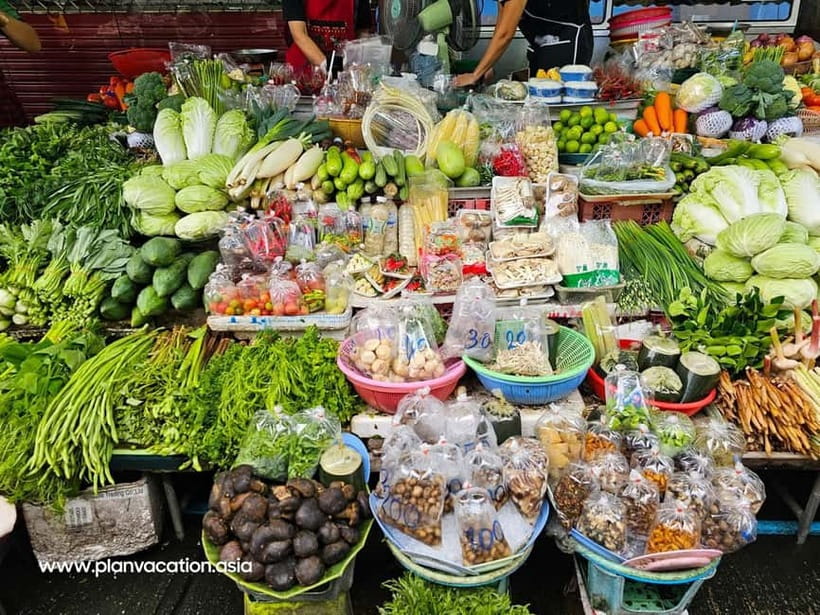
Around noon, the cooking stops and the meal begins. You eat the dishes together with the other participants, which gives the session a social finish. The food is not simply packed into containers and sent home. You get to taste the results while the techniques are still fresh in your mind.
The shared meal also helps you compare the different dishes. Thai cooking depends on balance, and tasting soup, curry, stir-fried food, salad, and dessert together gives you a better sense of how the flavors work as a group.
The class takes place in a friendly home setting, so this portion is likely to feel informal. That is a plus if you enjoy meeting people over food. It may be less suitable if you want a quiet private lesson or a highly structured professional course.
After the meal, the group shares the experience before returning to the meeting point at about 1:00 PM. You receive access to the recipes online and a certificate of completion. Photos were also part of the experience described by one participant, although the formal inclusions specifically promise the recipes and certificate, not a photo package.
What the $44 price actually covers
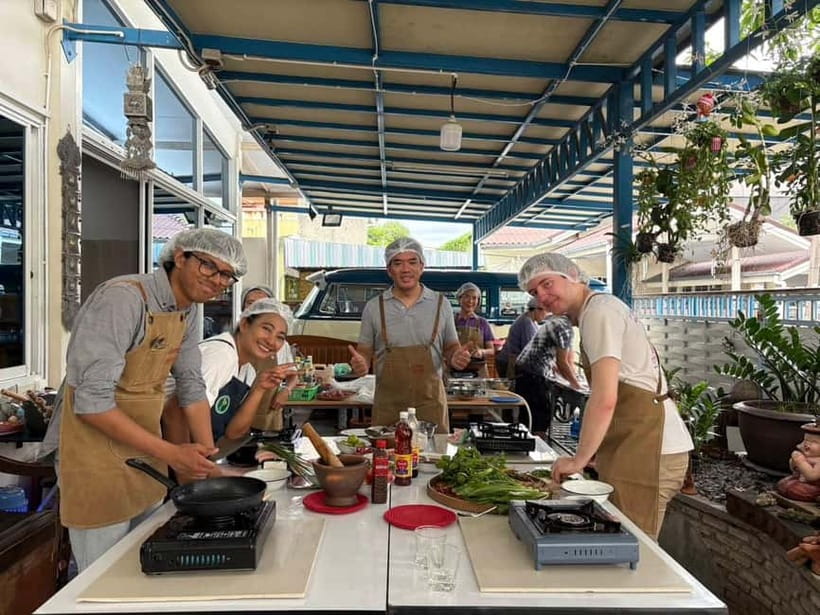
At $44 per person, the value is good if you plan to use the cooking lessons after returning home. The fee covers more than kitchen time. You receive a guided market visit, the garden tour, ingredients, equipment, English or German instruction, a meal, transport between the activity points, a digital recipe collection, a certificate, and travel insurance.
The market and garden add context that a cheaper demonstration class may not include. The small group also matters. With a maximum of eight people, the instructor can watch your work and help you adjust a technique instead of leaving you to follow along from the back of a crowded room.
The price does not include your ride to MRT Huai Khwang Station, personal purchases, snacks beyond the included meal, alcohol, or extra activities. Factor in the cost of reaching the station, especially if you are staying far from the MRT line.
You can cancel up to 24 hours ahead for a full refund, and the reserve-now, pay-later option keeps your plans flexible. Those terms are useful if your Bangkok schedule is still changing.
Who will enjoy this cooking class most
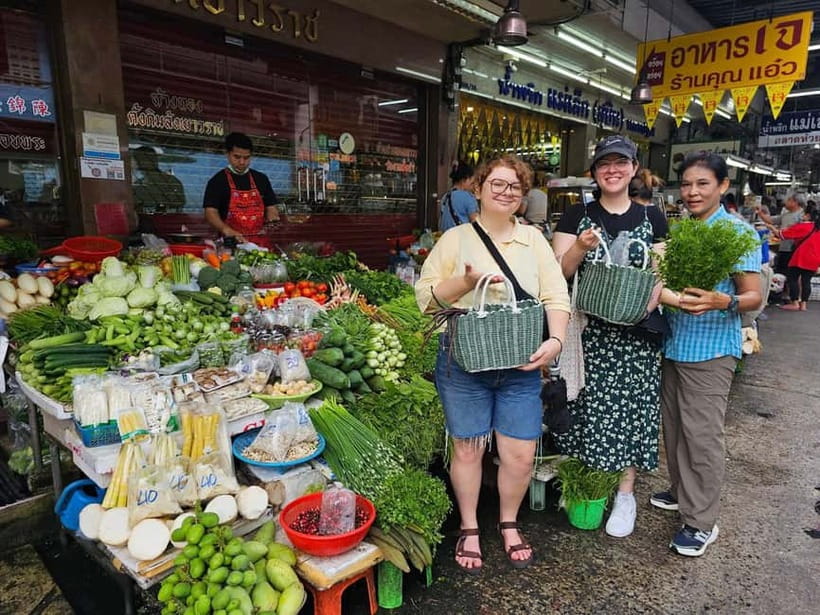
I would recommend this experience to you if you want active participation rather than a food demonstration. You shop, inspect ingredients, make curry paste and coconut milk, cook several dishes, and eat the results.
It is also a good fit for first-time visitors who want a modest introduction to Thai food and local daily life. The shrine, market, garden, and home kitchen create a clear half-day route without requiring a full-day excursion outside Bangkok.
Food-focused visitors will appreciate the changing menu. Return visitors may also like the chance to learn specific dishes they have eaten in Thailand. Families and couples can enjoy the personal setting, but younger children may find the walking, standing, and cooking routine tiring. The supplied information does not set a minimum age, so ask before booking with children.
You should think twice if you need a private class, dislike standing for extended periods, or have strict dietary needs that cannot be accommodated. The class involves moderate walking and cooking activity, and the daily menu includes meat, seafood, eggs, tofu, and salted fish on different days.
Practical tips for a smoother morning
Wear comfortable shoes because you will walk through the market and stand during the cooking session. Choose clothing that you do not mind wearing around food preparation and possible splashes.
Bring a passport or ID card, as requested for the activity. Notify the provider about allergies or dietary restrictions at least 48 hours before the class, not when you arrive at the market.
Check the menu before selecting your date. The difference between a green curry day, a Som Tum day, and a Tom Kha Gai day is substantial. If your schedule allows, let the menu guide your booking rather than treating the weekday as an afterthought.
Arrive early at MRT Huai Khwang Exit 4. The market visit is the opening piece of the class, not an optional add-on. A late arrival could cut into the shopping and ingredient lesson.
The class is available with a live guide in English or German. Confirm the language you need when booking, particularly if several departures are offered.
Should you book the Thai cooking and wellness experience?
Book it if you want a small, social, market-to-table cooking morning with real hands-on work and a home-style setting. The strongest features are the eight-person limit, the daily menu rotation, the ingredient shopping, and the chance to learn curry paste and coconut milk from the beginning.
I would choose the date based on the menu first, then make sure the walking and standing suit you. At $44, the class offers solid value because the fee includes the market, garden, cooking instruction, food, local transfers, recipes, and certificate.
Skip it if you want a private chef lesson, a fixed menu, or a class with no walking. For everyone else, this is a practical way to turn a Bangkok morning into a meal you can try to recreate at home.
FAQ
Where does the experience begin?
It begins at MRT Huai Khwang Station, Exit 4, where the guide will meet you.
Where does the experience end?
The activity ends back at MRT Huai Khwang Exit 4.
How long does the experience last?
The experience lasts five hours, with the stated schedule running from 8:00 AM to about 1:00 PM.
How many people are in the group?
The group is limited to eight participants.
What languages are available?
Live guides are available in English and German.
Is transportation included?
Transportation from the market to the cooking venue and from the cooking venue back to the first meeting point is included. Transportation to MRT Huai Khwang Station is not included.
What food will I cook?
The menu changes each day and may include dishes such as Pad Thai, green curry, Tom Yum soup, stir-fries, salads, fried rice, Thai omelets, and Thai desserts. Check the weekday menu before booking.
Are ingredients and cooking equipment provided?
Yes. The experience includes all ingredients and cooking equipment.
Can I tell the provider about allergies or dietary restrictions?
Yes. You should provide that information at least 48 hours before the tour.
What should I bring?
Bring a passport or ID card and wear comfortable shoes. Comfortable clothing suitable for walking and cooking is also recommended.
Just added around Bangkok
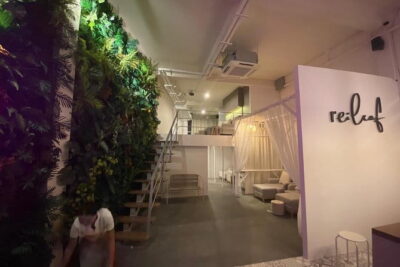
- re:leaf spa and massage★ 4.0 · 10 reviews
- Private Thai Warrior Massage Experience★ 4.5 · 3 reviews
- So Thai Relax Spa And Massage Package (2 Hours)★ 5.0 · 2 reviews
- Fun Tuk Tuk Dinner and Massage in Old Town Bangkok★ 5.0 · 7 reviews
- Rest And Relax Massage – Rejuvenate Thai Massage With Herbal Hot Compress★ 5.0 · 2 reviews
- So Thai Luxury Spa And Massage Package (4 Hours)★ 4.5 · 2 reviews
- Ultimate Spa Experience at Su Esthetic in Bangkok (2 hours)★ 5.0 · 25 reviews
- Hot Oil Massage (2hours)★ 5.0 · 3 reviews
Bangkok Massage and Spa, compared.
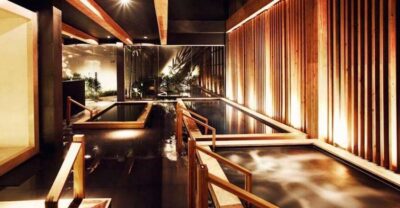
Bangkok: All-Day Pass to Yunomori Sathorn Onsen Bath and Spa
Read our review →
Bangkok: Wat Pho Thai Massage in Your Hotel Room
Read our review →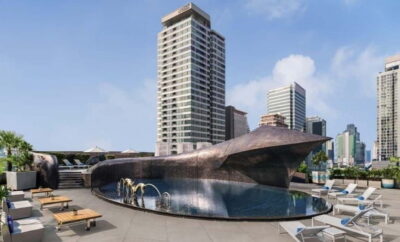
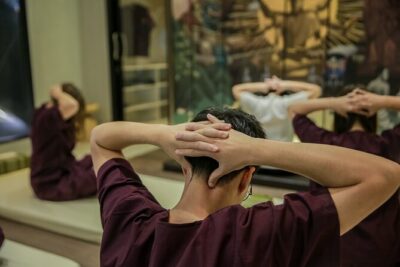
Rest And Relax Massage – Traditional Thai Massage In Bangkok / Sukhumvit
Read our review →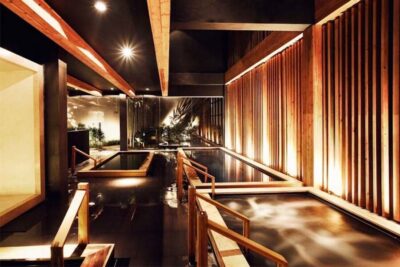
Bangkok: Yunomori Sukhumvit Onsen Hot Springs Spa Pass
Read our review →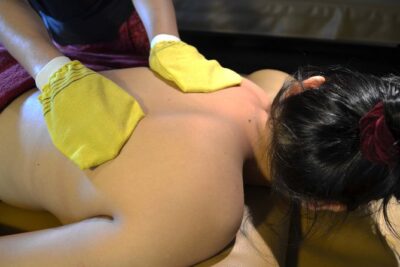
Ultimate Spa Experience at Su Esthetic in Bangkok (2 hours)
Read our review →
Where else this treatment appears