
Review · COOKING CLASSES
Local Ghanaian Cooking Class in Accra to help support wellness community center
Food is often the fastest route into local life. This Accra cooking class pairs a market visit with hands-on Ghanaian cooking, and I especially like the chance to shop for ingredients locally and support a wellness center that offers health, arts, nutrition, and youth programs. I also like the small-group format, which can mean more help from hosts such as Ms. Gifty, Auntie Irene, Ms. Pat, and their families. The main caution is that the advertised six-hour length may not match every session, with one participant reporting a class of about two hours and another expecting more hands-on preparation.
You meet at Global Wellness Mission on Third Oloti Street, then ride by car to a local market. After shopping, you return to prepare Ghanaian dishes such as fufu, banku, jollof rice, fried fish, chicken, and several soups or stews. The food and warm family welcome are the strongest reasons to book, but you should confirm the exact start time, class length, menu, and how much preparation you will personally do before paying.
Key points at a glance
- Market shopping comes first: You ride to a local market and help gather the ingredients for the meal.
- Several classic dishes are possible: Choose from fufu, banku, jiji, rice balls, jollof rice, fried fish, chicken, okra soup, groundnut soup, palm-nut soup, light soup, or plain soup, depending on the session.
- Akpeteshie-based spirits are included: Taste local drinks called Emergency, Hatso, and Uwuba, made with bark or tree leaves.
- Your booking supports a wellness center: Funds help programs in fitness, nutrition, health screening, art, dance, and after-school education.
- The human welcome earns the praise: Ms. Gifty, Auntie Irene, Ms. Pat, and other local hosts are singled out for warmth, patience, humor, and flexibility.
- Expect some variation: The experience is advertised at about six hours, but actual sessions may be shorter and may not include equal hands-on work for every dish.
Starting at Global Wellness Mission in Accra
The meeting point is Global Wellness Mission, CM7, Third Oloti Street, Accra. The activity begins and ends here, with transportation by car provided for the trip to the market.
The stated operating period runs from September 17, 2020, through June 18, 2026. Sessions are listed Monday through Saturday from 8:00 a.m. to noon, although the advertised duration is approximately six hours. That mismatch deserves attention. A morning window ending at noon does not naturally fit a six-hour activity, and one participant reported spending about two hours in the class.
I would contact Pat and Maggie before the day of the experience and ask three plain questions: What time should I arrive? How long will my session last? Which dishes will I actually prepare? Those answers will help you fit the class around airport plans, sightseeing, or an evening departure.
The group can include up to 20 people. That is still a manageable maximum for a cooking activity, but it is larger than the intimate family kitchen setting some people expect. The experience is described as a small-group activity, and several sessions appear to include close help from family members. Still, the amount of personal attention can depend on the final group size.
More Cooking Classes in the world:
- Beach day experience + Mexican Cooking Class + Massage
★ 4.5 · 21 reviews - Mini Group: Authentic Thai Cooking & Wellness Experience
★ 4.9 · 7 reviews - Balinese Traditional Food Cooking Class with Ubud Monkey Forest and SPA
★ 5.0 · 6 reviews
Riding to the local market
After meeting at the center, you travel by car to a local market to collect the ingredients for the cooking session. This is an important part of the experience, since you see the meal begin before anyone turns on a stove or starts pounding dough.
The market visit gives you a practical look at how Ghanaian meals are assembled. Instead of receiving a fixed plate with no context, you see the ingredients being selected for the soup, stew, starch, fish, chicken, or rice. The exact market and shopping route are not specified, so you should not expect a formal guided market tour with a set list of stops.
The transport matters, especially in Accra, where getting between neighborhoods can take time. You do not need to arrange a separate taxi for the market portion. At the end, you return to the original meeting point.
Choosing your Ghanaian dishes
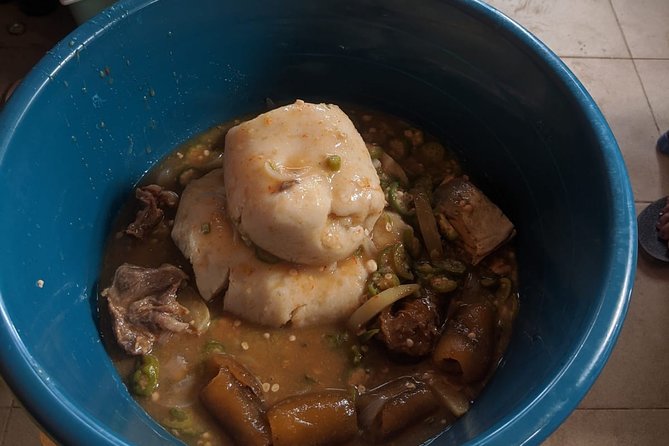
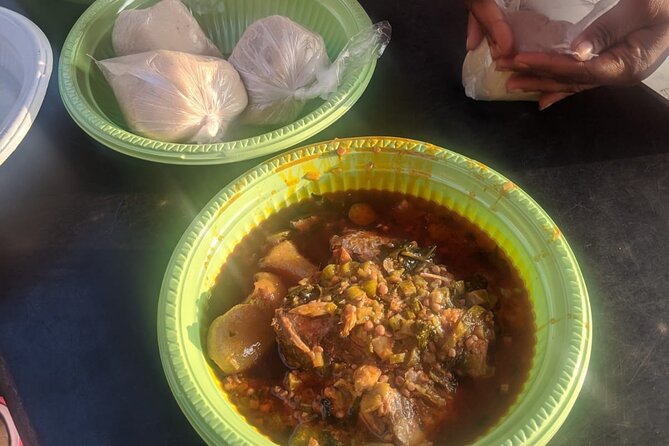
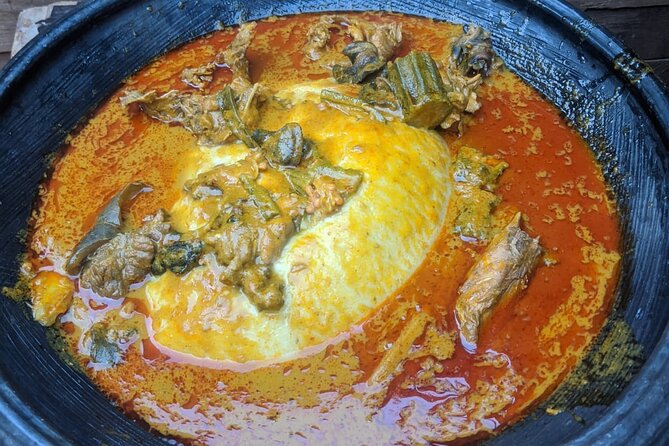
The menu has a useful range of textures and cooking methods. You may learn to pound fufu, prepare banku, make jiji or rice balls, and cook a soup or stew to serve with them. The listed soups include okra soup, groundnut soup, palm-nut soup, light soup, and plain soup.
Some sessions also feature jollof rice, fried fish, chicken, and stew. One particularly happy account describes learning banku, fried fish, stew, chicken, and jollof rice with Auntie Irene, with the jollof rice receiving special praise. Another session focused on fufu with soup. These examples show that the menu can change, rather than following one rigid recipe every time.
That flexibility is useful if you already know what you want to taste. It can also create uncertainty if you book with one dish in mind. Ask in advance if you have your heart set on jollof rice, banku, fufu, or okra stew.
Dietary requests can be accommodated on request. Do not wait until the cooking begins. Tell the provider when booking, then confirm again before the class so the ingredients and preparation can be planned properly.
Pounding fufu and making the starch
The starch portion is where the class can become genuinely hands-on. Fufu, banku, jiji, and rice balls are not interchangeable side dishes. They bring different textures and preparation methods, and they are central to how the soup or stew is eaten.
The description specifically includes learning how to pound fufu. That gives you a chance to take part in a familiar Ghanaian kitchen task rather than simply watching a cook finish the meal. The class may also include preparing banku or another starch chosen with your soup.
Here is where expectations need care. One participant felt that much of the ingredient preparation had already been completed and wanted more direct involvement. If you want to chop, pound, stir, season, and shape every component, ask how much of the prep will be done before you arrive.
That is not necessarily a flaw for everyone. Some people want cultural explanation, friendly conversation, and a good meal without spending hours on knife work. Others book a cooking class mainly to practice. This experience can suit the first group better unless you confirm a more active format.
A few more spa visits around the world worth a look
- Ubud: Wellness Retreat with Massage, Yoga Class, and Lunch
★ 4.8 · 93 reviews - Marrakech Hammam, Massage & Berber Carpet Weaving Workshop
★ 4.6 · 48 reviews - Hands-on Authentic Thai Massage Workshop
★ 5.0 · 45 reviews - TULA Wellness Half Day Experience with Yoga Class
★ 5.0 · 19 reviews
Tasting local akpeteshie spirits
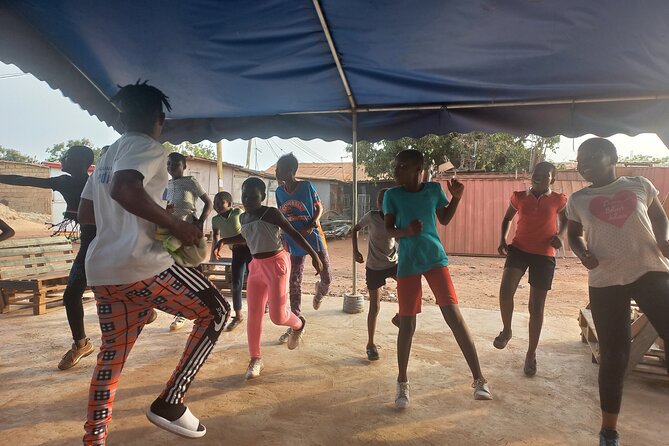
Before or during the cooking, you may taste locally made spirits called Emergency, Hatso, and Uwuba. They are made from akpeteshie and soaked with local bark or tree leaves.
This adds a distinctly Ghanaian element that you will not get from a standard cooking lesson. The drinks are part of the host’s local welcome and give the meal a stronger sense of place. Alcoholic beverages are included in the price.
You should treat this portion as optional if you do not drink alcohol. The information provided does not specify nonalcoholic replacements. Beer and soda are not included, so bring that preference up before the session if it matters to you.
Because the activity is held in the morning, the spirits may not suit everyone. You can enjoy the cooking and shared meal without making the tasting the center of the day. The important point is that the drinks are included, but they are not the whole experience.
Cooking with Gifty, Irene, Pat, and local families
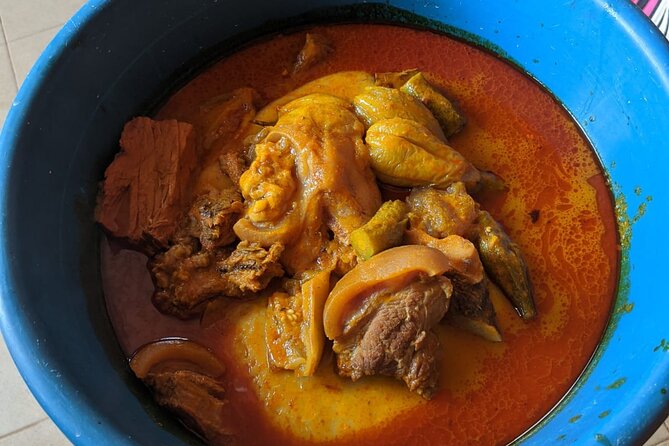
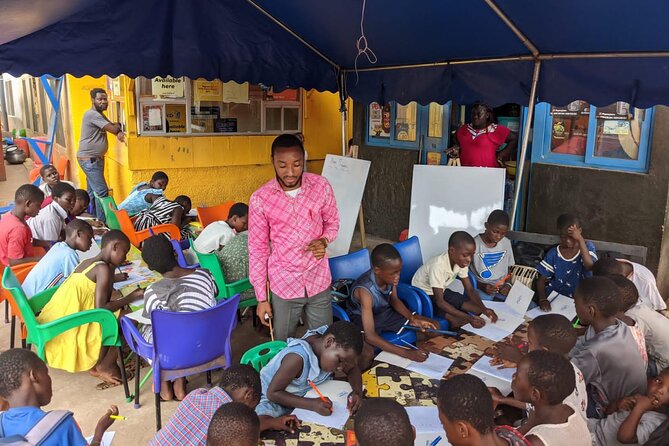
The best part of this experience is its personal scale. The hosts are not presented as a distant demonstration team. Sessions may involve local women and family members cooking alongside you, explaining steps, answering questions, and sharing conversation.
Ms. Gifty receives praise for making sure a participant understood each step and for adapting the meal to personal preferences. Auntie Irene is associated with a session featuring banku, fried fish, stew, chicken, and jollof rice. Ms. Pat and her family are described as warm and welcoming, with plenty of conversation and laughter.
The names matter because they show the character of the activity. This is not only about learning recipes. You may spend time with a host’s family, hear informal stories, and watch the work unfold in a neighborhood setting. Another participant appreciated the guide’s flexibility and communication, while someone else received help connecting with a local seamstress.
Those personal touches cannot be guaranteed in every session, but they are part of the experience’s appeal. If you prefer a polished demonstration in a commercial kitchen, this may feel informal. If you want a local welcome and do not mind some variation, the setting should feel more rewarding.
Eating the meal you helped prepare
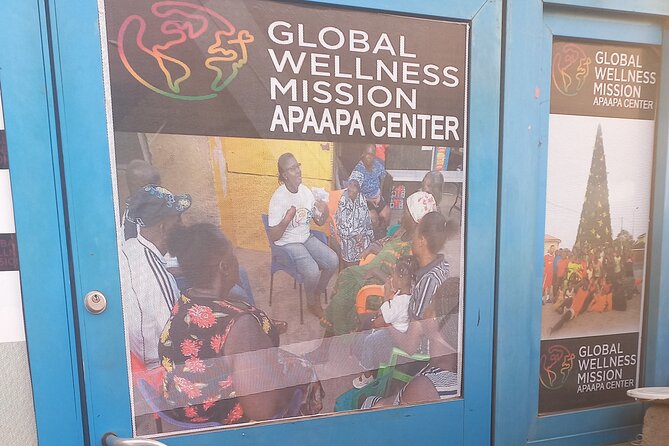
Lunch is included, and the meal is the payoff for the shopping, pounding, stirring, and tasting. You eat the Ghanaian food prepared during the session, then return to the meeting point afterward.
The strongest food praise goes to the jollof rice, though fufu, soup, banku, fish, chicken, and stew also receive positive attention. Several accounts describe leaving full and happy after a meal shared with the hosts.
Do not expect a restaurant-style tasting menu. The point is to eat the dishes you helped make, in the same social setting where they were prepared. Portions, menu combinations, and presentation may vary by host and by the chosen dish.
The meal also gives you a chance to ask questions while the flavors are fresh. You can learn how the starch is paired with soup, how the stew is seasoned, and which part of the process gives each dish its texture. That conversation may be as useful as the recipe itself.
What the $45 price really buys
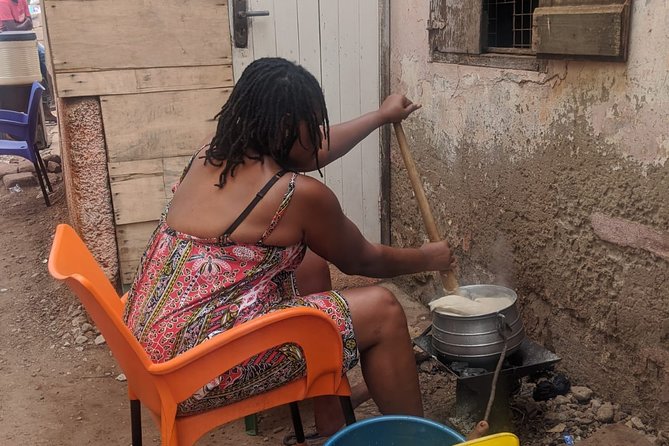
At $45 per person, the price is reasonable if you value more than lunch. It includes transportation to the market, ingredients, instruction, the meal, and local spirits. You also support the Global Wellness Mission, which offers physical activity programs, nutrition education, after-school lectures for children, health screenings, art, and dance programs.
That community connection changes the value calculation. You are not simply paying for a cooking lesson and a plate of food. Your booking helps fund a local center with programs that reach beyond the kitchen.
The price becomes less attractive if you want a long, highly structured class with every ingredient prepared in front of you. The reported two-hour session is important here. A short, warm cooking visit can still be worthwhile, but it is different from a full six-hour culinary workshop.
The best value comes when you want three things at once: a local meal, a chance to cook Ghanaian food, and a way to support a community project. If you care only about technical cooking instruction, confirm the format first.
Timing, group size, and practical planning
The experience is offered Monday through Saturday, with the listed opening hours from 8:00 a.m. to noon. It accepts mobile tickets, confirmation is received at booking, and service animals are allowed. The meeting point is near public transportation, and the activity returns there at the end.
The class can accommodate a maximum of 20 people. If you are traveling with a larger family or group, that limit is useful to know. If you prefer a quieter kitchen, ask how many people are booked for your date.
The activity is booked an average of 36 days ahead, so popular dates may fill early. That is especially relevant if your Accra schedule is fixed. At the same time, the cancellation policy is forgiving: you can cancel for a full refund up to 24 hours before the start time. Changes or cancellations inside that 24-hour window are not accepted for a refund.
The activity is available for people with dietary requests when those are made in advance. Service animals are allowed. Other accessibility details are not provided, so you should ask directly about the market, car transfer, kitchen setup, and any physical tasks if those affect your plans.
The main strengths and the honest drawbacks
The experience earns its best marks for human warmth, food, and cultural contact. I would give special weight to the repeated praise for the hosts. Gifty’s patience, Irene’s cooking instruction, and Pat’s family welcome suggest that the people running the class are the heart of the day.
The community benefit is another real strength. Your booking supports programs for health, nutrition, children, art, dance, and exercise. That gives the meal a clear local purpose.
The weak point is consistency. One person expected a more hands-on class and found that ingredients had already been prepared. Another reported a session lasting about two hours rather than the advertised six. There is also one serious account of a no-show and poor follow-up communication.
That single bad experience should not erase the many positive accounts, but it does justify practical caution. Confirm your booking shortly before the date, save the meeting address and provider contact details, and avoid placing an important flight or timed tour immediately after the class.
Should you book this Accra cooking class?
You should book it if you want a friendly, community-based introduction to Ghanaian food and you are happy with an informal format. The best match is someone who values local conversation, family hospitality, a market visit, and a meal more than a formal culinary certificate.
I would also recommend it to visitors who want to support a local wellness center while spending time away from Accra’s usual sightseeing circuit. The included food, car transfer, and spirits make $45 a fair price, especially when the community contribution is part of your decision.
I would hesitate if your main goal is a long technical workshop with guaranteed knife work, exact recipes, and a fixed six-hour schedule. Contact Pat and Maggie first, confirm the menu and hands-on tasks, and ask for the expected end time.
With those details settled, this can be one of the more personal food experiences in Accra. You may leave with a new favorite dish, a better sense of how Ghanaian meals come together, and a full stomach earned by your own effort.
FAQ
Where does the cooking class meet?
The meeting point is Global Wellness Mission, CM7, Third Oloti Street, Accra, Ghana.
Where does the activity end?
The activity ends back at the original meeting point.
How long does the experience last?
The advertised duration is approximately six hours, but one participant reported a session of about two hours. Confirm the expected length before booking.
What days and times is it offered?
It is listed Monday through Saturday, with opening hours from 8:00 a.m. to noon.
Is transportation included?
Yes. Transportation by car is provided from the meeting point to the local market, and you return to the meeting point afterward.
What foods might I learn to prepare?
Possible dishes include fufu, banku, jiji, rice balls, jollof rice, fried fish, chicken, stew, okra soup, groundnut soup, palm-nut soup, light soup, and plain soup.
Are alcoholic drinks included?
Yes. Local spirits are included. The drinks listed are Emergency, Hatso, and Uwuba, all made from akpeteshie and soaked with local bark or tree leaves.
Are soda and beer included?
No. Soda and beer are not included.
Can dietary requests be accommodated?
Yes, dietary requests can be accommodated when made upon request. Provide the details before the class.
How many people can join?
The activity has a maximum of 20 travelers.
Can I cancel for a full refund?
Yes. You can cancel at least 24 hours before the experience start time for a full refund. Cancellations or changes made less than 24 hours before the start time are not refunded or accepted.
Just added around the world
- Hoi An: Ylang Ylang Spa Experience (Free pick up for 2pax++)★ 4.5 · 17 reviews
- Zell am See: Tauern SPA Day Ticket for Water World★ 4.5 · 9 reviews
- Zermatt: Private Night Spa★ 5.0 · 3 reviews
- Watersport Bali: Banana Boat, Parasailing, JetSki + Spa Bali★ 4.3 · 3 reviews
- Xi’an: Traditional Chinese Massage or Spa with Meal★ 4.7 · 13 reviews
- Yoga And Balinese Massage Home Services★ 5.0 · 3 reviews
- Valencia: Spa Cobre 29 Wellness Experience at Hotel Meliá★ 4.5 · 37 reviews
- Valletta: Private Massage from a world renowned masseuse★ 4.6 · 9 reviews
Cooking Classes, compared.
Beach day experience + Mexican Cooking Class + Massage
Read our review →
Mini Group: Authentic Thai Cooking & Wellness Experience
Read our review →
Balinese Traditional Food Cooking Class with Ubud Monkey Forest and SPA
Read our review →
Hoian Cooking Class And Foot Massage Private Tour
Read our review →
Authentic Thai Cooking Class by Suuko Wellness Spa
Read our review →
Half Day Ride Bike To The Farm and Cooking Activity with Foot Massage
Read our review →
Where else this treatment appears