
Review · CHINA
Private Distinctive Market Tour with Shaomai Lunch and Full Massage in Beijing
Beijing’s best shopping stories are found in its markets. This private eight-hour outing links Panjiayuan Ghost Market, Hongqiao Pearl Market, and Liulichang Culture Street with a traditional shaomai lunch and a 100-minute foot and body massage. I especially like the private guide and included transport, which make a busy day easier to manage, and the mix of antiques, pearls, books, art, and food feels more distinctive than a standard sightseeing loop. The main consideration is the $231 price per person, which is high if you only want market browsing.
You get hotel pickup and drop-off, a driver, lunch, snacks, beverages, and a guide for your own group of up to six people. Guides Serena and Sang Yu, also called Ms. Maria, received especially warm praise for excellent English, friendly service, and clear explanations of Chinese food and daily life. The flexible, personal format is a strong fit if you want help shopping and translating, but less so if you prefer to wander alone or bargain without a set schedule.
Key points at a glance
- Three very different markets: Compare antiques and handicrafts at Panjiayuan, pearls at Hongqiao, and books, calligraphy, paintings, and brushes at Liulichang.
- A 100-minute traditional massage: The package includes 40 minutes of foot massage and 60 minutes of whole-body massage, plus tea and fruit.
- Historic shaomai lunch: Eat at Duyichu Restaurant, founded in 1738 during the Qing Dynasty, with vegetarian food available by request.
- Private group of up to six: You do not share the tour with strangers, and a private guide can adapt explanations to your interests.
- Hotel pickup and drop-off included: The day begins at 9:00 am from your hotel lobby and includes private transport.
- Good English guidance: Serena and Sang Yu, also known as Ms. Maria, were singled out for friendly, efficient, and polished guiding.
Why this Beijing tour feels different
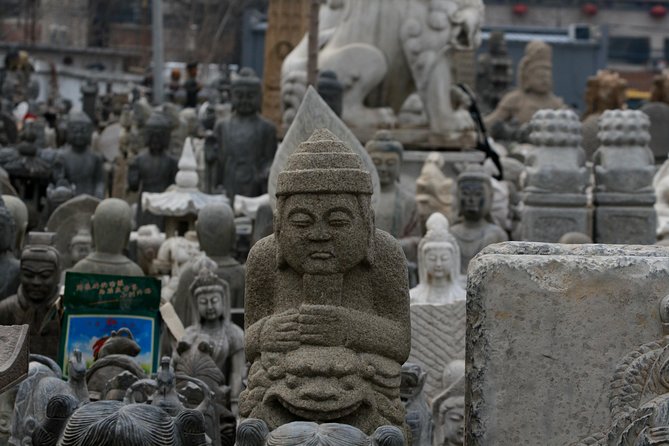
Many Beijing tours concentrate on grand sights, such as imperial buildings, temples, or sections of the Great Wall. This one takes a more ordinary and useful route through places where objects are bought, sold, examined, and discussed. I like that change of pace. You see a side of the city built around trade, craft, food, and small discoveries.
The tour also avoids making shopping the entire point. You move between three markets with different personalities, stop for a famous local dish, and finish with a long massage. That gives the day a clear rhythm: browse, eat, rest, and continue.
At $231 per person, this is not a budget market outing. The price makes more sense for people who value a private vehicle, hotel transfers, an English-speaking guide, lunch, and the massage. If you are traveling with several people, the private arrangement may feel more reasonable because the group can include up to six people while keeping the experience limited to your party.
A few more spa visits around China worth a look
- Hurghada: Royal Orange Bay with Massage, Snorkeling & Lunch
★ 4.9 · 363 reviews - Rovaniemi: Daylight Forest spa,outdoor hot tubs and lunch
★ 4.8 · 295 reviews - Hurghada:Luxury Diving & Snorkeling inc/Island/Lunch/Massage
★ 4.8 · 159 reviews
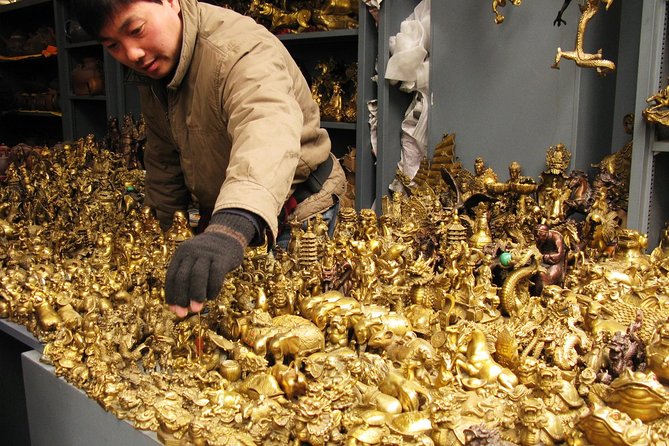
Panjiayuan Ghost Market and its 4,000 stalls
Your day begins at 9:00 am, with pickup in your hotel lobby. The first stop is Panjiayuan Ghost Market, a large open market spread over about 2.4 acres, or 5 hectares, with more than 4,000 stalls.
The name sounds more dramatic than the shopping itself. The focus here is antiques, art, handicrafts, and second-hand goods. You might find old-looking decorative pieces, small artworks, craft items, and objects that reward slow browsing rather than a quick photo stop.
This is where a private guide can make a real difference. A guide can explain what you are looking at, help with communication, and give context for Chinese objects and handicrafts. You should still treat any purchase as a personal choice, not as a guaranteed investment. The tour description presents Panjiayuan as a place to browse and shop, not as a formal antiques appraisal service.
I would allow yourself time to look closely. A market with thousands of stalls can feel like a flood of objects, especially if you try to inspect everything. Instead, use this stop to notice materials, motifs, brushwork, and the range of old and new goods. If you are buying, ask your guide to help you understand the item and the conversation with the seller.
Panjiayuan is likely the most energetic shopping stop on the day. It can also be the least predictable. You may love the surprise of finding something unusual, but you should not expect a museum-style display or neatly labeled exhibits.
Hongqiao Pearl Market and the art of browsing
The next market is Hongqiao Pearl Market, one of Beijing’s two major dirt markets according to the tour information. It is best known for Chinese South Ocean Pearl, so this stop shifts the focus from general antiques and handicrafts to jewelry and other goods.
Pearls are the clear reason to visit. You can compare shapes, sizes, and styles, while your guide helps with basic communication and shopping questions. The word market matters here. This is a place for looking, comparing, and making choices, not a guided lecture about jewelry.
I appreciate the contrast with Panjiayuan. At the first market, you may be drawn toward objects with age or character. At Hongqiao, the appeal is more direct: inspect pearls, compare items, and decide what suits your budget. If you do not plan to buy jewelry, you can still treat the stop as a look at one of Beijing’s well-known commercial markets.
You should keep your expectations measured. The supplied information does not promise gem certification, formal valuations, or a particular shopping allowance. The private guide is useful for navigation and communication, but you remain responsible for deciding what to purchase.
Liulichang Culture Street and traditional Chinese arts
The final market stop is Liulichang Culture Street, known for ancient books, calligraphy, paintings, brushes, ink stones, and other traditional Chinese handicrafts. For me, this is the most focused stop for anyone interested in Chinese art or writing.
Liulichang has a different feel from a large general market. The subject matter is more closely tied to traditional cultural practices. You can look at calligraphy tools, painting materials, old books, and decorative work. The tour also includes the chance to watch painting and calligraphy demonstrations, giving you a better sense of how the objects relate to actual artistic practice.
This is a good place to slow down. Even if you are not shopping, brushes and ink stones tell you something about the craft behind Chinese painting and calligraphy. A guide can explain the purpose of unfamiliar tools and help you connect the objects to Chinese cultural traditions.
The three markets work well together because each asks you to look in a different way. Panjiayuan is broad and unpredictable. Hongqiao is centered on pearls and shopping. Liulichang is more specialized, with books, painting, calligraphy, and related crafts. You get variety without spending the entire day in one commercial area.
Same place, a different way to unwind:
- Shanghai:Authentic Chinese Body/Foot Massage, Hair& Head SPA
★ 4.9 · 76 reviews - Shanghai Guided Royal Banquet Photo (Incl) with Massage Opt
★ 5.0 · 47 reviews - Beijing : SHUIGUO luxury SPA & Recreation Club day ticket
★ 4.5 · 27 reviews - 7-Day TaiChi & Qigong Wellness Retreat in China
★ 5.0 · 20 reviews
Shaomai at Duyichu Restaurant, founded in 1738
Lunch is served at Duyichu Restaurant, a restaurant founded in 1738 during the Qing Dynasty. The featured dish is shaomai, a type of dumpling, with other dishes and vegetables available to order.
This is more than a convenient meal break. Shaomai gives the market day a clear food focus, and eating at a restaurant with such a long history adds context to the dish. You are not simply grabbing a generic lunch between stops. You are trying a named Beijing specialty in a restaurant connected to the city’s older food traditions.
The meal includes lunch, and vegetarian food is available if you advise the operator when booking. The information also says snacks and beverages are included. If you have specific dietary needs beyond vegetarian food, you should confirm them before the tour, since only the vegetarian option is specifically promised.
Duyichu is likely to suit you if you enjoy sampling local food without having to solve the restaurant logistics yourself. If you are a very selective eater, remember that shaomai is the central feature of the meal, although additional dishes and vegetables can be ordered.
The timing deserves attention. The tour information places the massage before lunch, while the market stops are described in a particular order. Since the day includes several moving parts, your guide will manage the exact flow. I would not plan a separate midday appointment that depends on finishing at a precise minute.
The 100-minute foot and whole-body massage
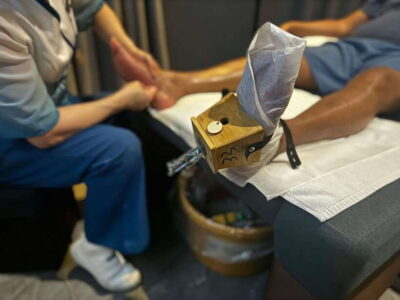
The massage is the tour’s unusual extra. It lasts 100 minutes in total: 40 minutes of foot massage followed by 60 minutes of whole-body massage. Tea and fruit are also provided.
After market browsing, this can be a welcome pause. The foot treatment gives you time to rest, and the longer body massage makes the experience feel like more than a quick tourist stop. Traditional Chinese decoration adds to the setting, according to the tour details.
The split is useful because it gives you two distinct treatments rather than one short session. The foot massage takes less than half the total time, while the whole-body portion receives the larger share.
You should make sure this format suits you before booking. The service is described as a foot and whole-body massage, not as a medical treatment or a customized spa program. If you dislike massage, have physical limitations, or prefer a shorter session, this may be the least appealing part of the itinerary.
For people who enjoy spa treatments, the massage helps justify the price. It is also the feature that separates this outing from a normal Beijing shopping tour. You can spend part of the day looking at objects and part of it simply resting.
Private guiding, transport, and the value of the price
The tour costs $231 per person and lasts about eight hours. That figure covers more than admission to markets. It includes a private guide, private transport, hotel pickup and drop-off, lunch, snacks, beverages, and the 100-minute massage.
I would judge the value by how much support you want. If you are comfortable using local transport, communicating in markets, choosing restaurants, and arranging a massage yourself, you can likely create a less expensive day. The price is harder to justify for a solo budget visitor focused only on browsing.
For a small group, the calculation changes. Up to six people can book together, and only your group participates. You are paying for convenience and attention, not just for entry into the markets. An English-speaking guide can explain food, art, shopping customs, and daily life as you go.
The strongest part of the service is the guiding. Serena was praised for excellent English, efficiency, friendliness, and the time she took to explain China, food, and daily life. Sang Yu, also called Ms. Maria, was praised for impeccable English, strong guiding, and taking her client through markets that showed a slice of everyday life. Those details matter because this tour depends on conversation. You want a guide who can do more than point toward the next stall.
Hotel pickup and drop-off also save energy. Beijing is a large city, and a full day of markets, food, and massage can become tiring if you have to arrange every transfer yourself. The included driver keeps the day moving, though traffic and market timing can affect the pace.
Who should book this experience?
I would recommend this tour to you if you want a private introduction to Beijing shopping and culture without handling the transport. It works especially well for first-time visitors who want market time but also need help understanding what they see.
It is a good match for:
- Small groups of friends or family
- Visitors who want a private English-speaking guide
- People interested in antiques, crafts, pearls, books, or calligraphy
- Anyone who likes combining sightseeing with a long massage
- Diners who want to try shaomai in a historic restaurant
- Visitors who value hotel pickup and drop-off
I would be more cautious if your main goal is major Beijing architecture or famous historical sites. This itinerary is about markets, food, and relaxation. It also may not suit you if you dislike shopping areas, do not want a massage, or prefer an unstructured day.
The group limit of six is helpful. A private party can ask questions freely and spend more time at the market that interests it most. Still, the tour is an arranged eight-hour experience, not an open-ended day with unlimited time at every stall.
What to know before you book
The start time is 9:00 am, and pickup is offered from your hotel. Confirmation is provided at booking, and most people can participate. The experience is private, with only your group taking part.
Tell the operator about a vegetarian meal when you book. That is the dietary option specifically listed. You should also keep the start time and local cancellation deadline in mind: free cancellation is available up to 24 hours before the experience begins. Cancellations or changes made within 24 hours are not accepted for a refund.
The tour has a rating of 5 from two reviews, with the strongest praise directed at the guides, their English, their friendliness, and their ability to explain Chinese life beyond the basic sightseeing script. That is useful evidence, but it is still a small review sample. I would put the most weight on the clearly defined inclusions and on whether the itinerary matches your interests.
Should you book this Beijing market tour?
Book it if you want a private, well-supported day that combines three distinct markets with shaomai and a full massage. The best value comes from the included driver, hotel transfers, guide, meal, and long treatment, especially when shared by a small group.
Skip it if you want a low-cost market visit, major monuments, or complete freedom to set your own pace. At $231, the tour earns its price through comfort and personal attention rather than through landmark admission. For the right visitor, it is a practical way to see a more commercial and artistic side of Beijing, with a good meal and tired feet taken care of along the way.
FAQ
What is included in the private Beijing market tour?
The tour includes a private guide, transport, hotel pickup and drop-off, lunch, snacks, beverages, and a 100-minute massage.
How long does the experience last?
The tour lasts approximately eight hours.
What time does the tour start?
The scheduled start time is 9:00 am.
How many people can join one booking?
A maximum of six people can join one booking, and only your group participates.
Which markets does the tour visit?
The tour visits Panjiayuan Ghost Market, Hongqiao Pearl Market, and Liulichang Culture Street.
What can you see at Panjiayuan Ghost Market?
Panjiayuan has more than 4,000 stalls selling antiques, art, handicrafts, and second-hand goods.
What is special about Hongqiao Pearl Market?
Hongqiao is known for Chinese South Ocean Pearl and is described as one of Beijing’s two major dirt markets.
What can you find at Liulichang Culture Street?
Liulichang is known for ancient books, calligraphy, paintings, brushes, ink stones, and other traditional Chinese handicrafts. Painting and calligraphy demonstrations may also be seen.
What does the massage include?
The massage lasts 100 minutes, with 40 minutes of foot massage and 60 minutes of whole-body massage. Tea and fruit are included.
Is a vegetarian meal available?
Yes. A vegetarian option is available, but you should request it when booking.
More Shopping Tours in China
- Montego Bay: Bamboo Rafting with Limestone Massage & Shopping
★ 4.5 · 28 reviews - Customized Happy Hour Bamboo Rafting+Limestone Massage + Shopping
★ 5.0 · 22 reviews - River Rafting Limestone Massage and Shopping Tour in Montego bay
★ 5.0 · 5 reviews - Laem Chabang Shore Excursion : Shopping, Massage & Food Tasting
★ 4.0 · 5 reviews
Just added around China
- Xi’an: Traditional Chinese Massage or Spa with Meal★ 4.7 · 13 reviews
- Xitang Water Town Private Tour from Shanghai with Hot Spring Spa Experience★ 5.0 · 2 reviews
- Small-Group Gong Relaxation Experience in Hong Kong★ 5.0 · 5 reviews
- Stone Spa Experience Package★ 5.0 · 2 reviews
- Chongqing Luxury Hot Spring and Massage Luxury Meal Private Tour★ 5.0 · 6 reviews
- 3-Day Beijing Tour Tai Chi, Peking Duck, Hotpot and Spa★ 5.0 · 3 reviews
- Chongqing: Active Wellness, Monorail, and Hidden Gems Tour★ 5.0 · 2 reviews
- Chengdu: Sichuan Opera Show & Covered Bowl Tea & Massage★ 4.5 · 13 reviews
China Massage and Spa, compared.
Shanghai:Authentic Chinese Body/Foot Massage, Hair& Head SPA
Read our review →
Shanghai Guided Royal Banquet Photo (Incl) with Massage Opt
Read our review →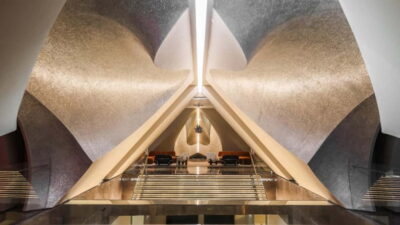
Beijing : SHUIGUO luxury SPA & Recreation Club day ticket
Read our review →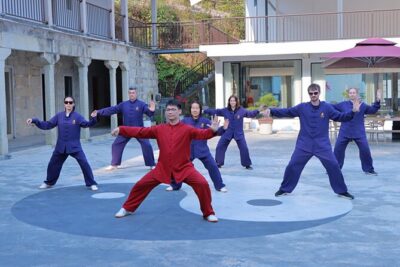
7-Day TaiChi & Qigong Wellness Retreat in China
Read our review →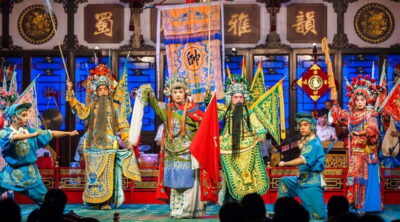
Chengdu: Sichuan Opera Show & Covered Bowl Tea & Massage
Read our review →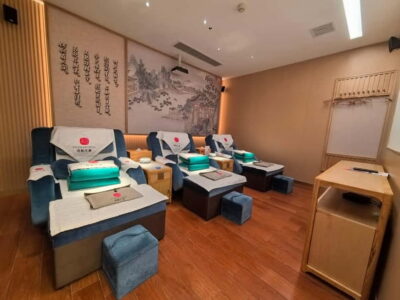
Xi’an: Traditional Chinese Massage or Spa with Meal
Read our review →
Chongqing Luxury Hot Spring and Massage Luxury Meal Private Tour
Read our review →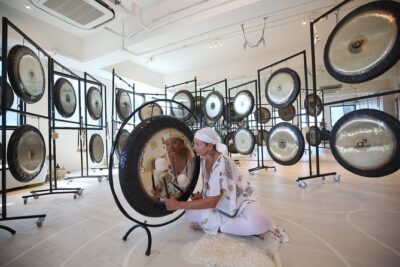
Small-Group Gong Relaxation Experience in Hong Kong
Read our review →Where else this treatment appears