
Review · CHINA
7-Day TaiChi & Qigong Wellness Retreat in China
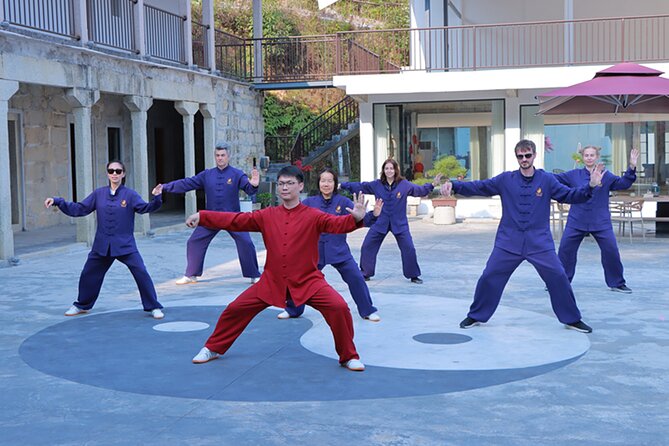
Slow movement, serious teaching, real China. This seven-day retreat at FangYuan TaiChi Centre combines Tai Chi and Qigong training with Chinese cultural exchange, shared meals, and seven nights of accommodation. I like the small maximum group of 10 and the chance to study directly with Master Ping, whose teaching is praised for its precision, patience, and traditional approach. The $100 price also appears remarkably low for a week with lodging and three daily meals, so confirm exactly what is covered before paying.
I also like that the program suits complete beginners, yet still offers enough depth for experienced practitioners. You study in English, learn the Eight Brocade Qigong sequence and 10 easy Tai Chi forms, and receive a completion certificate. The main consideration is the schedule: this is a training retreat, not a sightseeing tour, and private transportation is not included.
Key points to know before booking
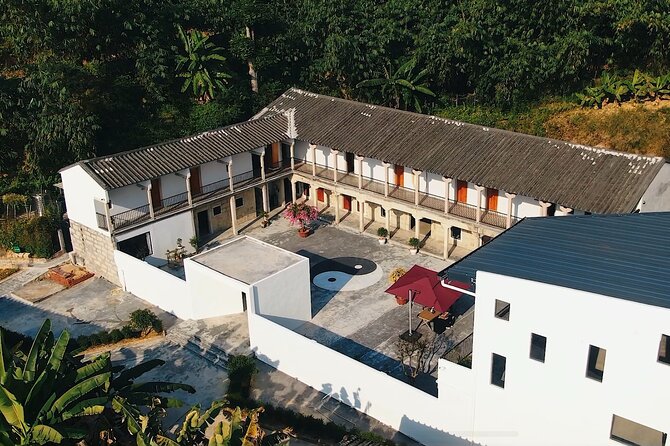
- Master Ping leads an English-language program: The teaching focuses on technique, breathing, mindfulness, and the philosophy behind the movements.
- Seven nights and three meals are included: You stay at the center and eat Chinese food with some home-style comforts.
- The course is beginner-friendly: No previous Tai Chi or Qigong experience is required.
- The group is limited to 10 people: That gives the instruction a more personal feel than a large wellness holiday.
- Jieyang Chaoshan Airport is the starting point: Pickup is offered, but private transportation beyond the stated arrangements is not included.
- The training is practical and focused: You cover Qigong history, stretching, Eight Brocade Qigong, and 10 simple Tai Chi forms.
What this seven-day retreat is really about
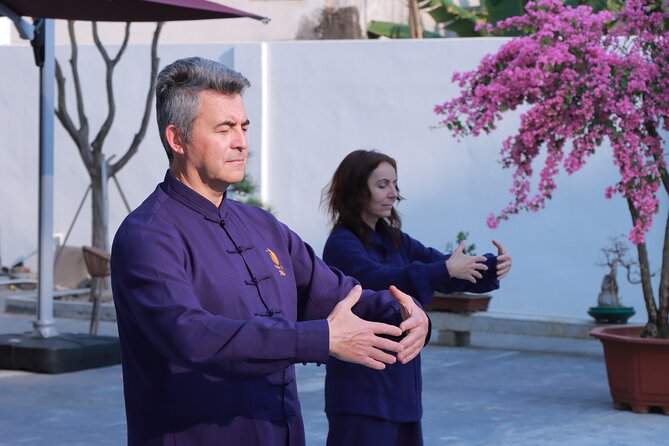
This is a week of learning how to move with attention. Tai Chi, Qigong, and meditation here are presented as related practices built around controlled breathing, mindfulness, and continuous movement. Instead of stopping sharply between postures, you learn to let one position flow into the next.
That matters because the retreat is not simply a collection of gentle exercises. The aim is to help you notice posture, balance, breathing, and mental focus at the same time. You do not need to arrive fit, flexible, or experienced. The program is designed for beginners, and the basic movements offer a manageable starting point.
I would think of this as a residential course rather than a spa break. You spend the central part of the week training and reflecting at the center. The time away from ordinary routines gives you room to ask questions, repeat movements, and talk with the masters about Tai Chi, Qigong, and daily life.
The course also places the exercises in a Chinese cultural setting. You learn about the history of Qigong and Tai Chi, not just the shape of a particular form. That combination makes the week more useful for someone who wants to understand why the practices are taught in this way.
More Yoga and Wellness Retreats in China:
- Guided relaxation and sound bath
★ 5.0 · 172 reviews - Bath: Guided Relaxation and Sound Bath
★ 4.8 · 108 reviews - Ubud: Wellness Retreat with Massage, Yoga Class, and Lunch
★ 4.8 · 93 reviews
Arriving through Jieyang Chaoshan Airport
The stated starting point is Jieyang Chaoshan Airport in Rongcheng District, Jieyang. Pickup is offered, which can take some pressure off your arrival, especially if you are coming from outside China and are unfamiliar with the area.
The available operating hours are listed as 8:00 AM to 8:00 PM from Monday through Sunday. That gives you a broad arrival window, but you should still check your exact pickup arrangement before departure. The center is also described as being near public transportation.
Private transportation is not included. This is the detail most likely to affect your budget and planning. Pickup may be part of the experience, but the information does not promise a private car for every transfer, excursion, or airport connection. Ask what happens from the airport to the center, and what you must arrange if your flight arrives outside the stated hours.
The location is described as having pleasant weather, but no specific season or temperature is given. I would check the local forecast before packing. Light, comfortable clothing should make movement easier, but exact clothing requirements are not provided.
Your first lessons: history, stretching, and breathing
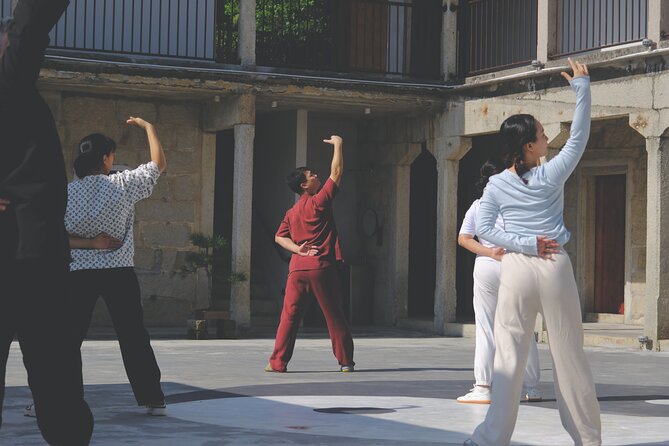
The early part of the program introduces Qigong and Tai Chi history. This gives your physical practice a frame. You are not only copying hand positions. You are learning where the exercises come from and how mindfulness, breath, and movement fit together.
Stretching techniques are also included. For a beginner, this is important because the goal is controlled movement, not forcing your body into a dramatic pose. The stretching component can help you pay attention to range of motion and alignment before you attempt longer sequences.
The wording of the program suggests personalized training tailored to your goals. That is one of its strongest features, though you should ask how that personal focus works within the group schedule. With a maximum of 10 people, the teacher has a better chance to observe individual technique than in a crowded class.
English instruction is another practical advantage. The program is taught by high-level, award-winning masters, and the center’s hosts speak English. That should make it easier to ask about posture, breathing, and the meaning of a movement without relying entirely on gestures.
Learning Eight Brocade Qigong
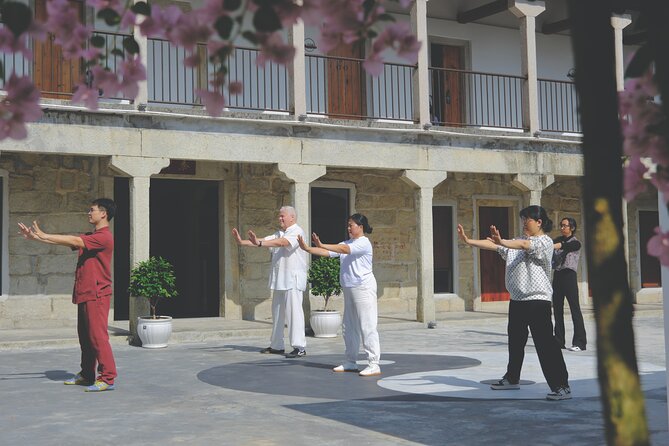
One of the main pieces of the course is Eight Brocade Qigong, a well-known sequence of exercises built from eight movements. The supplied description does not list the individual postures, so you should not expect a detailed movement-by-movement syllabus before arrival.
What you can expect is a steady introduction to a structured Qigong routine. The exercises use posture, breathing, and focused attention. For a first-time student, the value is repetition. You have enough days to revisit the same basic ideas instead of rushing through a single workshop.
This may suit you if your goal is a calm, repeatable practice that you can continue after returning home. The completion certificate is a pleasant extra, but the real value is leaving with movements you can remember and practice safely.
The program should not be treated as medical care. One participant described using Qigong and Tai Chi as part of pain management after spinal surgeries, and the response from the center was warmly supportive. That is encouraging, but it is not proof that the program can treat a medical condition. If you have an injury or health concern, discuss participation with a qualified health professional first.
A few more spa visits around China worth a look
- 7 Days Thai Yoga Massage Training and Retreat in Begnas Nepal
★ 5.0 · 6 reviews - 7-Day Private Tour, Jordan’s Wellness
★ 5.0 · 6 reviews - 7 Days Dong Van Ha Giang Private Loop Tour with Wellness Programs
★ 5.0 · 4 reviews
Ten easy Tai Chi forms for beginners
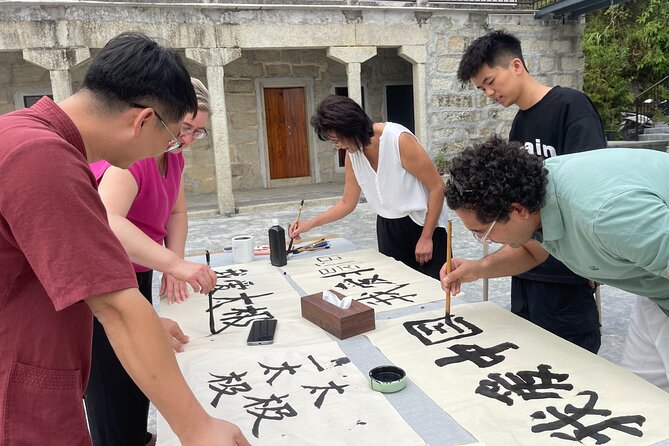
The Tai Chi section covers 10 easy forms. The word easy should be read as beginner-friendly, not effortless. Slow movement can be surprisingly demanding when you are asked to control balance, breathing, posture, and attention at the same time.
A seven-day stay gives you time to learn a sequence gradually. You can repeat a form, correct small details, and become more comfortable with the rhythm. That is much more useful than a one-hour demonstration, especially if you have never practiced Tai Chi.
The center’s approach also seems to include the philosophy behind the movements. One returning participant specifically valued learning both the technique and the ideas behind it. That may appeal to you if you want more than exercise classes and are interested in how Tai Chi connects physical practice with habits of mind.
The limitation is that 10 forms in one week will not make you an expert. You should expect an introduction and a foundation. Continued practice at home will be needed if you want the forms to become natural.
Life at the center: seven nights, shared meals, and conversation
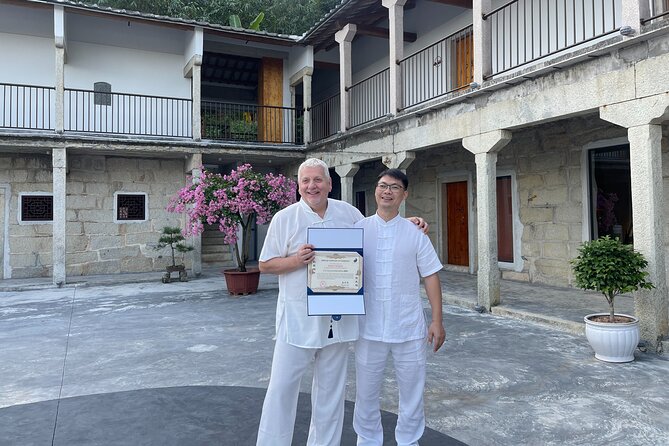
Accommodation for seven nights is included, along with breakfast, lunch, and dinner. That changes the shape of the trip. You do not have to search for restaurants after every session, and you can spend more of your attention on the course.
The food is described as Chinese cuisine mixed with some home comforts. That sounds like a useful balance. You get a local culinary experience without being told to accept every unfamiliar dish at every meal. Still, the information does not specify menus, dietary options, or how allergies are handled. Contact the center in advance if food restrictions matter to you.
The strongest praise is directed at the welcome, accommodation, food, and personal care. Master Ping and his extended family are described as looking after participants from pickup to drop-off. That family-run quality can make a residential course feel warm rather than institutional.
It can also mean a less formal style. If you want a polished resort with a fixed luxury standard, this may not be the right match. The appeal is its personal and unpretentious character, not a long list of spa facilities.
The weekend pause for rest and local discovery
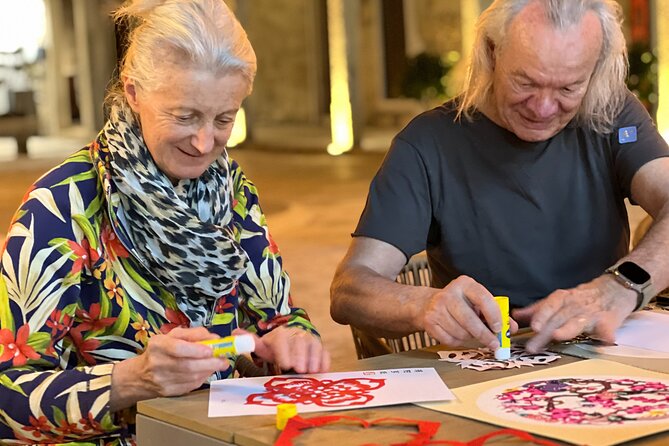
The schedule allows you to leave the center during the weekend to relax, regenerate, and explore local attractions, culture, and nature. This is a valuable break from concentrated practice. Seven days of slow, precise movement can be mentally tiring, even when the exercises look gentle.
The program does not provide a detailed weekend excursion list. You should treat the free time as open rather than as a guided sightseeing day. Ask the center what local places are practical to reach and how transportation works, since private transportation is not included.
This arrangement suits you if you like to set your own pace. You can use the weekend for rest or add some independent exploring. It is less suitable if you want every hour planned with museum visits, scenic stops, and a guide.
Why the small group matters
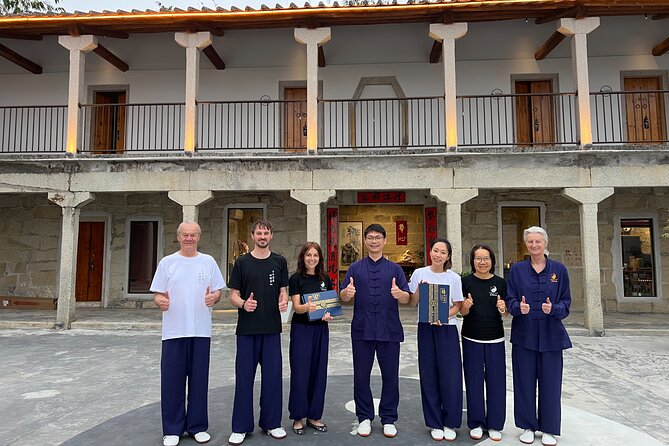
The maximum group size is 10 people. That is a useful limit for a course built around posture correction and hands-on attention. You have a better chance of asking questions and receiving individual guidance than you would in a large retreat class.
The social side is also part of the appeal. The experience has attracted people from different countries, and the shared schedule can make it easy to meet others who are also beginning or refining a Tai Chi practice.
Small does not mean private. You will still share lessons, meals, and accommodation arrangements with the group. If you need one-to-one instruction throughout the week, ask whether private sessions are available and whether they cost extra. The published information only confirms personalized training, not a separate private timetable.
Is $100 good value?
At face value, $100 for approximately seven days is unusually inexpensive. The stated package includes seven nights, breakfast, lunch, dinner, all fees and taxes, training, and a certificate. If those inclusions apply exactly as written, the price offers exceptional value.
I would still pause before booking. The price may vary by date or booking conditions, and private transportation is excluded. The information does not state the room type, whether accommodation is shared, or what airport pickup covers. Confirm those points directly so a low advertised price does not produce surprise costs.
The value becomes stronger if you care about authentic instruction and a family-run setting more than luxury facilities. The center is praised for its teaching, service, food, and comfortable accommodation. It is less clearly suited to someone seeking a high-end resort, a fully guided sightseeing itinerary, or extensive private coaching.
Who should book this retreat?
I would recommend it to a beginner who wants a focused introduction to Tai Chi and Qigong in China. It also suits a regular practitioner who wants to study with a respected teacher and explore the philosophy behind the forms.
You may appreciate it if you want:
- English-language instruction
- A small group rather than a mass class
- A complete residential schedule
- Chinese meals and cultural contact
- Time for both structured practice and independent rest
- A friendly, personal setting
Think twice if you want a sightseeing-heavy holiday. You should also ask careful questions if you have mobility limits, dietary requirements, or a medical condition. Most people can participate, but the program is still based on physical movement, and individual needs are not described in detail.
Confirmation is provided at booking. Free cancellation is available up to 24 hours before the start time. Changes or cancellations made inside that 24-hour period are not refundable, using the local time at the center.
My verdict on the FangYuan TaiChi Centre
This retreat offers a rare mix: serious traditional practice, English teaching, family hospitality, meals, lodging, and time to slow down. The most convincing strengths are Master Ping’s patient instruction, the small group, the welcoming atmosphere, and the chance to learn both Tai Chi technique and its underlying ideas.
The main weaknesses are practical rather than cultural. The itinerary does not spell out daily hours, accommodation details, weekend activities, or transportation beyond the airport arrangements. The $100 price also deserves confirmation before you rely on it.
If you want a week devoted to learning, breathing, moving, and meeting people in a genuine Chinese setting, I would put this retreat high on your list. If you want a luxury wellness resort or a packed tour of southern China, choose something else.
FAQ
Where does the retreat begin?
The stated starting point is Jieyang Chaoshan Airport in Rongcheng District, Jieyang, China.
How long does the experience last?
The retreat lasts approximately seven days and includes seven nights of accommodation.
Is airport pickup available?
Pickup is offered from the stated starting point, Jieyang Chaoshan Airport. The exact pickup arrangements should be confirmed before arrival.
Is private transportation included?
No. Private transportation is listed as not included.
Is the program suitable for beginners?
Yes. The program is designed for beginners, and no previous Tai Chi or Qigong experience is required.
What will I learn?
The program includes an introduction to Tai Chi and Qigong history, body stretching techniques, Eight Brocade Qigong, and 10 easy Tai Chi forms.
Is instruction provided in English?
Yes. The teaching is provided in English by high-level masters, and the center’s hosts speak English.
Are meals included?
Yes. Breakfast, lunch, and dinner are included, along with all fees and taxes. The food is described as Chinese cuisine with some home comforts.
What is the cancellation policy?
You can cancel at least 24 hours before the experience starts for a full refund. Cancellations or changes made less than 24 hours before the start time are not accepted for a refund.
Just added around China
- Xi’an: Traditional Chinese Massage or Spa with Meal★ 4.7 · 13 reviews
- Xitang Water Town Private Tour from Shanghai with Hot Spring Spa Experience★ 5.0 · 2 reviews
- Small-Group Gong Relaxation Experience in Hong Kong★ 5.0 · 5 reviews
- Stone Spa Experience Package★ 5.0 · 2 reviews
- Chongqing Luxury Hot Spring and Massage Luxury Meal Private Tour★ 5.0 · 6 reviews
- Private Distinctive Market Tour with Shaomai Lunch and Full Massage in Beijing★ 5.0 · 2 reviews
- 3-Day Beijing Tour Tai Chi, Peking Duck, Hotpot and Spa★ 5.0 · 3 reviews
- Chongqing: Active Wellness, Monorail, and Hidden Gems Tour★ 5.0 · 2 reviews
China Massage and Spa, compared.
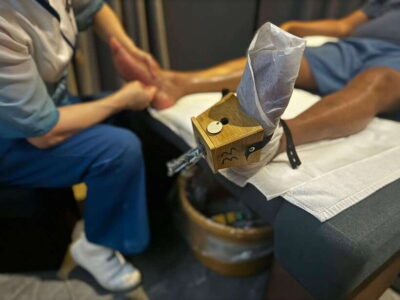
Shanghai:Authentic Chinese Body/Foot Massage, Hair& Head SPA
Read our review →
Shanghai Guided Royal Banquet Photo (Incl) with Massage Opt
Read our review →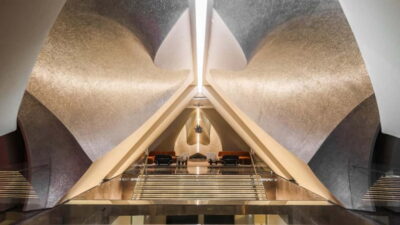
Beijing : SHUIGUO luxury SPA & Recreation Club day ticket
Read our review →
Chengdu: Sichuan Opera Show & Covered Bowl Tea & Massage
Read our review →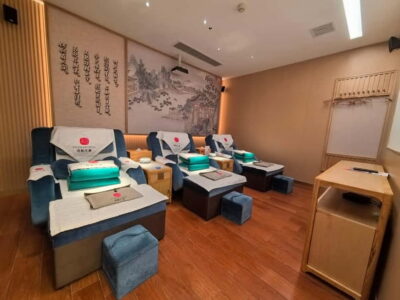
Xi’an: Traditional Chinese Massage or Spa with Meal
Read our review →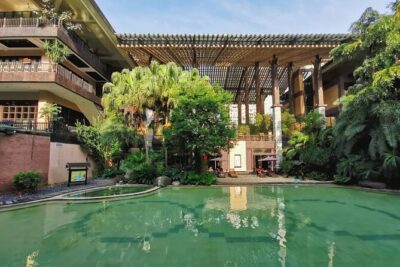
Chongqing Luxury Hot Spring and Massage Luxury Meal Private Tour
Read our review →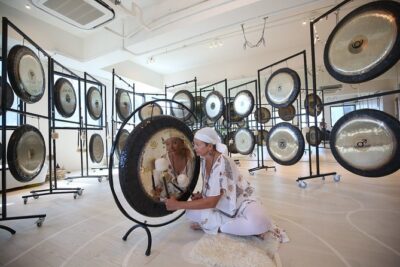
Small-Group Gong Relaxation Experience in Hong Kong
Read our review →
3-Day Beijing Tour Tai Chi, Peking Duck, Hotpot and Spa
Read our review →Where else this treatment appears