
Review · ROTORUA
Rotorua: Hell’s Gate Outdoor Mud Spa & Guided Walk
Nature gets wonderfully strange here. At Hell’s Gate, you walk past steaming pools, boiling mud, and a waterfall before settling into a 20-minute mud bath and warm sulphur spa. I like the unusual pairing: the walk gives you a close look at Rotorua’s raw geothermal power, while the spa adds a calm, hands-on finish. I also like the choice between a guided walk and a self-guided route, though guided tours depend on availability and the mud bath time limit may feel short if you want a long soak.
The reserve sits about 15 minutes from central Rotorua, so it is easy to fit into a busy North Island schedule. Bring old swimwear, since the sulphur smell can linger, and remove your jewelry before entering the pools.
Key points to know before you go
- A rare geothermal and spa combination: You explore an active thermal area, then bathe in mud and acidic sulphur water on the same visit.
- The guided walk adds meaning: Guides explain both the geology and the Māori importance of the area, with guides such as Liam, Tee, Zia, Niko, and Ngati praised for their energy and storytelling.
- The self-guided route works well: A clear map and signs let you move at your own pace if you prefer quiet stops and photographs.
- The mud bath lasts 20 minutes: This is a health and safety limit, not a flexible suggestion, but many people find the time sufficient once they are in.
- Māori carving is included: The hands-on carving activity gives you a small cultural experience and a keepsake to take away.
- Prepare for sulphur: Your swimwear and towel will smell afterward, and the water can tarnish silver and other jewelry.
What the $68 price gives you
At $68 per person, this is not simply an entry ticket to a thermal park. You get access to the geothermal walk, a map, optional daily guiding, the mud bath, sulphur spa, cool plunge pool, and Māori carving. That makes the price easier to justify than a basic sightseeing stop, especially if you want both scenery and bathing in one outing.
The value depends on how much of the visit you use. If you rush through the walk and spend little time at the spa, the cost will feel less attractive. Give yourself the full three hours so you can follow the route, join a carving session, change comfortably, and enjoy the pools without watching the clock.
I see this as good value for a first Rotorua visit, particularly if you want an experience that feels different from an ordinary hotel hot pool. It is also useful for families and mixed-age groups, since some people can focus on the geothermal sights while others look forward to the spa.
A few more spa visits around Rotorua worth a look
- Guided relaxation and sound bath
★ 5.0 · 172 reviews - Bath: Guided Relaxation and Sound Bath
★ 4.8 · 108 reviews - Mt. Rigi Self-Guided Tour: Lake Lucerne Cruise and Mountain Spa
★ 4.5 · 83 reviews
Starting at the Hell’s Gate entrance
Hell’s Gate Geothermal Reserve is at 351 State Highway 30 in Tikitere, around 15 minutes from Rotorua’s town center. The setting is easy to reach by car, and one person reported taking an Uber from the city center, though transport arrangements are your responsibility.
Allow time at the entrance to understand how the visit is organized. You can begin with the geothermal walk or join a guided tour when one is running. The supplied schedule lists guided tours at 10:30 AM and 2:30 PM from October 1 through March 31, 2022 to 2023, subject to availability. Since that date range is old, check the current times before planning your day around a guide.
The choice matters. A guide brings stories, cultural context, and explanations you will not get from a map alone. Several guides have been praised for adding humor, Māori stories, geological details, and a strong sense of connection to the area. One guide known for describing himself as the guy with the really long name was especially appreciated for his lively explanations.
If you prefer to stop often for photographs or avoid moving with a group, the self-guided option is a good fallback. The route is clearly marked, and the map helps you keep track of the main sights. You can also walk at your own pace and time your return to the spa more carefully.
Walking through a living thermal field
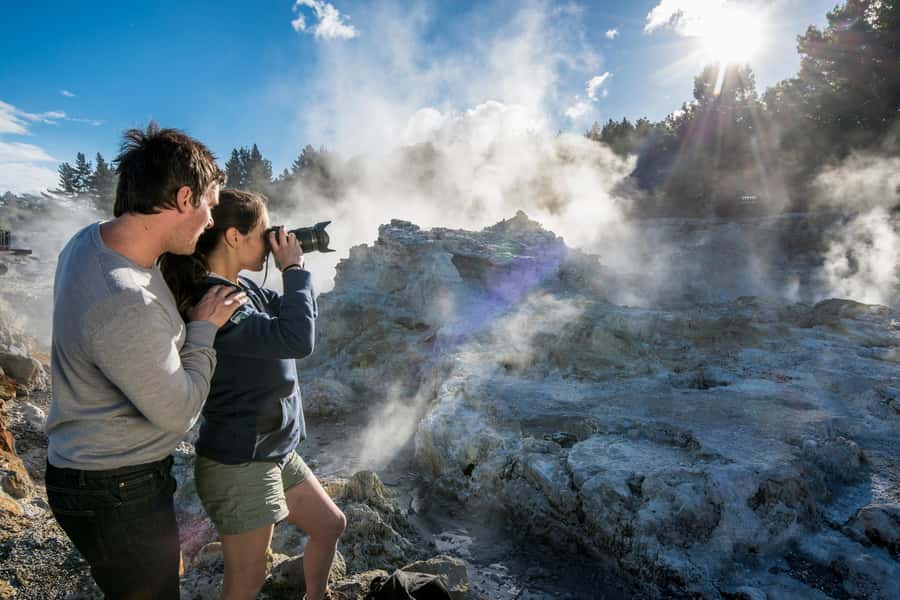
The geothermal walk is the heart of the experience. You follow a route through steaming ground, mud pools, hot water, and other signs of volcanic activity. It is not a polished garden with one dramatic feature at the end. The appeal comes from seeing many forms of geothermal activity close together and understanding how powerful the ground beneath Rotorua can be.
The area can feel surprisingly large, so do not assume the walk will take only a few minutes. One visitor described it as much bigger than expected, while another was glad to complete the whole route. Comfortable shoes are important because you are walking outdoors, often near warm and unstable ground.
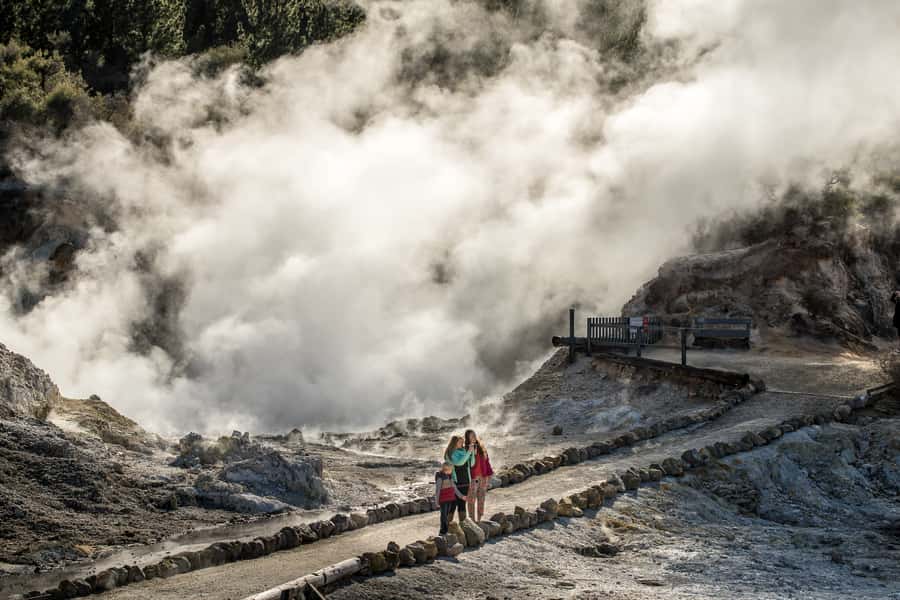
The scenery is striking in a slightly unsettling way. Steam rises from pools, mud bubbles and shifts, and the smell of sulphur reminds you that this is not an ordinary park. A waterfall hidden among the steaming pools is one of the more unexpected sights. It gives the walk some variety beyond pools and vapor.
I recommend doing the walk before the spa. You will be more alert for the explanations, and the bath feels better after you have spent time outside. The route also gives useful context for the water and mud you are about to use.
Why a guide can change the walk
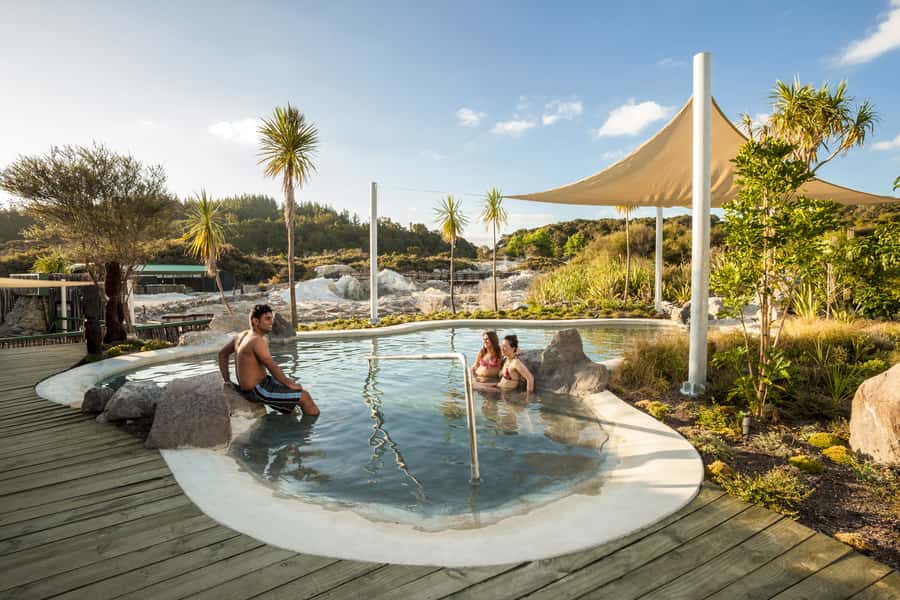
The map is enough to help you find the route, but it cannot answer questions or tell stories. A strong guide explains why a pool looks the way it does, how the thermal area affects plants and animals, and why the place matters to Māori culture.
Guides such as Tee, Zia, Liam, Niko, and Ngati have been praised for making the walk entertaining as well as informative. Zia has included a haka, while other guides have used humor and personal cultural knowledge to bring the area to life. That sort of human connection is a major reason to choose a guided time if the schedule works for you.
There is one practical catch: a guided visit can place you at the mud bath and sulphur spa with other people at the same time. If you want a quieter or more private-feeling soak, start the walk on your own or ask staff how to time the spa separately. One useful approach is to walk independently, then avoid joining the bathing area at the busiest moment.
Do not treat the self-guided route as an inferior option. People who chose it enjoyed the freedom and found the signs and map easy to follow. You simply give up the extra stories and local interpretation.
Same place, a different way to unwind:
- Rotorua: Hells Gate Outdoor Mud Bath & Spa Experience
★ 4.6 · 398 reviews - Polynesian Spa Rotorua: Deluxe Lake Spa Hot Spring Bathing
★ 4.5 · 358 reviews - Polynesian Spa Rotorua: Deluxe Lake Spa Hot Spring Bathing
★ 4.5 · 227 reviews - Polynesian Spa Rotorua: Pavilion (12+ yrs) Hot Pool Bathing
★ 4.5 · 154 reviews
The mud bath: short, warm, and memorable
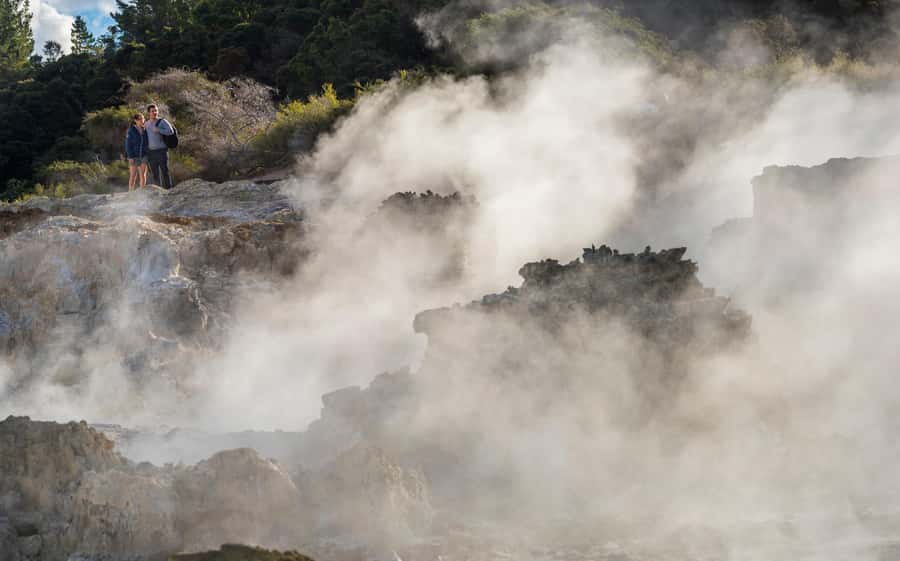
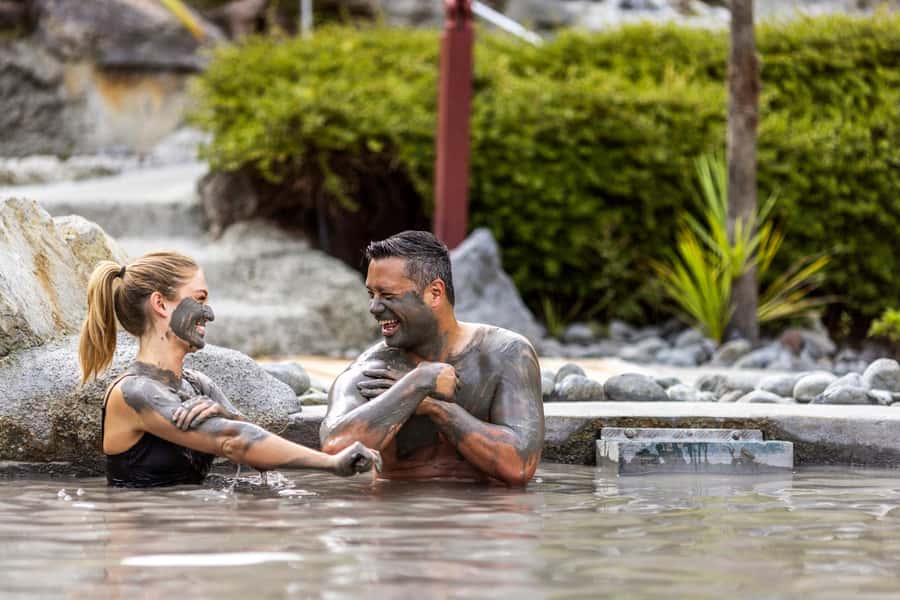
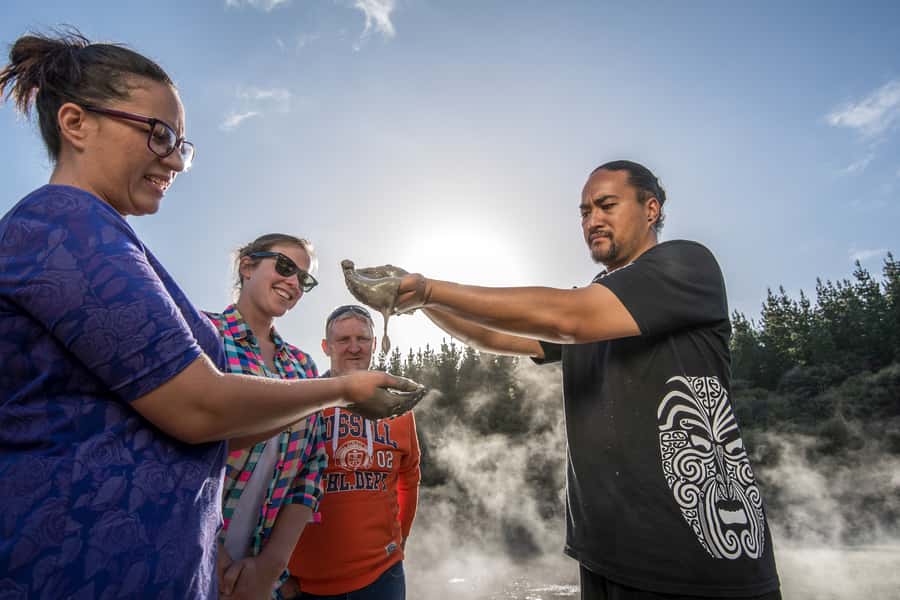
After the walk, you move to the mud bath area. The geothermal mud is warm and soft, and the activity is more playful than elegant. You apply or sit in the mud, let it warm the skin, and enjoy the novelty of bathing in something that comes directly from the thermal setting.
The official limit is 20 minutes per person per visit. That may sound brief, especially given the price, but a full 20 minutes in hot mud can feel longer than expected. Several people found the time just right once they were in the pool. Others wished they could stay longer, so set your expectations before you arrive.
The mud is promoted as opening and cleaning the pores, and many people leave feeling that their skin is smooth. I would treat the skin benefits as a pleasant extra rather than a medical promise. The main value is the rare experience of sitting in warm geothermal mud in the middle of Rotorua’s thermal country.
The minimum age for the mud bath is 2.5 years. Children must be supervised, and very young children may not enjoy the heat or the unusual texture. The sulphur spa has a lower minimum age of six months, but the mud bath and spa are not suitable for pregnant people, people with heart problems, or people with high blood pressure.
Sulphur pools and the cool plunge
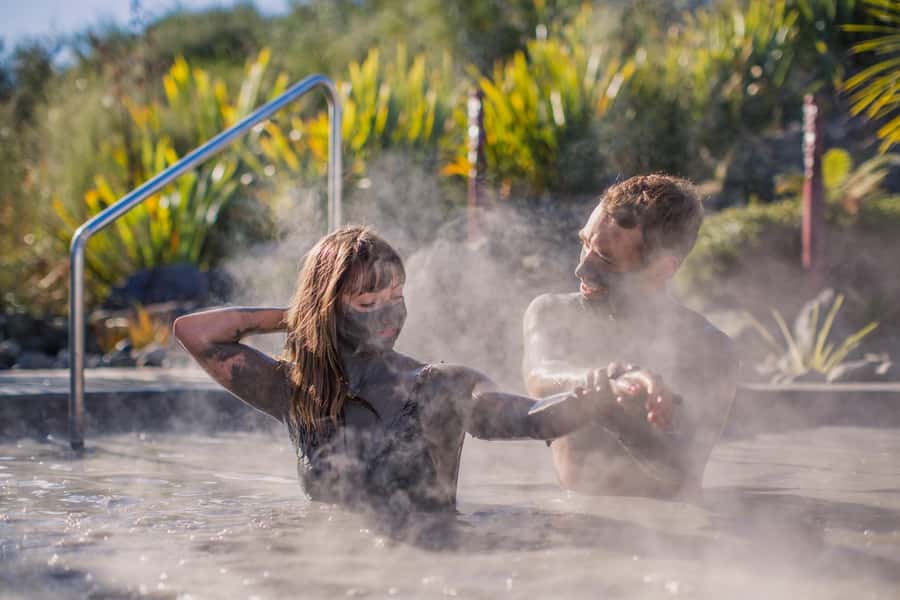
The sulphur spa follows naturally after the mud bath. The warm, acidic water gives you time to rinse, relax, and let the heat settle in. The smell is unmistakable. If sulphur puts you off, this is the part to consider carefully. You are warned about it, but the scent can remain in swimwear and towels after you leave.
The spa water is described as gently exfoliating and cleansing. Again, the main benefit is the experience itself: you are soaking in mineral-rich geothermal water in a place where the heat comes from below the earth. The atmosphere can be calm, though the exact level of privacy depends on timing.
A cool plunge pool is also included. It gives you a way to cool down between warm areas and makes the bathing sequence feel more complete. The contrast is useful on a hot day or after spending time near steaming pools.
Take off jewelry before entering. The chemical makeup of the mud and water can tarnish most jewelry, especially silver. It is best to leave valuable pieces at your accommodation and wait 24 to 48 hours before wearing them again if you do bring anything.
Māori carving adds a welcome cultural layer
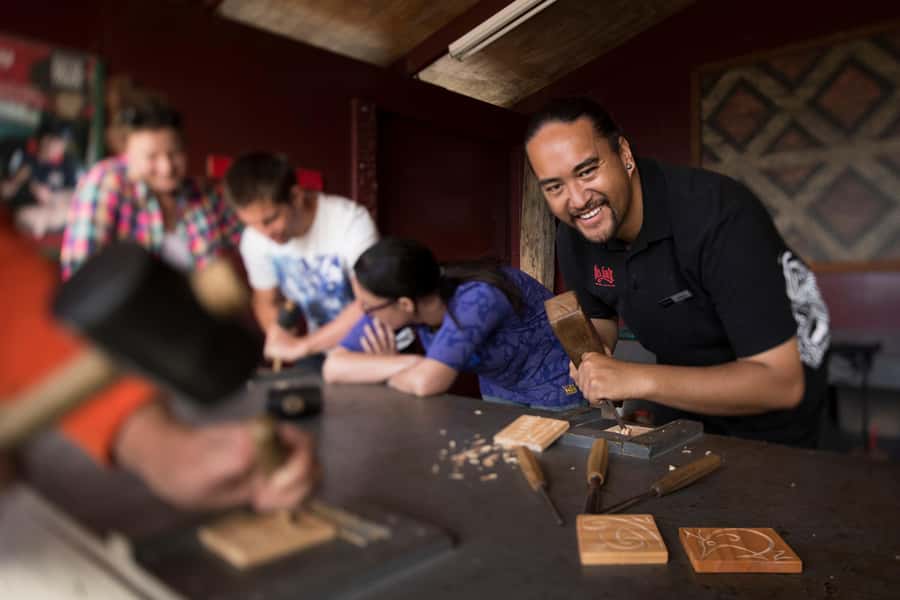
Māori carving is included in the visit, and it is more than a quick photo opportunity. You get to try shaping wood with a Māori symbol, creating a small piece that can serve as a personal souvenir.
The activity is especially worthwhile because it gives the day a human and cultural element after the geology. The mud pools may be the visual highlight, but carving helps connect the place to Māori tradition. Staff explain the symbols and the cultural meaning, and the activity is often remembered as one of the best parts of the visit.
Children must be at least 12 years old to take part. The activity may be brief, so do not book this expecting a full craft workshop. Think of it as a hands-on introduction and a chance to make a small piece of art.
Timing your three hours well
A simple plan works best:
- Start with the geothermal walk, guided or self-guided.
- Allow enough time to complete the route rather than turning back early.
- Take part in Māori carving if the timing suits your group.
- Move to the mud bath and sulphur spa.
- Use the cool plunge pool and allow time to change afterward.
The spa portion may operate with allocated time slots. This helps keep the bathing areas from becoming too crowded, but it also means you should pay attention to instructions from staff. One benefit of the organized timing is that the pools can feel calmer than a busy public hot pool.
If you want a guide, build your visit around the available departure rather than assuming you can join at any moment. If you prefer a quieter experience, arrive ready to follow the map and ask staff about the best time to use the baths.
What to pack, and what not to wear
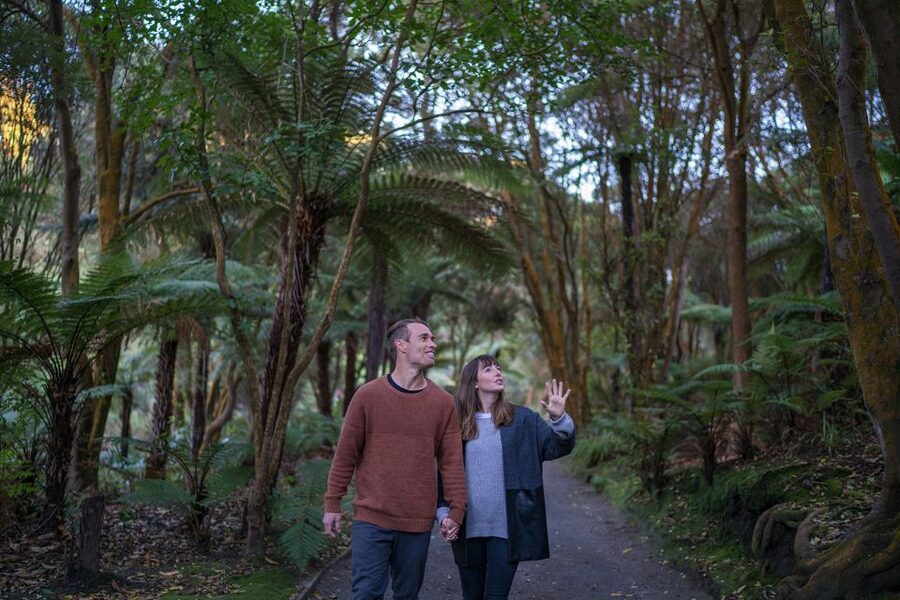
Bring comfortable walking shoes, swimwear, and a towel. Towels and swimwear can be rented or purchased onsite, subject to availability, but bringing your own is simpler.
Wear an old swimsuit. The sulphur smell can cling to fabric, and some people choose to discard their swimwear afterward. At minimum, wash it thoroughly as soon as possible. Do not pack your best beachwear for this outing.
Leave jewelry at your accommodation. Smoking, drones, alcohol, and drugs are not allowed. Unaccompanied minors are not permitted, and the experience is not suitable for people with mobility impairments because it combines an outdoor geothermal walk with bathing facilities.
The reserve offers English-language guiding. Staff have been described as friendly and helpful, including when people needed assistance with eye irritation. Still, take care around the water and steam, and follow the safety instructions rather than treating the pools like ordinary baths.
Who will enjoy Hell’s Gate most?
I would recommend this experience to first-time Rotorua visitors who want several activities in one place. It suits couples, families with age-appropriate children, and older adults who prefer a flexible outing with the option to walk independently.
It is also a good choice if you want culture and geology together. The guided walk adds Māori stories and local meaning, while the carving gives you something active to do. The spa then provides a slower finish.
You may want to choose another activity if you dislike sulphur smells, cannot manage a walk on uneven outdoor paths, or need a long, leisurely bathing session. The 20-minute mud limit is firm. People with pregnancy, heart conditions, high blood pressure, or mobility impairments should not book this experience.
Should you book Hell’s Gate?
Book it if you want Rotorua’s geothermal power up close, not just a quick photograph from a viewing platform. The combination of steaming pools, bubbling mud, Māori culture, carving, and sulphur bathing gives you a full three-hour outing for $68.
For the best version, choose a guided time if one is available and you value stories. Choose the map-led route if you want freedom, quieter pauses, and more control over when you reach the spa. Bring old swimwear, skip the jewelry, and accept that the mud bath is a short session.
Hell’s Gate is unusual, hands-on, and easy to fit into a Rotorua itinerary. I would book it for the complete mix, not just the bath.
FAQ
How long does the Hell’s Gate experience take?
The experience lasts three hours. That includes the geothermal walk, optional guided tour, Māori carving, mud bath, sulphur spa, and cool plunge pool.
How much does the experience cost?
The listed price is $68 per person. The fee includes the geothermal walk, map, optional daily guiding, mud bath, sulphur spa, Māori carving, and cool plunge pool.
Can I explore Hell’s Gate without a guide?
Yes. You can use the included map and follow the self-guided geothermal walk at your own pace. Guided tours are also available daily, subject to availability.
When do the guided tours run?
The supplied schedule lists guided tours at 10:30 AM and 2:30 PM from October 1 through March 31, 2022 to 2023, subject to availability. Confirm the current times before booking around a guided walk.
How long can I stay in the mud bath?
The mud bath has a 20-minute limit per person per visit for health and safety reasons.
What should I bring?
Bring comfortable shoes, swimwear, and a towel. You can rent or buy swim items onsite, subject to availability.
Can children take part?
Children must be at least 2.5 years old for the mud bath and at least six months old for the sulphur spa. The Māori carving activity is for children aged 12 and over.
Just added around Rotorua
- Massage and Wellness★ 4.5 · 3 reviews
- Polynesian Spa Rotorua: Family Hot Pools and Freshwater Pool★ 3.5 · 14 reviews
- Rotorua: Wai Ariki Hot Springs & Spa 1hr Restorative Bathing★ 4.8 · 16 reviews
- Polynesian Spa Rotorua: Sky View Private Pools Experience★ 4.5 · 6 reviews
- Polynesian Spa Rotorua: Lake View Private Pools Experience★ 4.4 · 11 reviews
- Polynesian Spa Rotorua: Family Hot Pools and Freshwater Pool★ 4.8 · 17 reviews
- MITAI MAORI VILLAGE Night XP & Polynesian Spa from Auckland★ 5.0 · 3 reviews
- HELL’S GATE Mud Spa, Rotorua – Group Day Tour Ex Auckland★ 4.4 · 10 reviews
Rotorua Massage and Spa, compared.
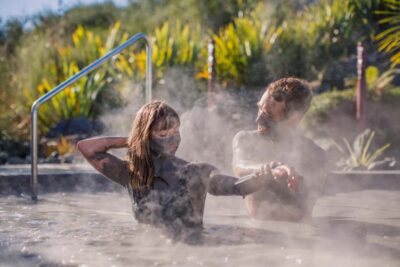
Rotorua: Hells Gate Outdoor Mud Bath & Spa Experience
Read our review →
Polynesian Spa Rotorua: Deluxe Lake Spa Hot Spring Bathing
Read our review →Polynesian Spa Rotorua: Deluxe Lake Spa Hot Spring Bathing
Read our review →
Polynesian Spa Rotorua: Pavilion (12+ yrs) Hot Pool Bathing
Read our review →
Wai Ariki Hot Springs and Spa Restorative Journey (2hrs)
Read our review →
Rotorua: Lakefront Hot Springs & Spa – Luxury Māori Wellness
Read our review →
Polynesian Spa Rotorua: Family Hot Pools and Freshwater Pool
Read our review →
Rotorua: Wai Ariki Hot Springs & Spa 1hr Restorative Bathing
Read our review →Where else this treatment appears