Review · TOURS
Bhutan Spiritual & Wellness Tour Package With Monastic Stay
Bhutan asks you to slow down. This seven-day private tour brings you close to the country’s spiritual life through monasteries, prayer, meditation, Buddhist rituals, and time in sacred places. I like the overnight stay at Gangtey Monastery, where you can join early morning prayer, and I like that private transport lets your group adjust the pace. The main consideration is that this is an active mountain trip, with early starts, long drives, and a five-hour hike to Tiger’s Nest.
The experience is especially appealing if you want more than sightseeing. Guide Pema and driver Nima are praised for their respectful, professional care, while organizer Thinley is noted for helpful planning and a thoughtful personal touch. Still, the schedule is full, and the monastic setting is simple rather than luxurious.
Key details that shape the experience
- Sleep at Gangtey Monastery: You can take part in morning prayer from 5:30 to 6:15 a.m. and an evening meditation class from 5:30 to 6:30 p.m.
- Private touring for your group: Transportation, sightseeing, and timing are arranged around you rather than a large shared group.
- Bhutan’s key sacred places: The route includes Tiger’s Nest, Punakha Dzong, Kyichu Lhakhang, Dra Karpo, Chimi Lhakhang, and several chortens.
- Meditation with a clear focus: The evening class may cover shamatha meditation, loving-kindness, or Vipassana.
- A large share of the trip cost is already covered: Meals, mineral water, entrance fees, visa, internal taxes, transportation, and Bhutan’s $100-per-person-per-night government Sustainable Development Fee are included.
- The trip costs $2,200 per person: Airfare, travel insurance, laundry, alcoholic drinks, other beverages, and a $350 single supplement are extra.
What this Bhutan tour is really about
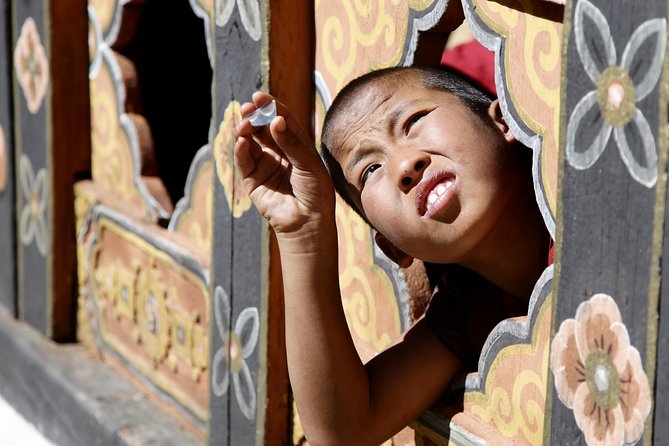
This is not simply a circuit of famous monuments. Its central idea is to connect Bhutan’s religious places with daily spiritual practice. You will see people circumambulating the Memorial Chorten, hear about Mahayana Buddhism, visit caves linked to Guru Padmasambhava, and have the chance to sit in meditation rather than only take photographs.
I like that the program gives you several ways to approach Bhutanese spirituality. You can listen to a guide, attend a ritual, study Bhutanese astrology, join meditation, or spend a night in a working monastic setting. You do not have to be an experienced meditator. The schedule presents meditation as an option within the trip, not as a test of discipline.
The private format also matters. If you need a slower morning, more time at a temple, or a short break after a hike, your group has more room to discuss the day with the guide. The tradeoff is that a private, customized trip usually costs more than a basic group tour, and the $2,200 price still does not include international flights.
A few more spa visits around the world worth a look
- Budapest: Széchenyi Spa Day Ticket with Optional Upgrades
★ 4.3 · 23,911 reviews - Reykjavik: Sky Lagoon Entrance Pass With 7-Step Spa Ritual
★ 4.8 · 6,166 reviews - Prague: Bernard Beer Spa with Beer and Massage Option
★ 4.8 · 4,164 reviews
Day 1: Thimphu’s dzong, chorten, and giant Buddha
The first sightseeing day introduces you to Bhutan’s capital and its religious and political life. At Tashichho Dzong, you see one of the country’s finest examples of Bhutanese architecture. The complex is the seat of the Royal Government and the Central Monastic Body, and the visit may include watching the lowering of the flag.
That combination gives the building real importance. This is not just an attractive fortress with painted woodwork. It remains part of Bhutan’s working public and religious life. Allow about an hour, with admission included.
Next comes Buddha Dordenma, the giant statue above the Thimphu Valley. The site was built to bestow blessings, peace, and happiness on the world. The statue also gives you a broad view over the valley, making it a useful early stop for getting your bearings.
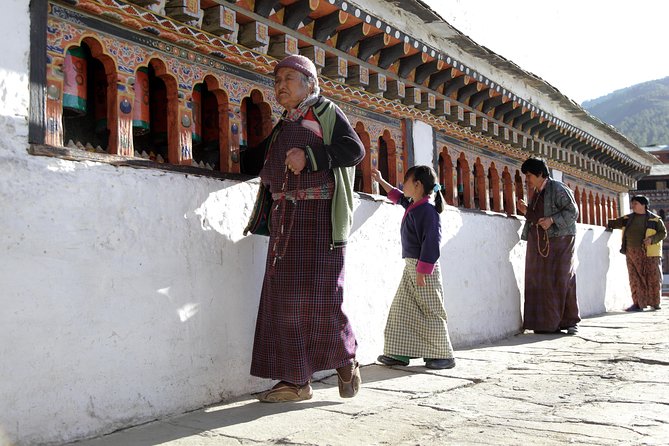
The Thimphu Chorten offers a different kind of experience. Built in 1974, it is easy for local residents to reach, and elderly Bhutanese citizens spend long periods prostrating, walking around the shrine, and chanting. I would pay attention here to the rhythm of local worship rather than treating the chorten as a quick photo stop.
The first day is not physically demanding, but it introduces the tour’s main theme: Bhutanese religion is practiced in public, in ordinary daily life, and not only inside museums.
Day 2: Dochu La and the road to Gangtey
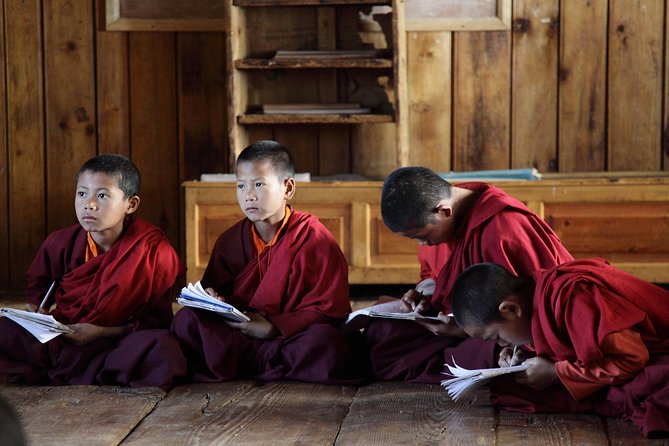
Dochu La Pass rises to 3,088 meters, or about 10,130 feet. You stop to see 108 chortens, a mani wall, and prayer flags at this high point on the road. If the sky is clear, the mountain views can be a major reward, though cloud and weather will affect what you see.
The pass is also a reminder that Bhutan travel is shaped by mountain roads. The route between major valleys takes time, so you should not think of each sightseeing day as a string of short city visits. Bring patience, water, and something warm for the stop at the pass.
In Gangtey Valley, you take a short nature walk of about an hour and a half. The route begins at the mani, or chorten-like, stone wall north of Gangtey Gonpa and continues through the valley. The walk adds quiet outdoor time before the monastic portion of the trip.
The day ends at Gangtey Monastery, also called Gangteng Goenpa. Established in 1613, it is the main seat of the Pema Lingpa tradition and looks over Phobjikha Valley. The stay here is the heart of the wellness theme, but it also requires the right expectations. A monastery is chosen for its religious setting, not hotel-style comfort or entertainment.
Day 3: A real monastic rhythm
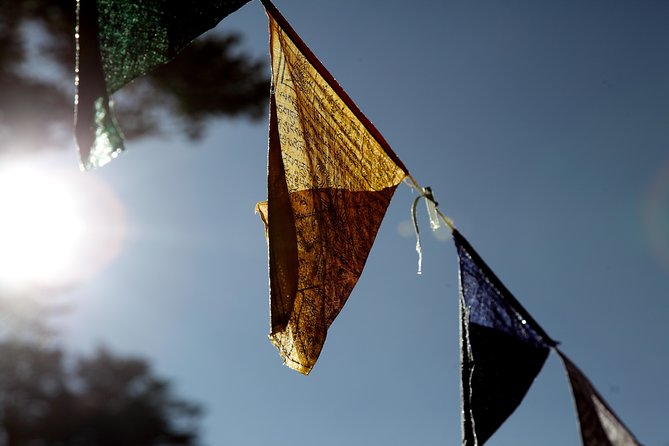
Day 3 is given to Gangtey Monastery rather than another string of roadside stops. That is a smart choice. A spiritual trip needs some unscheduled breathing room, and this is the day when the program feels least like a standard sightseeing tour.
You may join morning prayer from 5:30 to 6:15 a.m. That start is early, so do not book this experience expecting a lie-in. The early hour is part of the point: you are seeing how a monastic day begins, not attending a performance arranged for tourists.
In the evening, you can attend a meditation class from 5:30 to 6:30 p.m. The session may focus on shamatha, loving-kindness, or Vipassana. These are distinct approaches, so you can ask the guide or instructor what the session will cover and choose the one that best suits your interest.
The schedule also allows participation in evening prayer and Buddhist rituals. The supplied details do not promise a specific ritual every day, so treat participation as an opportunity rather than a guaranteed ceremony. Respectful observation is important, and your guide can help explain what is appropriate.
For me, this is the most valuable day for anyone seeking a genuine spiritual connection. It is also the day most likely to feel quiet, simple, and less structured than a normal holiday.
Same place, a different way to unwind:
- Body Massage Experience in Ubud Traditional Spa
★ 5.0 · 3,506 reviews - Budapest: Full-Day Gellért Spa Ticket
★ 4.2 · 3,340 reviews - Istanbul: Private Turkish Bath, Massage, and Spa in Old City
★ 4.6 · 3,225 reviews - Marrakech: Spa Massage and Steam Hammam with Pickup
★ 4.6 · 2,873 reviews
Day 4: Punakha Dzong, Chimi Lhakhang, and a riverside hike
Punakha Dzong is one of the major architectural sights on the route. This 17th-century fortress-monastery sits dramatically at the meeting point of the Mo and Pho Rivers. The visit is listed at about seven and a half hours, which indicates a substantial part of the day is devoted to Punakha and its surrounding stops.
The dzong combines religious and civic importance. You can expect large courtyards, formal Bhutanese design, and a setting that makes the building easy to remember. The long stop gives you time to appreciate the site, but it also means this is not a light day.
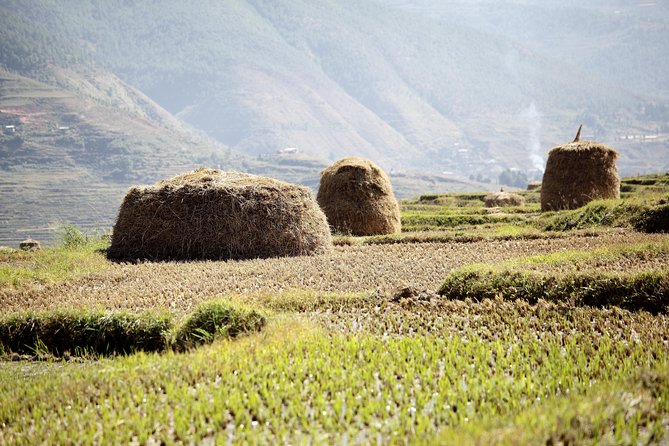
Chimi Lhakhang is reached by an optional short walk across rice paddies. The temple was built by Lama Drukpa Kunley, a colorful religious figure associated with stories of subduing a demoness at Dochu La. Since the walk is optional, you can decide how much energy you have after the earlier touring.
After lunch, you hike to Khamsum Yulley Namgyal Chorten. Built by Queen Mother Ashi Tshering Yangdon Wangchuck, it is a fine example of Bhutanese architecture. The listed hiking time is about an hour and a half, so comfortable walking shoes are sensible.
This day mixes history, religious stories, farming scenery, and exercise. I like that variety, but you should watch the clock and your energy. The private format helps because your guide can discuss pacing with you.
Day 5: Sacred places around Paro
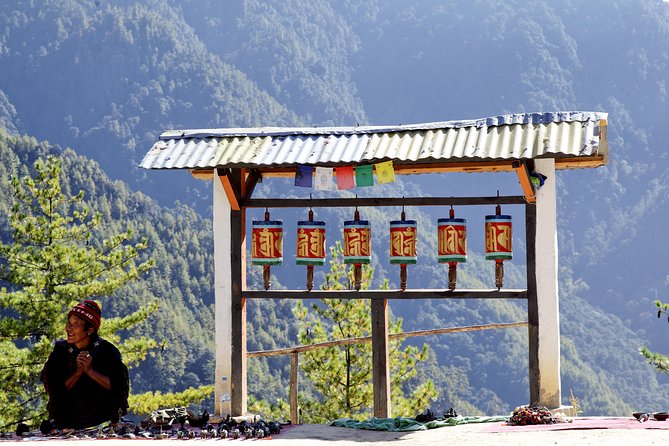
Dra Karpo is a small monastery on a hilltop in Paro Valley. Its name means split rock, and it is regarded as one of Bhutan’s holiest sites. The place is linked to Guru Padmasambhava, his consort Dakini Yeshey Tshogyal, and other religious figures.
The visit lasts about an hour and a half and admission is included. This is a good example of why the tour is different from a standard highlights trip. You are not only visiting the country’s biggest monuments. You are also going to smaller sacred sites that carry strong religious meaning.
The itinerary leaves this day focused on Dra Karpo rather than filling every hour with attractions. That can be welcome after the full Punakha day and before the major Tiger’s Nest hike. Ask your guide about the site’s stories as you go, since the spiritual context is what gives the stop its value.
Day 6: Tiger’s Nest and Paro’s old temples
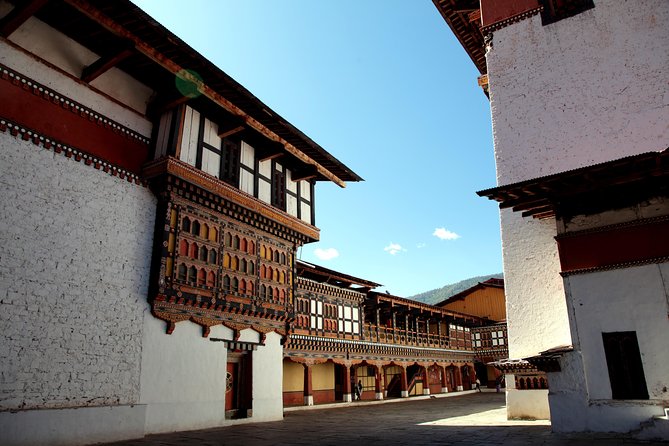
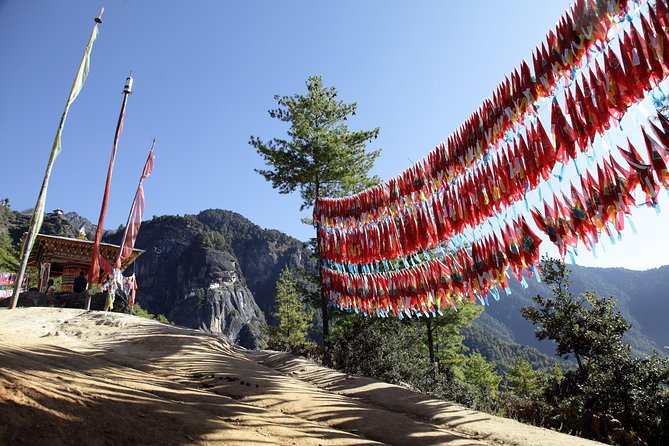
The hike to Paro Taktsang, better known as Tiger’s Nest, is the physical high point of the trip. The visit is planned for about five hours. The monastery is one of Bhutan’s holiest and most recognizable places, perched high above the Paro Valley.
The story behind the name comes from Guru Rinpoche, who is said to have flown to the site on the back of a tigress in the eighth century. You will want sturdy shoes, water, and a realistic view of your fitness. The tour information says most people can participate, but a five-hour mountain hike still deserves preparation.
Do not treat Tiger’s Nest as a quick final attraction. The time includes the effort needed to reach the monastery and return, along with time at the site. Your private guide can make the day more manageable by keeping the pace suited to your group, but the climb remains your responsibility.
Kyichu Lhakhang follows, with about 45 minutes to visit one of Bhutan’s oldest temples. After that, you detour to Dzongdrakha Temple, another sacred place associated with meditation by great Buddhist masters. These smaller Paro stops help round out the day after the famous hike.
The combination works well. Tiger’s Nest gives you the dramatic view and demanding walk, while Kyichu Lhakhang and Dzongdrakha offer quieter religious settings.
Day 7: A simple airport departure
The final day is straightforward. The team drives you to the airport in Paro and says farewell. About 30 minutes is allocated for the departure transfer, so you should confirm the exact pickup time with the tour team in advance.
There is no sightseeing scheduled on this day. That is practical, since airport timing can be unpredictable and you do not want to rush away from a final temple visit.
What the $2,200 price includes
At $2,200 per person, the package has a strong value if you want a private, organized trip with substantial coverage. The price includes accommodation, private transportation, entrance fees, internal taxes and charges, Bhutan’s government Sustainable Development Fee of $100 per person per night, the Bhutan visa, seven breakfasts, six lunches, and six dinners.
Mineral water and transportation are also included in the general tour description. That reduces the need to manage small daily costs while moving through several valleys and towns.
You still need to budget for airfare, travel insurance, laundry, alcohol, and other beverages. A solo visitor also pays a $350 single supplement. Those extras matter, especially if your international flight to Bhutan is expensive.
I would judge the price mainly by the value of having a private guide and vehicle across a demanding seven-day route. You are paying not only for temple visits, but also for planning, transfers, meals, official fees, and access to a monastic stay and meditation schedule.
Guides, transport, and the level of personal care
The tour is private, so only your party participates. Pickup is offered, and internal transportation is included. This is useful in Bhutan, where the route covers Thimphu, Dochu La, Gangtey, Punakha, and Paro rather than staying in one base.
The people organizing the trip receive particularly strong praise for care and professionalism. Thinley is noted for being helpful during the planning stage. Guide Pema and driver Nima are praised for respectful, professional service and careful treatment throughout the visit.
Those details matter more here than they might on a short city tour. You will spend many hours with your guide and driver, and you may want explanations about Buddhist customs, timing at monasteries, and how to take part respectfully in prayer or meditation.
The tour is also listed as suitable for most people and near public transportation, though the itinerary itself includes mountain walks and the five-hour Tiger’s Nest hike. Use the private format to discuss your limits honestly before the trip.
Who should book this spiritual tour?
I would recommend it to you if you want Bhutan’s religious life to be central to the trip rather than a side topic. It suits people interested in meditation, Buddhist traditions, sacred architecture, local ritual, and time in quieter places.
It is also a good match if you value a private vehicle, flexible pacing, included meals, and a guide who can explain what you are seeing. The overnight monastery stay gives the trip a focus that a normal sightseeing circuit would not provide.
I would think twice if you want nightlife, a luxury resort atmosphere, or a relaxed schedule with late mornings. The 5:30 a.m. prayer option, long drives, mountain roads, and Tiger’s Nest hike make this an active spiritual holiday.
The experience has a 5 out of 5 rating from 27 reviews, with 100 percent recommending it. That strong record fits the tour’s best qualities: careful personal service, a meaningful monastery stay, and a well-planned route through Bhutan’s major sacred places.
FAQ
How long is the Bhutan Spiritual and Wellness Tour?
The tour lasts approximately seven days.
Where does the tour take place?
The tour is based in Bhutan and includes Thimphu, Gangtey, Punakha, and Paro, with airport departure from Paro.
Is this a private tour?
Yes. Only your group participates, and the tour is private and customizable.
Is transportation included?
Yes. Private transportation and pickup are offered as part of the experience.
Is accommodation included?
Yes. Accommodation according to the itinerary is included, including the monastic stay at Gangtey Monastery.
Are meals included?
Seven breakfasts, six lunches, and six dinners are included. Mineral water is also provided.
Is the Bhutan visa included?
Yes. The Bhutan visa, entry fees, internal taxes and charges, and the government Sustainable Development Fee of $100 per person per night are included.
What is not included in the price?
Airfare, travel insurance, laundry, alcohol and other beverages, and the $350 single supplement are not included.
Can I cancel for a full refund?
Yes. You can receive a full refund if you cancel at least 24 hours before the experience starts. Cancellations or changes made less than 24 hours before the start time are not accepted for a refund.
Should you book it?
Book this tour if you want Bhutan through its monasteries, rituals, meditation, and sacred stories, and if you are comfortable with early mornings and mountain walking. The Gangtey stay is the main reason to choose it, while the private transport and included fees make the $2,200 price easier to justify.
If you want a gentle sightseeing holiday, choose a less active program. But if you want time to pause, pray, learn, and visit places such as Tiger’s Nest and Punakha Dzong with personal guidance, this is a thoughtfully focused way to see Bhutan.
Just added around the world
- Zermatt: Private Night Spa★ 5.0 · 3 reviews
- Hoi An: Ylang Ylang Spa Experience (Free pick up for 2pax++)★ 4.5 · 17 reviews
- Zell am See: Tauern SPA Day Ticket for Water World★ 4.5 · 9 reviews
- Watersport Bali: Banana Boat, Parasailing, JetSki + Spa Bali★ 4.3 · 3 reviews
- Xi’an: Traditional Chinese Massage or Spa with Meal★ 4.7 · 13 reviews
- Yoga And Balinese Massage Home Services★ 5.0 · 3 reviews
- Valencia: Spa Cobre 29 Wellness Experience at Hotel Meliá★ 4.5 · 37 reviews
- Valletta: Private Massage from a world renowned masseuse★ 4.6 · 9 reviews
Tours, compared.
Lake Vouliagmeni Thermal Spa And Temple Of Poseidon Private Full Day Tour
Read our review →
From Malaga: Hammam Bath, Kessa and Relaxing Massage Tour
Read our review →
Melbourne: Peninsula Hot Springs Early Bathing & Scenic Tour
Read our review →
Hurghada: Cleopatra Plus Spa, Massage, Shared Tour
Read our review →
Silfra: Hot and Cold Snorkeling and Spa Tour – Self Drive
Read our review →
Marrakech: Souk Tour & Berber Hammam with Massage
Read our review →