
Review · BALI
Bali: Healing Immersion Ubud Balinese Wellness + Lunch
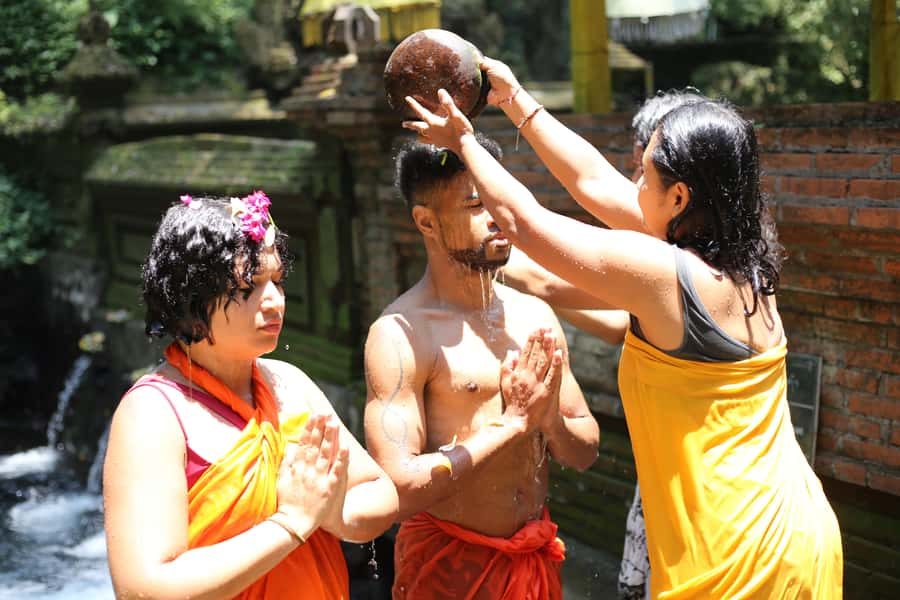
Slow down and let Bali set the pace. This six-hour experience combines a guided Melukat water purification ceremony at a holy spring or temple with a calming Balinese sound-healing session, giving you a closer look at local spiritual practice than a standard sightseeing tour. I especially like the small group size, limited to 10 people, and the choice of Indonesian or Western food, including vegetarian, vegan, and non-vegetarian meals.
I also like that English-speaking local teachers explain the ritual rather than leaving you to guess what each prayer, offering, or movement means. The main consideration is that this is a spiritual and cultural activity, not a spa day. Temple rules are strict, the schedule starts at 7 AM, and the experience may not suit people with back problems, serious health conditions, or limited mobility.
Key points to know before booking
- Holy-water purification: Take part in a guided Melukat ritual using sacred spring or temple water.
- Sound healing with Balinese mantras: Use rhythm, tone, and sacred sound to encourage calm and emotional release.
- Small group setting: The experience is limited to 10 participants, allowing room for questions and personal guidance.
- Lunch for different diets: Choose vegetarian, vegan, or non-vegetarian food, with Indonesian or Western options.
- Ubud-based schedule: Meet at Pranasanti Yoga in Ubud, or arrange optional pickup within the Ubud area.
- Cultural rules matter: Sarongs are provided, but women may not join the temple activity during menstruation.
What this six-hour Ubud experience is really about
This outing is built around two traditional Balinese practices. The first is Melukat, a purification ceremony connected with holy water, prayer, offerings, and spiritual balance. The second is Balinese sound healing, using sound frequencies and sacred mantra to support relaxation and emotional release.
I would not book this expecting a conventional massage, yoga class, or quick photo stop. The focus is inward. You are asked to take part respectfully, listen to explanations, and follow the ritual steps. That makes the experience a good fit if you want culture with a wellness angle, but less suitable if you prefer a busy day packed with attractions.
The program lasts about six hours and begins at 7 AM. That early start is useful in Ubud, where roads can become slow later in the day, but it means you need to be ready at the meeting point on time. The official meeting point is Pranasanti Yoga in Ubud. Optional pickup is available in the Ubud area, with hotel-lobby pickup arranged in advance.
The group limit of 10 is one of the strongest features here. A small group gives the English-speaking and Indonesian-speaking instructors a better chance to explain the ceremony and help you follow local customs. It also keeps the sound-healing session from feeling like a large commercial class.
A few more spa visits around Indonesia worth a look
- Ubud: Wellness Retreat with Massage, Yoga Class, and Lunch
★ 4.8 · 93 reviews - Half-Day Spa Escape in Batam with Lunch
★ 5.0 · 81 reviews - Top 2 Toe Spa Packages in Batam with Lunch
★ 4.5 · 28 reviews
Starting at Pranasanti Yoga in Ubud
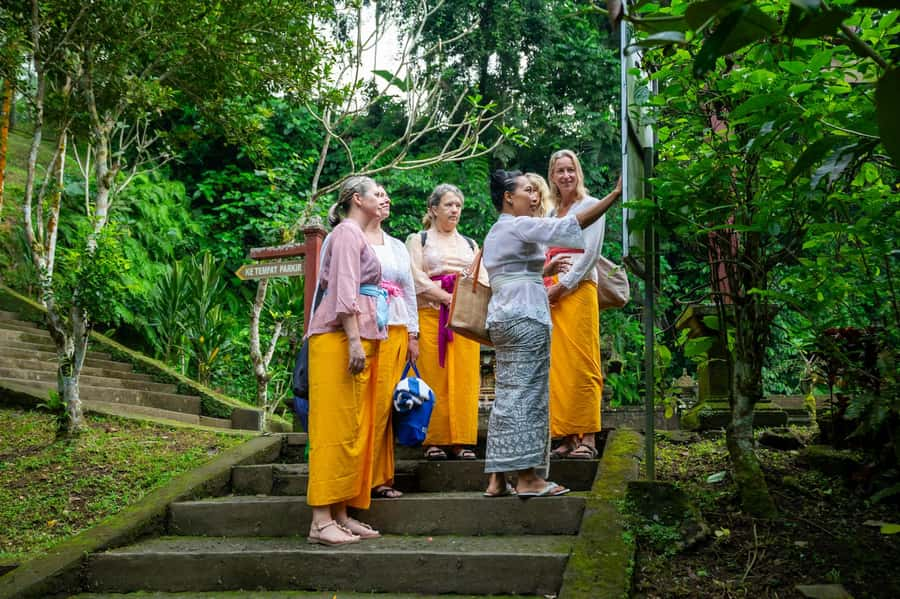
Your day begins at Pranasanti Yoga, the stated meeting point in Ubud. If you arrange pickup, you should be ready in your hotel lobby. Pickup is limited to the Ubud area, so hotels in Canggu, Kuta, Seminyak, Uluwatu, Nusa Dua, and Denpasar are not covered by this option.
That boundary matters when you are planning your Bali base. If you are staying outside Ubud, you need to make your own way to the meeting point or choose a separate product that includes a return transfer from those areas. Do not assume that the optional pickup covers the whole island.
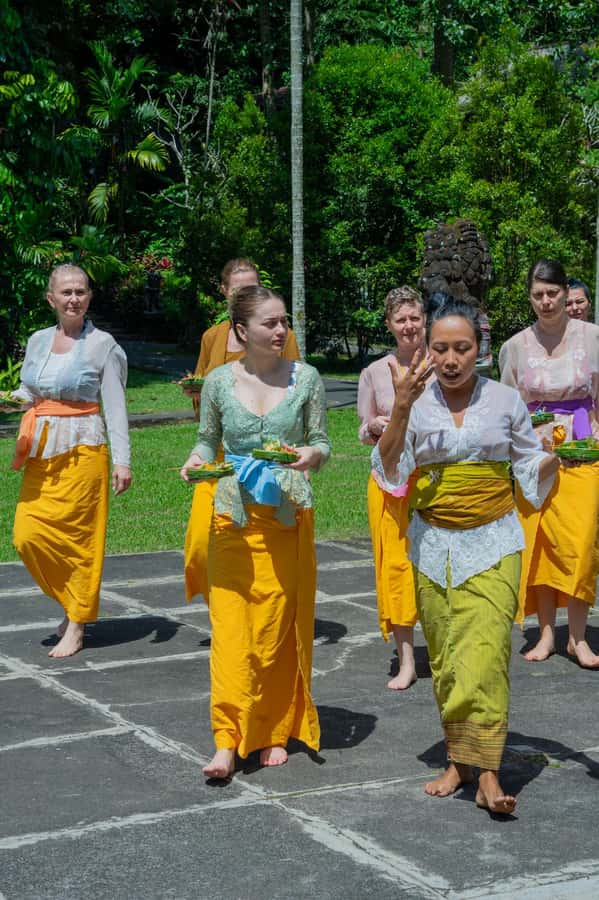
Wear comfortable clothing suitable for walking and temple visits. Bring comfortable shoes, a change of clothes, and rain protection if the forecast looks uncertain. The activity runs rain or shine, so a wet-weather plan is part of the deal.
A sarong will be provided for temple activities. You still need clothing that feels respectful and practical. The day may include walking, waiting, and ritual activity, so this is not the time for stiff formalwear or shoes you cannot easily manage.
Learning the meaning of Melukat purification
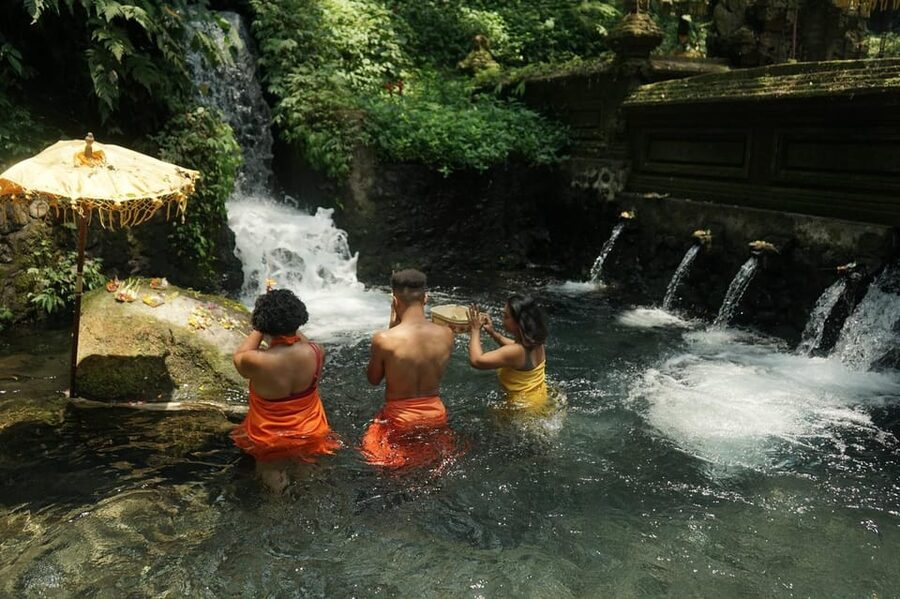
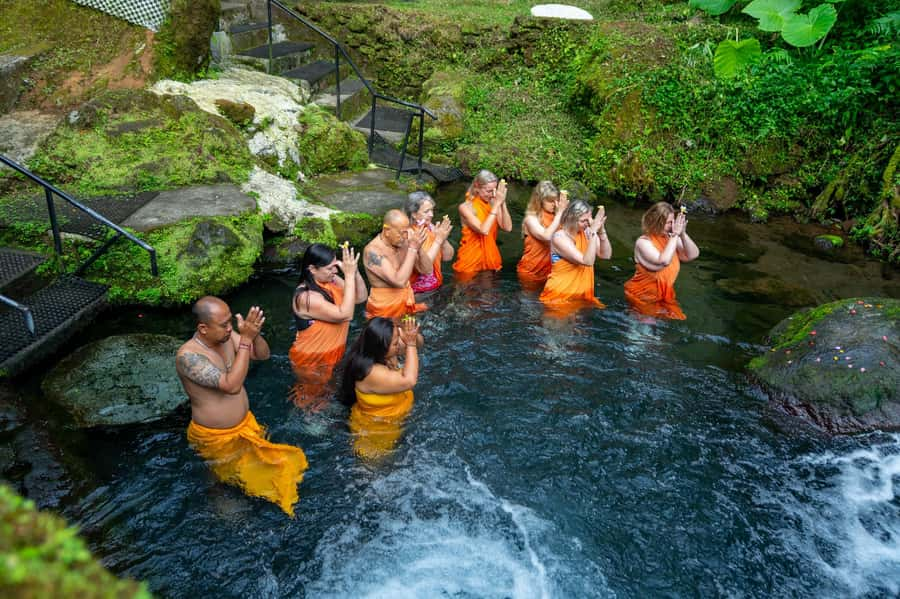
The Melukat ceremony is the heart of the experience. In Balinese tradition, it is a sacred purification ritual intended to clear negative influences and restore balance in the mind, body, and spirit. The holy water comes from a natural spring or temple source, giving the ceremony a direct connection with place and local belief.
You will be guided through the basic steps, including prayers, offerings, and the symbolic use of sacred water. The value here is not simply getting wet at a beautiful site. The instructor helps you understand why the water is used and how the ceremony fits into Balinese spiritual life.
That explanation makes a difference. Without guidance, a visitor might see only a sequence of movements and miss the meaning. With a local teacher, you can take part with more care and avoid treating a sacred practice like a photo opportunity.
You should also expect the ritual to be conducted according to local custom rather than your personal schedule. This calls for patience. The experience is designed around respect and spiritual attention, not speed.
The temple entrance ticket is included in the price. That removes one common extra cost, though personal expenses are not covered. Alcohol and drugs are not allowed, and littering is prohibited. Those rules are basic, but they matter more in a temple setting.
A sound-healing session built around mantra
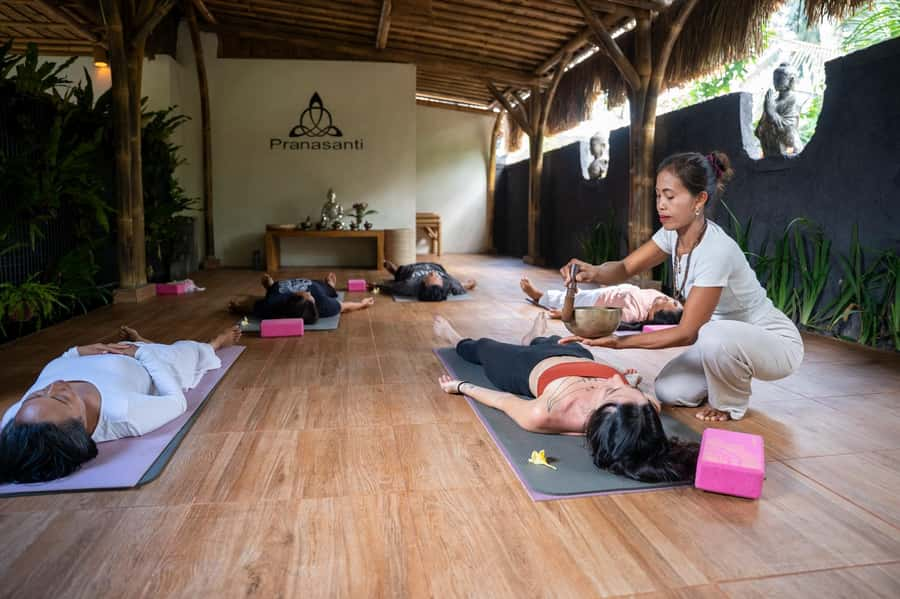
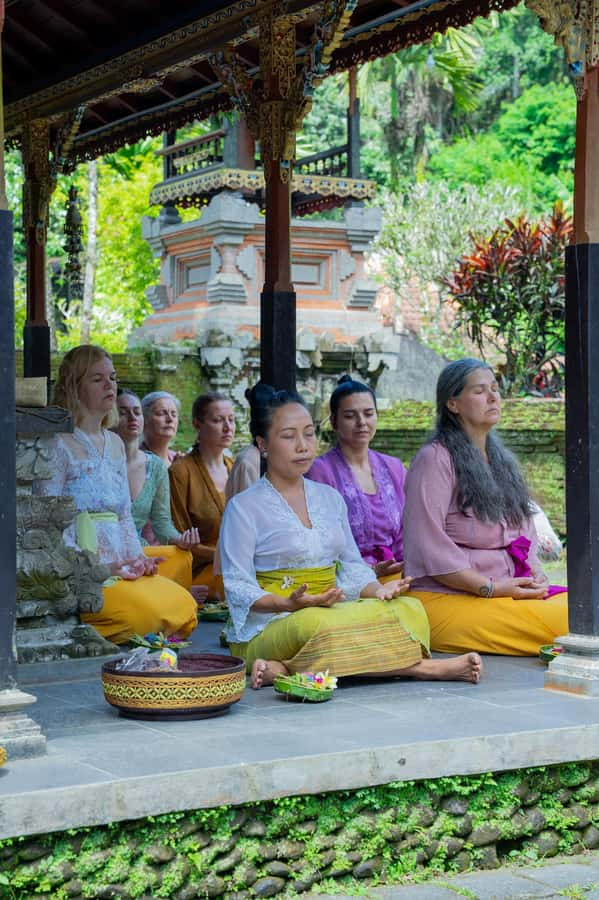
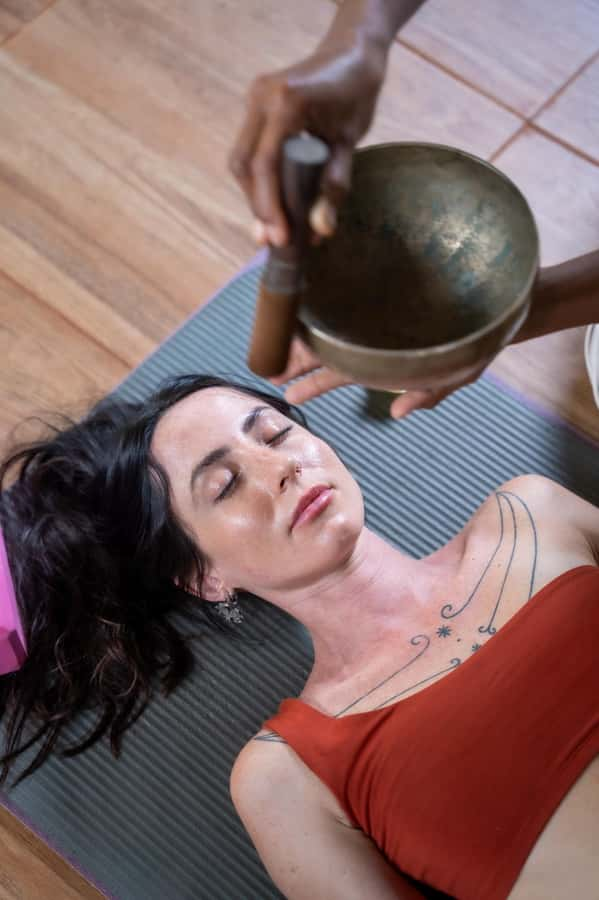
After the purification ritual, the program turns to Balinese sound healing. The session explores how sound frequencies and sacred mantra may help reduce stress, support emotional release, and encourage a stronger sense of calm.
I like the pairing of the two activities. Melukat gives the morning a clear cultural and ritual focus, while sound healing offers a quieter period for reflection. The first asks you to take part in a traditional ceremony. The second gives you space to settle and notice how you feel.
It is worth keeping your expectations realistic. Sound healing can feel powerful for some people and simply relaxing for others. The program presents it as a therapeutic practice, but it is not a replacement for medical care or treatment. If you have a serious health condition, this activity may not be suitable.
The spiritual language may also feel unfamiliar. You do not need to share every belief to behave respectfully, but you should be comfortable taking part in a ritual setting. If you prefer wellness activities with no religious or cultural element, a standard spa treatment may be a better choice.
Same place, a different way to unwind:
- Body Massage Experience in Ubud Traditional Spa
★ 5.0 · 3,506 reviews - Bali: Traditional Balinese Massage at Your Residence
★ 4.8 · 395 reviews - Ubud: Riverside Spa Treatment near Bali Zoo
★ 4.9 · 315 reviews - Bali Luxury Spa Massage and flower Bath 2 hour Treatmen
★ 4.5 · 167 reviews
Lunch with Indonesian and Western choices
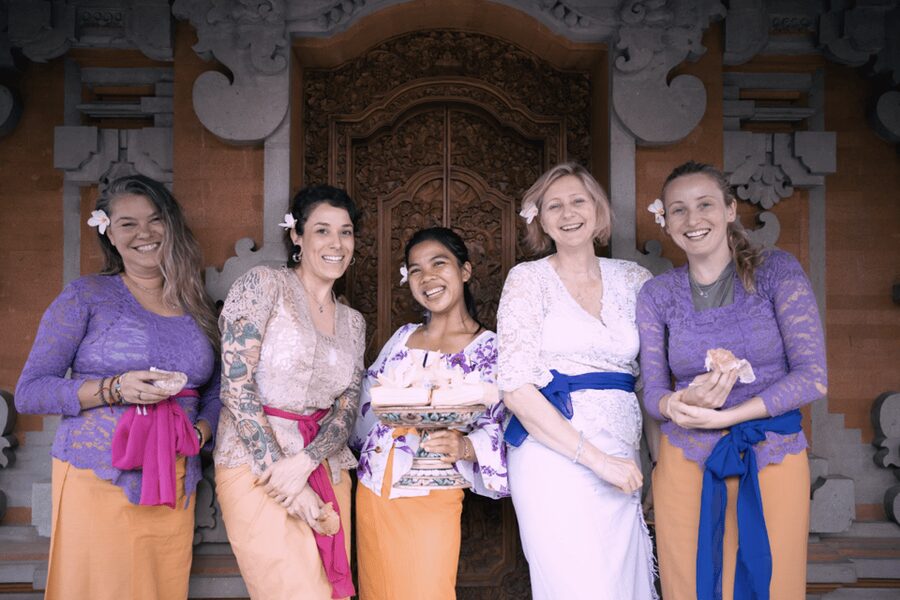
Food is included, which helps make the $55 price easier to assess. You can select vegetarian, vegan, or non-vegetarian food, with Indonesian or Western options. Water, coffee, and tea are also provided.
That range is practical for a mixed group. You do not need to settle for one fixed meal, and people with different diets can take part without arranging separate food. The details do not specify the exact dishes, so you should not book expecting a particular local recipe or menu.
Still, the meal adds useful value to a six-hour activity. You are not paying only for access to a temple and a sound session. The price includes local instruction, temple entry, drinks, and lunch, with food choices that cover several common dietary needs.
At $55 per person, this is a fair package if you want a guided cultural activity with wellness elements. The small group is important to that calculation. A larger group might make the price feel less appealing, but a limit of 10 gives the program a more personal scale.
Why the local guide matters
The local teachers are English-speaking, and instruction is also available in Indonesian. That language support is especially useful during Melukat, where small details of conduct can matter.
The provider is Pranasanti By Luh Manis. The strongest praise in the available feedback focuses on the host’s care, professionalism, and ability to create a positive atmosphere. One participant described the host as attentive and said the experience left them feeling healed and centered. Another called the activity a way to discover both Balinese culture and yourself.
I would give those comments the proper weight, but not treat them as a promise. Feelings after a spiritual activity vary from person to person. What you can reasonably expect is a structured program with local instruction, not a guaranteed emotional breakthrough.
The high overall rating, 4.9 from five reviews, is encouraging, though the sample is small. The comments include praise in English, French, and German, with repeated approval for the organization, the people involved, and the cultural element. One rating was four stars rather than five, so the response is strongly positive without being perfectly uniform.
Who will get the most from this experience
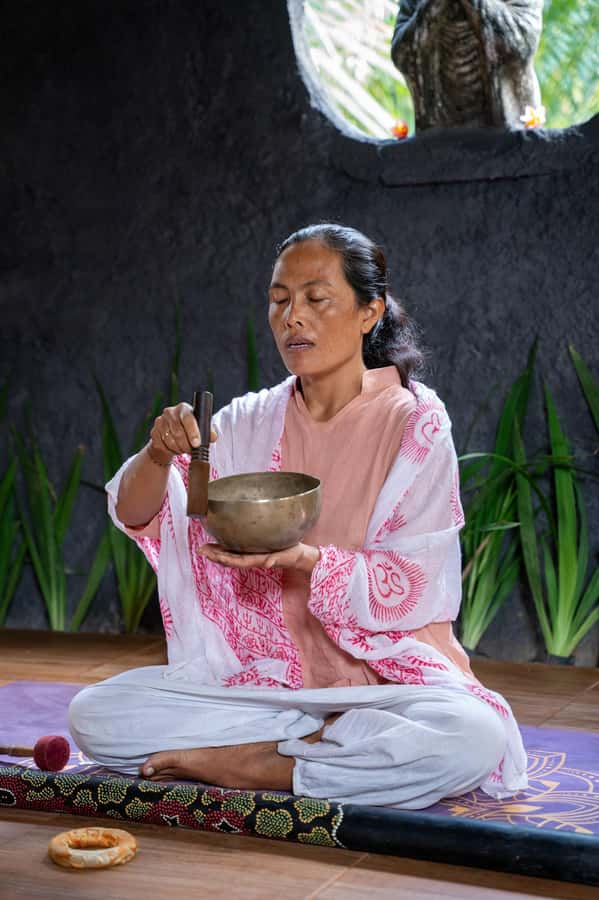
This activity suits you if you want to connect with Bali through a living tradition rather than only through temples and scenic stops. It is also a good option if you like wellness activities but want more cultural context than a private treatment room provides.
You may especially appreciate it if you:
- Want a small group rather than a large coach tour
- Are curious about Balinese purification rituals
- Enjoy guided meditation, mantra, or sound-based relaxation
- Need vegetarian, vegan, or non-vegetarian meal choices
- Are staying in Ubud and can meet early
- Prefer a slower, reflective morning to a packed sightseeing schedule
It may not suit you if you need wheelchair access, have back problems, are pregnant, or have a serious health condition. The activity is also not suitable for people with altitude sickness or people over 95 years old, according to the stated restrictions.
Women who are menstruating cannot take part in the temple activity. This is a local religious rule and should be treated with respect. If it applies to you, ask the provider about the activity before booking rather than arriving and hoping the rule will be flexible.
Practical details that can make or break the morning
Arrive at the meeting point before the 7 AM start. A late arrival could affect the group because the program includes a timed sequence of travel, sightseeing, ritual activity, sound healing, and lunch.
The exact starting location depends on the option selected, but Pranasanti Yoga in Ubud is the listed meeting point. Check your selected option carefully, especially if you are relying on pickup.
Bring a change of clothes. The purification activity involves sacred water, so dry clothing can make the rest of the morning much more comfortable. Comfortable shoes are also important because the day includes walking and temple visits.
Rain does not automatically cancel the program. Bring suitable rain gear, and avoid assuming that an umbrella alone will handle every part of the day. The organizers state that the activity continues in wet weather.
Cancellation is flexible up to 24 hours before the start for a full refund. You can also reserve now and pay later, which helps if your Ubud plans are still moving around.
Is $55 a good value in Bali?
For six hours, $55 per person is a reasonable price when you use the included elements. The package covers local English-speaking instruction, temple admission, drinks, lunch, the Melukat ceremony, sound healing, and optional Ubud pickup.
The value is strongest for people who would otherwise book several separate activities. A cultural temple visit, a wellness session, and lunch could easily become a more complicated morning if arranged independently. Here, the parts are connected by one guide and one schedule.
The price is less compelling if you mainly want sightseeing or a luxury spa treatment. This is not presented as a premium resort service, and personal expenses are extra. Its value comes from access to guided ritual and cultural explanation in a small group.
I would also factor in location. Staying in Ubud keeps the morning simple. If you are based elsewhere, the time and cost of reaching Ubud may reduce the appeal, even though the activity itself is fairly priced.
Should you book the Ubud healing immersion?
Book it if you want a thoughtful half-day that joins Balinese ritual with sound-based relaxation. The small group, meal flexibility, local teachers, and included temple entry make it a practical choice at $55, especially for an Ubud stay.
Skip it if you want a purely secular wellness session, a fast sightseeing tour, or a fully accessible activity. The temple rules, early start, walking, weather exposure, and spiritual focus are not minor details.
My advice is to arrive with curiosity and respect, not a promise that you will experience a life-changing moment. If you are comfortable with that, this program offers a meaningful way to see a side of Bali that is easy to miss when you stick to markets, cafés, and photo stops.
FAQ
How long does the Bali healing experience last?
The activity lasts six hours. The schedule begins at 7 AM, and the day returns to Ubud.
Where is the meeting point?
The meeting point is Pranasanti Yoga in Ubud. The exact starting location may depend on the option selected.
Is hotel pickup available?
Optional pickup is available within the Ubud area. You should be ready in your hotel lobby if you arrange pickup.
Is lunch included?
Yes. The experience includes a choice of vegetarian, vegan, or non-vegetarian food. You can choose between Western and Indonesian food.
Are drinks included?
Yes. Water, coffee, and tea are included.
What does the Melukat ceremony involve?
The guided ceremony includes prayers, offerings, and the symbolic use of sacred water from a natural spring or temple for spiritual purification.
Is the experience available in English?
Yes. The instructors speak English and Indonesian, and the local teachers provide guidance during the activities.
What should I bring?
Bring comfortable shoes, comfortable clothing, and a change of clothes. Rain gear is also useful because the activity operates in wet weather.
Can women take part in the temple activity during menstruation?
No. Temple activity is not allowed for women during menstruation, in keeping with local customs.
Just added around Indonesia
- Watersport Bali: Banana Boat, Parasailing, JetSki + Spa Bali★ 4.3 · 3 reviews
- Yoga And Balinese Massage Home Services★ 5.0 · 3 reviews
- Ubud: Svaha Spa Kenderan Massages and Treatments★ 5.0 · 2 reviews
- Ubud: Tejas Spa Unagi Massage & Flower Bath E-Voucher★ 5.0 · 4 reviews
- Ubud: Tejas Spa Unagi Riverfront Massage & Flower Bath★ 5.0 · 4 reviews
- Ubud Spa : All Inclusive 2 Hours Spa Treatment★ 4.8 · 2 reviews
- Ubud: Svaha Spa Bisma Relaxing Experience★ 5.0 · 3 reviews
- Ubud: Svaha Spa Celuk Massage and Day Club Experience★ 5.0 · 9 reviews
Bali Massage and Spa, compared.
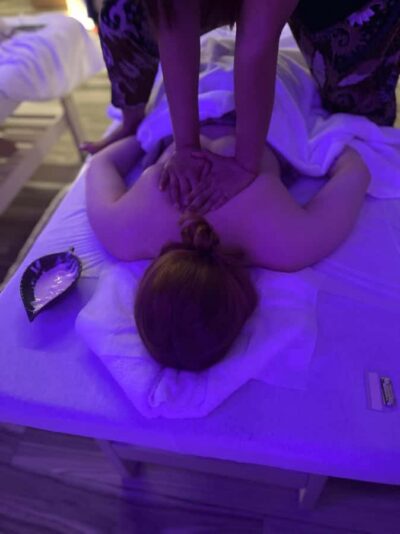
Bali: Traditional Balinese Massage at Your Residence
Read our review →
Ubud: Floating Breakfast, Jungle Swing & Spa Romantic Tour
Read our review →
Ubud: Wellness Retreat with Massage, Yoga Class, and Lunch
Read our review →
Bali: Luxury Spa Balinese Massage scrub Flower bath 2 Hour
Read our review →
Ubud: Spa Treatment with Scenic Rice Paddy Views
Read our review →
Bali: Balinese Ancient Healing Massage Experience
Read our review →
Bali: Full Body Massage And Balinese Body Scrub Home Service
Read our review →Where else this treatment appears