
Review · HANOI
Traditional Vietnamese Massage Courses
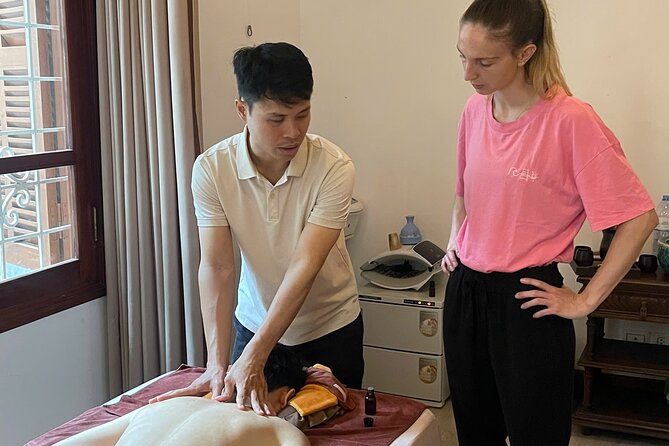
Learn a healing tradition with your hands. This Hanoi course combines hands-on instruction with the work of a social enterprise that supports blind therapists and ethnic minorities. I like the personal teaching style and the chance to learn acupressure, palm pressure, and stretching in a real massage sequence. The main drawback is the price: $68 for about three hours is fair for private instruction, but higher than a simple spa treatment.
The course suits beginners, wellness-minded visitors, and professionals who want local techniques rather than a passive massage. You practice with a partner or mannequin, receive feedback from a certified therapist, and leave with a certificate. The schedule is flexible, though confirmation can take up to 48 hours and availability is not guaranteed until then.
Key points to know before booking
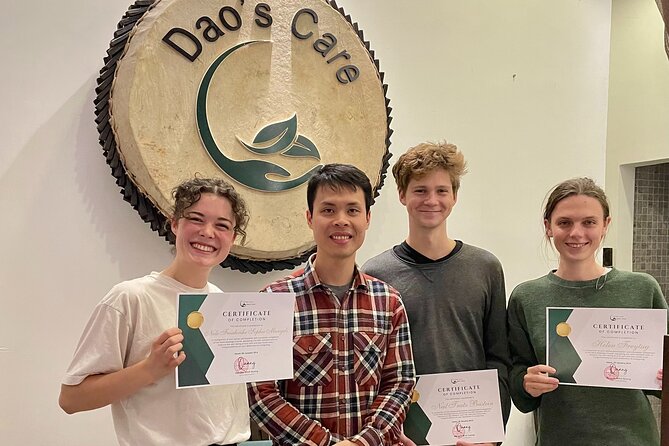
- A private three-hour class: Only your group takes part, so the pace can be adjusted to your needs.
- Vietnamese techniques with practical use: You learn acupressure, palm pressure, deep tissue work, and muscle stretching.
- A social purpose: The experience supports an organization that empowers blind therapists and ethnic minorities.
- A complete massage sequence: Practice covers the back, shoulders, legs, and arms, rather than a single isolated technique.
- Useful extras included: Massage oils, lotions, herbal tea, light snacks, and a certificate are part of the price.
- Easy start and finish: Meet at Dao’s Care Spa in Tây Hồ, Hanoi, and return there when class ends.
What makes this Hanoi massage class different
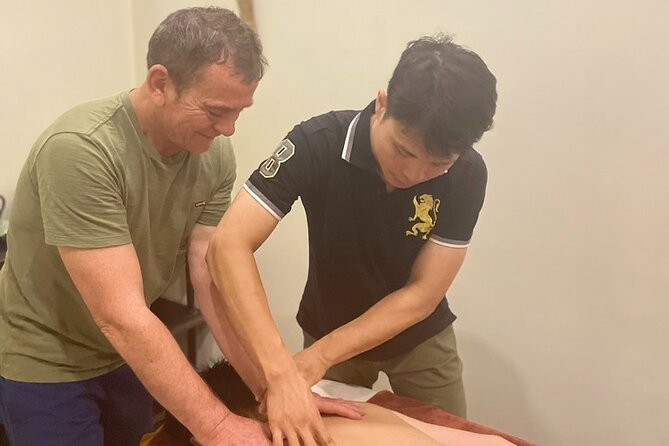
Many visitors book a Vietnamese massage for an hour, enjoy the quiet room, and leave feeling loose. This experience asks you to slow down and understand what the therapist is doing. You are not only receiving pressure. You are learning how pressure, posture, timing, and movement fit together.
That change matters. A spa treatment is relaxing, but it can pass in a pleasant blur. A class gives you something to take home. You learn a routine that may help you massage a partner, understand professional techniques, or simply pay closer attention during future treatments.
The social purpose also adds weight to the experience. Dao’s Care is known for supporting blind therapists and ethnic minorities. Your booking therefore connects a practical holiday activity with a local employment and training mission. The supplied information does not give a detailed account of the organization’s programs, so I would not treat the class as a full social-impact tour. Still, the purpose is a meaningful reason to choose this course over a standard commercial lesson.
A few more spa visits around Hanoi worth a look
- L’essence Relaxation Package for Lady: 240’
★ 5.0 · 176 reviews - Serene Experience Spa Package
★ 5.0 · 123 reviews - 90 Minutes Thai Royal Massage
★ 5.0 · 104 reviews
Arriving at Dao’s Care Spa in Tây Hồ
The meeting point is Dao’s Care Spa at 20 P. Quảng Khánh, Quảng An, Tây Hồ, Hà Nội. The class begins and ends at the spa, and private transportation is not included. You will need to arrange your own way there and back.
That fixed start and end point keeps the logistics simple. You do not need to track down several stops across Hanoi, and you can plan another activity after class without wondering where the lesson will finish. Give yourself enough time to reach Tây Hồ, especially if you are unfamiliar with Hanoi’s street layout.
The experience is offered as a private activity for your group. That is one of its strongest features. You avoid practicing in front of a large class, and you can ask for a slower explanation when a movement feels unclear. A private format also makes it easier to focus on your own posture and hand position.
The tradeoff is cost. At $68 per person, the class asks more than a basic shared activity. Group discounts are available, so the price may work better if you are booking with friends or family. Since the group size is not specified, ask about the discount and maximum number of participants before paying if value is your main concern.
The first lesson: Vietnamese massage and its cultural roots
The session opens with a short introduction to the cultural roots of Vietnamese massage. This gives the techniques a setting instead of presenting them as a random collection of hand movements.
The introduction is brief, so do not expect a long lecture on Vietnamese medicine or a detailed academic history. Its value is practical. You get a reason for the methods before you begin practicing them, and you can better understand why acupressure, stretching, and rhythm are used together.
That short opening should also help you settle into the class. Massage training requires attention to small details. The way you stand, place your hands, and shift your weight affects the comfort of the person receiving the massage. Starting with context and basic ideas gives the rest of the session a clearer shape.
The instructor is a certified massage therapist. One participant specifically praised a trainer named Nguyen for precision, patient guidance, and listening during a longer private Vietnamese deep tissue course. That account refers to a five-day class rather than this three-hour program, so you should not assume Nguyen will teach every session. Still, it suggests the spa can provide close technical instruction for students who want careful correction.
Learning pressure, rhythm, and safe movement
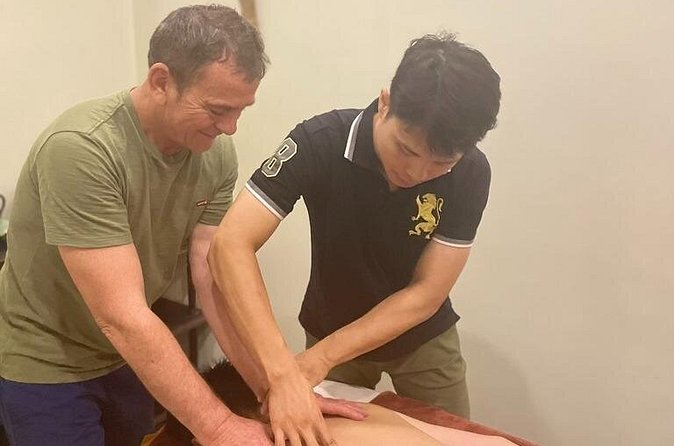
The central lesson focuses on how posture, rhythm, and pressure work together. These are easy ideas to understand in theory and harder to perform well with your hands.
You begin with guided practice, then work through the movements yourself. The instruction includes acupressure, palm pressure, and muscle-stretching methods. These techniques are presented as part of Vietnamese traditional massage and are aimed at full-body relaxation.
Acupressure requires control. Press too lightly and the movement may feel ineffective. Press too hard and it can become uncomfortable. A private teacher can watch your hand position and tell you how to adjust, which is much more useful than copying a video after class.
Palm pressure gives the massage a broader, more grounded feel. Instead of relying only on fingertips, you learn to use the palm in a controlled way. Muscle stretching adds movement to the routine, so the session is not only about pressing into the body.
You will also learn why rhythm matters. A massage feels more natural when movements connect rather than stop and start. The course treats the massage as a sequence, not a bag of tricks. That is especially helpful if you have never practiced before.
Same place, a different way to unwind:
- Deep Muscular Therapy
★ 5.0 · 496 reviews - Hoang’s Spa for Relaxing Foot Massage
★ 5.0 · 82 reviews - Hoang Spa Nourishing Shampoo & Head Shoulders Face Massage
★ 5.0 · 58 reviews - Hoang Spa Thai Massage
★ 5.0 · 34 reviews
Practicing the back, shoulders, legs, and arms
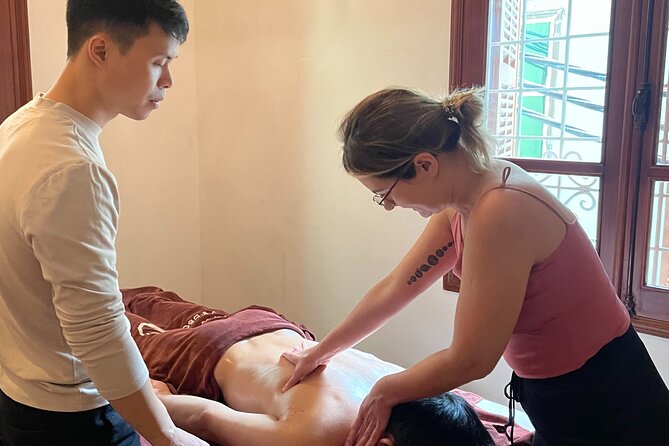
The hands-on portion works across the main areas of a full-body routine. Practice includes the back, shoulders, legs, and arms. This broad coverage is one reason the course feels more useful than a lesson that only covers one technique.
The back and shoulders are natural starting points for many massage routines. They allow you to practice palm pressure and learn how to keep a steady rhythm across a wider area. The class also brings attention to the legs and arms, helping you build a routine that feels complete.
You may practice with a partner or a mannequin. The option matters because not every student arrives with a companion, and some beginners prefer first learning on a model designed for practice. The supplied details do not specify how long you spend with each option, so the exact balance will depend on the instructor and your group.
Expect the therapist to demonstrate movements, then guide you as you try them. Personalized feedback is included, which means you are not left to guess if your angle or pressure is correct. This is where a private course earns much of its price.
One point to keep in mind: massage instruction is physical. You will need to pay attention to your own posture as well as your partner’s comfort. The course is designed for most people, but anyone with a medical concern should decide in advance if hands-on practice is suitable.
What the three hours feel like
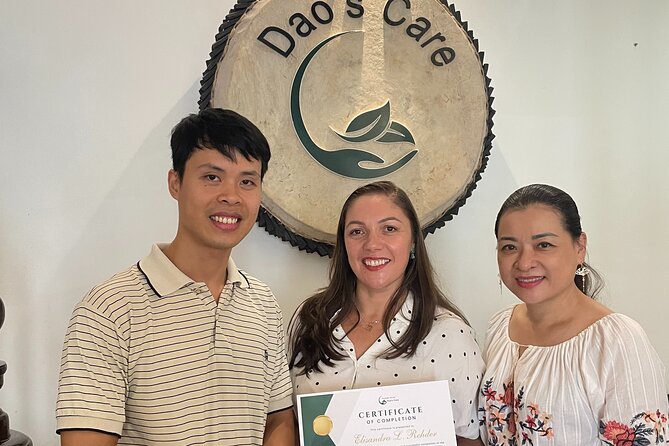
The listed duration is about three hours. That is long enough to cover an introduction, guided demonstrations, practice, and a full-body routine without turning the class into a full professional training program.
I would think of it as a serious introduction rather than a qualification for professional work. You gain a foundation in Vietnamese techniques and receive a certificate of completion, but the information provided does not describe the certificate as a professional license. If you already work as a massage therapist, the class may help you refine certain movements, yet you may want to ask how advanced the instruction will be before booking.
For a first-time student, three hours should provide a useful amount of repetition. You can practice a movement, receive correction, and try again. That is more effective than a fast demonstration followed by a rushed attempt.
The private format may also make the pace more flexible. Beginners can spend more time on basic hand placement, while experienced students may ask for closer attention to pressure or stretching. The course description says it is adaptable for beginners, visitors, and professionals, but it does not promise a custom curriculum. Think of flexibility in pacing, not a completely bespoke syllabus.
Oils, refreshments, and the certificate
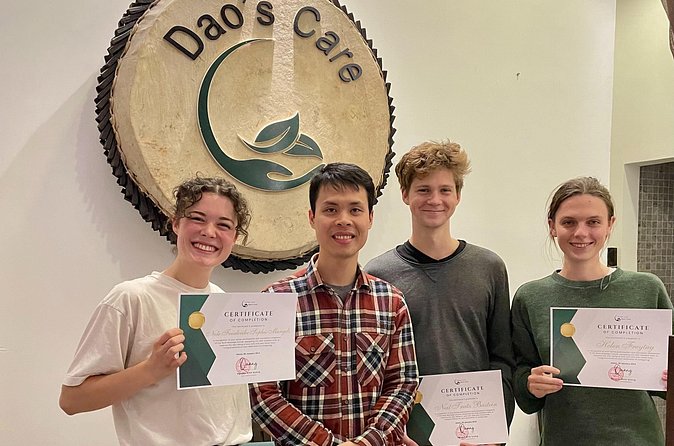
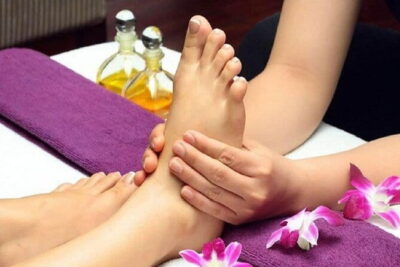
Massage oils and lotions are included. That may sound minor, but using the right product affects hand movement. Oil helps the palm glide, while lotion can offer a different amount of grip. Practicing with the materials used in the class makes the lesson more realistic.
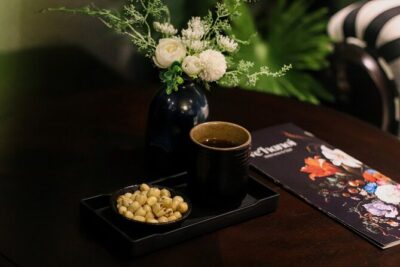
Herbal tea and light snacks are also provided. They are small touches, but welcome after a concentrated session. You are using your hands, shoulders, and attention for several hours, so a refreshment break can help the class feel less demanding.
Lunch is not included. Plan to eat separately, especially if the course falls near midday. Since the experience lasts about three hours, do not assume the included snacks will replace a meal.
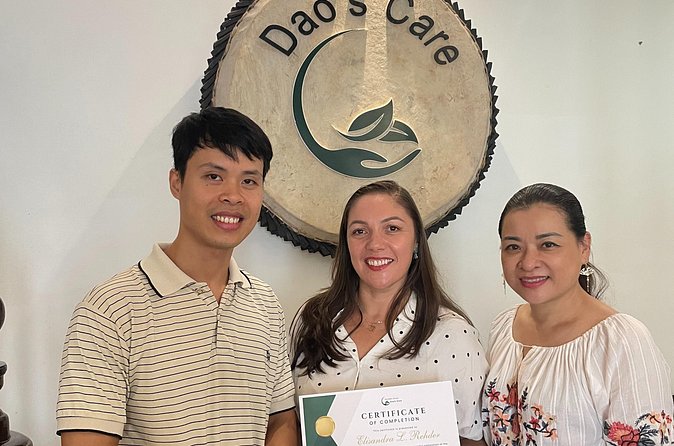
The certificate gives you a simple record that you completed the course. It may be useful as a personal souvenir or as proof of participation. The provided information does not state that it carries formal professional recognition, so I would not book the class solely for career credentials.
How the price compares with the experience
At $68 per person, the cost is best judged against the amount of instruction rather than the price of a regular massage. You are paying for a certified therapist, private group format, hands-on practice, oils and lotions, refreshments, and a certificate.
That is a reasonable package for someone who wants an active cultural experience. You receive personal feedback instead of simply lying on a massage table, and the techniques can remain useful after you leave Hanoi.
The value is less clear if your only goal is relaxation. A regular massage will likely give you more rest for less money, while this class asks you to concentrate and practice. You should choose it because you want to learn, not because you want a three-hour spa break.
Group discounts improve the calculation for couples, families, or friends. Ask about the current discount before booking, since the exact reduction is not supplied. The private format may also make the cost worthwhile for a small group that wants an activity at its own pace.
Who should book this course
I would recommend the class to you if you enjoy learning a local skill rather than collecting another sightseeing stop. It works well for visitors interested in wellness, bodywork, Vietnamese culture, or practical activities that involve real participation.
It is also a good fit if you want to take something home from Hanoi that is not a souvenir. The full-body routine gives you a skill to practice with a partner, and the cultural introduction adds context to the movements.
Massage professionals may find value in the focus on pressure, stretching, posture, and rhythm. Still, ask about the level of instruction if you need advanced training. The description supports a flexible course, but it does not promise specialist certification or a multi-day professional curriculum.
I would be more cautious if you dislike physical participation, feel uncomfortable practicing on another person, or want a purely relaxing spa treatment. This is a class, and you will be expected to listen, move, practice, and accept correction.
The social mission may also guide your choice. If supporting a spa connected with blind therapists and ethnic minorities matters to you, that purpose gives the experience another layer of value.
Booking, confirmation, and cancellation
Confirmation arrives within 48 hours of booking, subject to availability. Do not assume the reservation is final until you receive that confirmation, particularly if you are arranging the class close to your arrival date.
Mobile tickets are available, which keeps check-in simple. You meet at Dao’s Care Spa and return there when the lesson ends. Private transportation is not provided, so local transport to Tây Hồ is your responsibility.
You can cancel for a full refund up to 24 hours before the start time. Cancellations or changes made less than 24 hours in advance are not refunded or accepted. The cut-off follows Hanoi local time, so check the clock carefully if you are booking from another time zone.
My verdict: a useful skill with a local purpose
I like this course because it gives you more than a pleasant afternoon. You learn a complete Vietnamese massage routine, work directly with a certified therapist, and support a social enterprise with a clear focus on opportunity for blind therapists and ethnic minorities.
The $68 price is justified if you value private instruction, hands-on practice, and the chance to keep using what you learn. It is not the best choice for a cheap massage or a quiet wellness session. Book it if you want to participate, ask questions, and leave Hanoi with a practical skill. If that sounds like work rather than fun, choose a regular massage instead.
FAQ
Where does the Vietnamese massage course take place?
The course starts and ends at Dao’s Care Spa, 20 P. Quảng Khánh, Quảng An, Tây Hồ, Hanoi, Vietnam.
How long does the course last?
The experience lasts approximately three hours.
How much does the course cost?
The listed price is $68 per person. Group discounts are available.
Is the course private?
Yes. Only your group participates in the activity.
Is the course suitable for beginners?
Yes. The course is designed to work for beginners, visitors, and professionals seeking to refine their skills.
What techniques are taught?
The course includes acupressure, palm pressure, deep tissue techniques, and muscle-stretching methods. Practice covers the back, shoulders, legs, and arms.
What is included in the price?
The price includes instruction from a certified massage therapist, hands-on guidance, personalized feedback, practice with partners or mannequins, massage oils and lotions, a certificate of completion, herbal tea, and light snacks.
Can I cancel for a refund?
Yes. You can receive a full refund if you cancel at least 24 hours before the experience starts. Cancellations or changes made less than 24 hours before the start time are not accepted or refunded.
Just added around Hanoi
- Wellness Detox Journey In Vietnam★ 5.0 · 19 reviews
- Mesmerizing Vietnam Wellness Tour In 11 Days★ 5.0 · 3 reviews
- Vietnamese Authentic Traditional Massage★ 5.0 · 4 reviews
- spa★ 5.0 · 2 reviews
- Unique massage★ 4.0 · 4 reviews
- Ninh Binh 2 Days 1 Night with 4 Star Resort and Spa (Group 8)★ 5.0 · 24 reviews
- (Free Pick-up) Foot Massage In Hanoi Old Quarter★ 5.0 · 6 reviews
- Hoang’s Spa Relaxing Hot Stone Massage★ 5.0 · 16 reviews
Hanoi Massage and Spa, compared.
Hoang Spa Nourishing Shampoo & Head Shoulders Face Massage
Read our review →
75 Mins Body Massage (Aroma/Vietnamese/Deep/Hot Stone)
Read our review →Where else this treatment appears